
My Personal Experience Reducing Wasteful Spending Through Monthly Shopping
minimalis.my.id - hi minimalist friends, payday is definitely one of the most exciting moments for workers hehe, and usually during the beginning of the month i go shopping with my wife and child. on this occasion, i want to share my experience and what i learned from various sources about how monthly shopping can help make household expenses more efficient. here are some tips for those of you who want your salary expenses to be more organized. create a checklist for your daily necessities shopping: this helps make your monthly shopping more organized and focused. choose affordable stores with lots of discounts: usually places like supermarkets or wholesale stores offer better prices for daily needs. shop once a month or every two weeks: in my opinion, shopping monthly or every two weeks can reduce transportation costs and help keep your spending more stable. track your expenses after shopping: this helps you understand where your money goes. there’s also an interesting article about this called kakeibo benefits that i personally experienced after consistently applying the habit of monthly shopping, i became better at managing household needs in a calmer and more organized way. not only did it help reduce unnecessary expenses, but it also made daily activities feel more practical. i rarely panic because household supplies suddenly run out, and my finances feel more stable every month. expenses become more controlled saves transportation costs more time efficient reduces impulsive shopping household needs become more organized easier to manage monthly budgets less tempted by small promotions household supplies stay safer and more prepared helps build a more disciplined lifestyle shopping feels calmer and more planned after trying to apply the habit of monthly shopping, i feel that my expenses have become more organized and i am no longer as wasteful as before. at first, it did take time to get used to making shopping lists and recording expenses, but over time this habit became very helpful. i became more aware of how i use money and less likely to buy things that i do not really need. from this simple experience, i learned that living frugally does not mean being stingy, but rather learning how to manage finances wisely and with better direction every month. thank you for reading this article, i hope it can be useful for you.
Zanshin: The Martial Arts Philosophy Of Staying Alert Yet Relaxed
minimalis.my.id - yay, this is the final part of the e-book i’ve created. in this section, i want to discuss a japanese philosophy that i believe is very important for everyone. the core idea of this philosophy is to always stay alert and remain relaxed. let’s get to know this philosophy called zanshin. this concept is closely related to martial arts. zanshin describes a mental state in which a person is fully aware of their opponent while remaining calm, focused, and relaxed. a simple example would be: “a martial arts teacher demonstrating techniques to a student.” what we can observe is that the teacher stays alert and relaxed while performing the movements. zanshin is no longer just a martial arts principle over time, the philosophy of zanshin has come to be understood not only as a martial arts principle. it has developed into a way of life that teaches people to remain aware, focused, calm, and present in every daily action. i learned about this philosophy from youtube arata academy english. it explains that every human being has a life purpose, but often people focus only on the end result. this actually goes against the essence of zanshin itself. zanshin emphasizes focusing more on the process rather than the result, while still staying relaxed. sometimes when we focus too much on the outcome, our mind becomes filled with worry and stress, eventually leading to burnout. this is where zanshin can help you. the relationship between zanshin and minimalism zanshin and minimalism are closely connected because both teach awareness in how we live our lives. in zanshin, a person is trained to stay focused, calm, and aware of what they are doing without losing control of their mind. meanwhile, minimalism helps people reduce things that are not truly important so life becomes lighter and less distracted. when someone starts living more minimally, their mind becomes calmer, making it easier to apply zanshin in daily life. on the other hand, when someone develops zanshin-like awareness, they become better at recognizing what truly matters and what only clutters the mind and drains energy. both train self-awareness help the mind stay calm and focused reduce excessive distractions encourage a simpler lifestyle help us enjoy the process of life protect mental energy from exhaustion help life feel more directed and meaningful think of zanshin as the motivation behind ikigai image by aydul.com ikigai itself means a life purpose. by the way, if you want to learn more about ikigai, you can check the internal link in this post before continuing. when we have a life goal but lack motivation, we tend to stop halfway and end up wasting our efforts. that’s why when we have a life purpose, we should prioritize the process more than the outcome. even if progress is slow, as long as it is done consistently, the goal will eventually be achieved more effectively. so, this philosophy is actually interconnected. benefits of practicing zanshin philosophy applying zanshin in daily life helps a person live more consciously, calmly, and with direction. it teaches us to stay focused on what we are doing without losing inner peace, so the mind is not easily overwhelmed by anxiety or pressure. by practicing full awareness, a person can better enjoy the process, maintain emotional stability, and avoid burnout when facing challenges in life. benefits of practicing zanshin: improves focus and concentration creates a calmer and more relaxed mind reduces stress and overthinking helps enjoy the process of life keeps emotions more stable reduces distractions in daily activities makes life feel more structured and meaningful trains self-awareness in every action helps maintain consistency toward life goals this philosophy is truly beneficial, isn’t it? as the writer, i’ve also started applying it myself. for example, in writing this article, i focus more on the process rather than the result. even though i spend time thinking of ideas, watching references, and carefully writing this article, my goal is for it to be understood and enjoyed by readers. if i focus only on the outcome, i tend to feel anxious. zanshin helps me stay relaxed, calm, and focused. thank you to everyone who has read this until the end. i hope this article is useful for you. next, i will launch an e-book about 10 japanese minimalism philosophies. stay tuned on aydul.com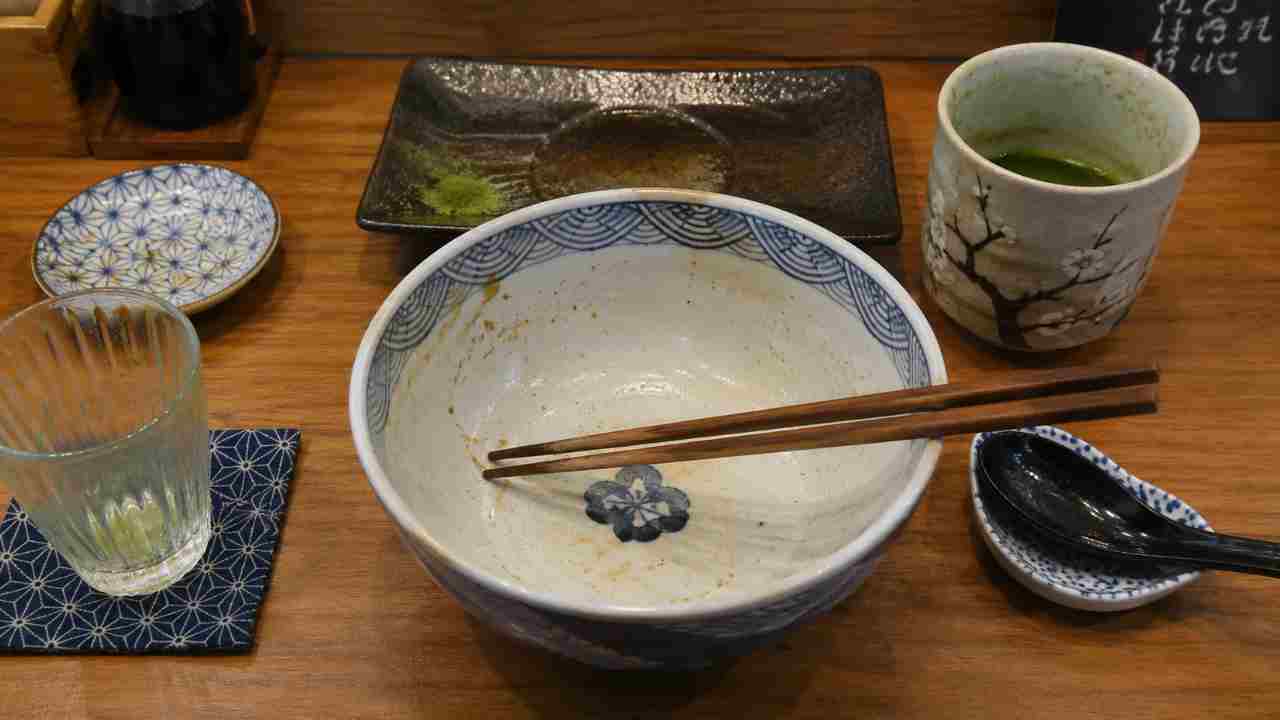
In Japan, Wasting Things Is Considered Disrespectful To Life - This Is The Philosophy Of Mottainai
minimalis.my.id - have you ever eaten food and not finished it, or bought new clothes even though your wardrobe was already full? sometimes we also think, "why is my money already gone even though it’s not the end of the month yet?" in reality, the problem is not always our income, but our wasteful habits. so on this occasion, i want to share another japanese philosophy that i plan to turn into an e-book. i have studied this philosophy myself, and in my opinion, it is very useful. what is it? it is called the "mottainai philosophy." let’s discuss it briefly and in an easy-to-understand way. what is the mottainai philosophy? the mottainai philosophy comes from japanese culture and means not being wasteful or not wasting something unnecessarily. this concept teaches people to appreciate food, belongings, time, and the resources they have. examples include finishing your meals, using items until they are truly no longer usable, and avoiding wasteful habits in everyday life. by applying mottainai, a person can live more frugally, simply, and with greater gratitude. examples of applying mottainai before and after before applying after applying benefits leaving food unfinished finishing meals completely reducing food waste and appreciating blessings more frequently buying items impulsively buying items only when needed saving money and avoiding clutter at home replacing broken items immediately repairing damaged items items last longer and reduce waste turning on lights during the day turning off unnecessary lights saving electricity bills playing games during free time creating content consistently potential to earn extra income from consistent content the relationship between mottainai and minimalism mottainai and minimalism are closely related because both teach people to live simply and avoid excess in using things. the mottainai philosophy emphasizes not being wasteful and appreciating food, belongings, and time, while minimalism teaches people to own only what they truly need. both philosophies help individuals become more organized, financially mindful, and focused on what truly matters in life. by practicing mottainai and minimalism, life can feel calmer, simpler, and more environmentally friendly. research and thoughts about mottainai according to a japanese writer in the article mottainai: the japanese philosophy of respect for things, the writer truly understood the philosophy of mottainai after living in america and witnessing a highly consumptive lifestyle. the writer remembered their grandmother often saying mottainai whenever food was wasted or usable items were thrown away. after applying this philosophy, the writer became more aware of buying only what was necessary and learned to appreciate every object because everything has value and requires effort and resources to be made. in the end, mottainai reminds us that everything has value. the food we eat comes from the hard work of many people. the items we use are created using labor and natural resources. even the time we have is precious. therefore, we should not let these things go to waste because of careless habits. that’s all for this article. if you would like to read more about other japanese philosophies, feel free to check the articles below this post. thank you for reading until the end. sources for this article: chiba, hitoshi (november 2002). "restyling japan: revival of the "mottainai" spirit" article : japaneseexcellence.org | mottainai: the japanese philosophy of respect for things youtube : wogomu | lifestyle habits that make people poor in japan | mottainai youtube : apkcreative indonesia | life concept : mottainai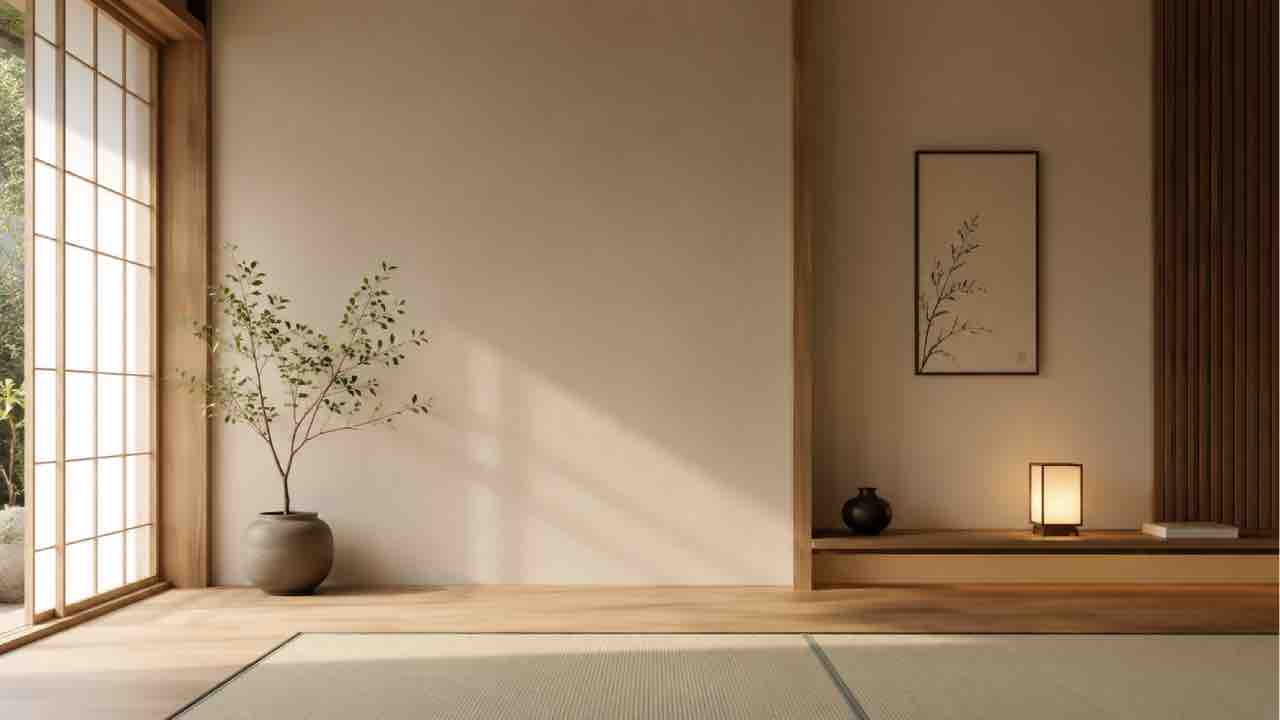
Modern Life Feels Too Full — This Japanese Philosophy Taught Me To Slow Down "ma Philosophy"
minimalis.my.id - in today’s fast-moving modern era, everything feels incredibly easy to access. if we want information, we just open the internet. if we want entertainment, we simply scroll through social media. even buying things now only takes a few clicks. everything feels practical and instant. but without realizing it, that convenience often makes life feel overly full. sometimes we buy things only because we are temporarily interested in them, and in the end, they pile up in our rooms unused. not to mention our minds being filled every day with endless news, videos, notifications, and information coming nonstop through digital distractions. it feels like there’s no empty space left just to breathe and feel calm. personally, i think modern progress brings many benefits, but anything excessive is usually not good either. too many belongings make a room feel crowded too much information makes the mind feel exhausted and too much busyness sometimes makes us forget how to enjoy life. that’s why i became interested in one japanese philosophy that feels simple yet deeply meaningful to me, the philosophy of “ma.” this philosophy teaches about empty space, pauses, and balance in life. it may sound strange because we usually think empty space is something that should always be filled. but in japanese culture, empty space is considered important. they believe not everything has to be full. sometimes, it is precisely from emptiness that we can find peace. what is the philosophy of ma? in japanese, “ma” is written with the kanji 間, which means space, pause, or interval. but its meaning goes beyond physical emptiness. the philosophy of ma is about creating space between things in life. japanese people believe silence, pauses, and emptiness have their own value. for example, in conversations, not every moment needs to be filled with endless talking. sometimes a brief silence actually makes the atmosphere feel more comfortable. the same applies to daily life. not every moment has to be packed with activities. not every corner of the house has to be filled with objects, and not every thought has to constantly keep working. the philosophy of ma teaches that empty space does not mean emptiness in a negative sense, but rather a place to breathe. why is this philosophy so relevant today? when you think about it, modern life rarely gives us time to pause. from the moment we wake up, we immediately check our phones, work while opening social media, and even at night we still think about work or responsibilities. even during rest, our minds still feel tired, right? nowadays, many people feel like they always have to stay productive. if they relax for a moment, guilt starts to appear. but humans are not machines. in my opinion, the philosophy of ma feels incredibly relevant because it reminds us that rest is also important. being silent for a moment does not mean laziness. reducing something does not mean lacking. sometimes we become so busy chasing many things that we forget to enjoy our own lives. ma in japanese life what’s really interesting is that the philosophy of ma is not just theory, but something deeply applied in japanese culture. if we look at traditional japanese homes, the designs are usually simple and not overloaded with furniture or decorations. there is a lot of empty space that makes the atmosphere feel spacious and peaceful. the closest example around us is often hotels. when we first enter a hotel room, what we feel is calmness and openness. japanese people also love using natural lighting and natural elements to make homes feel more comfortable, such as: natural sunlight entering the room a few plants placed inside the room this concept helps people inside feel more relaxed. besides architecture, the philosophy of ma can also be seen in japanese art. in japanese paintings or calligraphy, there are often empty areas intentionally left blank. those spaces are not unfinished parts, but part of the beauty itself. the same thing exists in traditional japanese music. silence between notes is considered important because it gives listeners space to feel emotions. what i learned from ma in japanese culture is that something does not always need to be crowded or full to appear beautiful. sometimes emptiness itself creates beauty and peace. modern life that feels too full compared to life today, it really feels like we live in an overly crowded world. social media constantly makes us feel like we must follow trends. we easily buy things because we are afraid of missing out. sometimes it’s not because we truly need them, but simply because we see other people having them. in the end, our rooms become full of stuff, but our hearts still feel empty. it’s not only about physical things, our minds are often overloaded too. every day there is new information, new news, new drama, and it all continuously enters our heads. without realizing it, we rarely give ourselves time to simply exist. i feel this is one reason why many people today easily become stressed, burned out, and unable to enjoy small moments in life. learning to create space from the philosophy of ma, i learned one important thing: life does not always have to be full. sometimes we need to create space. space to rest. space to stay silent. space to think. space to enjoy life without rushing. a simple example is trying to sit quietly without opening your phone for a while. enjoy the surroundings. listen to the sound of rain, wind, or the quietness of the night. at first, it may feel strange because we are so used to staying busy all the time. but eventually, we begin to realize that peace is actually very important. besides that, we can also start reducing things that are unnecessary. for example, items that only fill the room, relationships that mentally drain us, or the habit of endless scrolling without purpose. by creating space, life starts to feel lighter. the philosophy of ma and minimalism many people connect the philosophy of ma with minimalism, and honestly, i think they are closely related. minimalism does not mean living with as little as possible or being stingy toward yourself. it is more about choosing what truly matters. sometimes we keep too many things that no longer have meaningful value. eventually, the room feels crowded and the mind feels full as well. once we begin removing unnecessary things, the atmosphere suddenly feels more spacious. strangely enough, the heart also feels calmer. the same applies to life. we do not have to follow every trend. we do not always need to stay busy. we also do not need to please everyone. by reducing unimportant things, we create more room for what truly matters. the importance of pauses in life one part of the philosophy of ma that i love the most is the idea of pauses. in today’s world, pauses are often seen as something negative. but actually, pauses are where we can finally breathe. imagine if music had no pauses at all. every note would play continuously without stopping. it would only become noise. the same goes for life. if we keep moving nonstop without resting, eventually we become exhausted ourselves. a pause does not mean stopping forever. sometimes we only need to slow down for a moment so we can feel calm again. the japanese philosophy of ma teaches something simple yet deeply relevant for modern life: not everything needs to be full. in a world that keeps moving quickly, we often forget that humans also need space to breathe. empty space does not mean emptiness, but rather a place where peace can be found. through this philosophy, i learned that life is not about owning as much as possible or doing everything at once. sometimes, by reducing things, we can enjoy life more deeply. starting from reducing unnecessary belongings, reducing distractions, and giving ourselves time to stay silent for a while. because in the end, peace often comes not when life is completely full, but when we have enough space to truly enjoy every moment. so that was the philosophy of ma, something i believe is very important to learn. i hope this article can be useful for you. if you want to learn more about japanese minimalism and philosophy, you can visit aydul.com. there are many articles available there, and i’m also planning to release a japanese minimalist series book in the future. hopefully, it can happen soon. sources for this article: youtube: dan le gris | what is ma (間)? the hidden meaning behind japanese minimalism youtube: azumi uchitani | the beauty of silence: the japanese concept of ma explained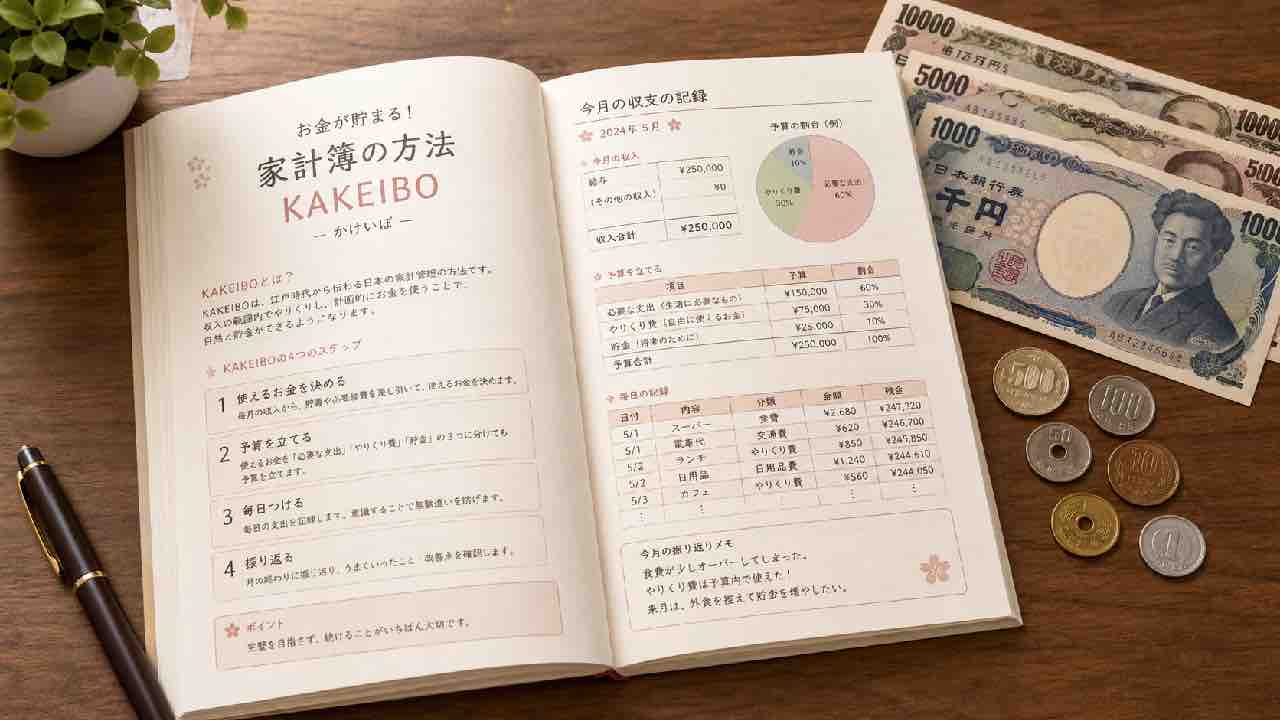
Why Are Japanese People Rarely Wasteful? It Turns Out They Have The Kakeibo Method
minimalis.my.id - hi minimalist friends, in this opportunity i want to share something related to finance. this is not about getting rich from a business, but rather about being wise with the money we already have. here, i will explain a traditional japanese financial management method called kakeibo, which is very interesting and important to discuss. one of the benefits is that your finances every month can become more organized, and you may even save more money consistently. oh yes, this article is 100% my own work and i studied the topic first before writing it. you can check the sources at the very bottom of this article. alright, let’s get straight into discussing kakeibo. about kakeibo kakeibo is a traditional japanese financial management method that was first introduced by a female journalist named hani motoko. the main purpose of this method is to help people save money and build a wiser relationship with the money they own. this method has survived for more than a century and is still maintained today because it is considered effective in helping people become more aware of their financial condition. the basic financial management system in kakeibo in this method, the income we earn is divided into several main categories, starting from income, fixed expenses, savings, and living costs. through this division, we can clearly see where our money goes every month. isn’t kakeibo very important, friends? the expenses themselves are divided into several categories such as: necessary expenses - expenses that are truly essential for daily life, such as food, transportation, electricity bills, or housing costs. wants - expenses that are not urgent, such as buying trendy items or purchasing something simply because we want it. entertainment expenses - costs used for enjoyment and relaxation, such as watching movies, hanging out, or going on vacation. unexpected expenses - sudden expenses that are not planned, such as healthcare costs or vehicle repairs. from here, we can already understand where our money is being spent. now let’s move on to the process of applying kakeibo itself. this method is quite simple to practice, and we will discuss several important points in implementing kakeibo inspired by the youtube channel agusleo halim. important points in applying kakeibo plan how much money you can use. plan how much money you will spend on needs and wants. plan how much money you will allocate for savings. plan what financial improvements you want to make next month. write financial planning manually in addition, the kakeibo method strongly emphasizes the importance of recording finances manually using a notebook. according to several studies, writing by hand can help the brain process information more deeply and wisely compared to typing on digital devices. because of this, directly recording expenses is believed to make someone more aware of their financial habits. reflection on financial spending unlike modern financial methods that only focus on numbers in digital devices, kakeibo actually “forces” its users to reflect on every type of spending. before buying something, you are encouraged to ask yourself questions such as: do i really need this item? can i truly afford it? will this purchase make me happier in the long term? this habit of reflection helps people become more disciplined and less easily tempted by impulsive and unnecessary purchases. why does kakeibo recommend using cash? the kakeibo method also encourages users to use cash when shopping. the reason is simple: when paying with physical money, people tend to feel the spending more compared to using cards or digital wallets. using cash makes the shopping process feel more real, which can help reduce excessive spending habits. honestly, this is quite true because when we use qris, bank transfers, or other digital payment methods, expenses can sometimes become difficult to control. that’s why the kakeibo method may be very useful to apply in everyday life. lastly, a message from me as the writer of this article: the kakeibo method is not just about recording finances, but also about building financial awareness slowly and consistently. by dividing expenses into clear categories, recording them manually, and reflecting on every purchase, this method helps people become wiser in using money. it is no surprise that kakeibo has survived for more than one hundred years and still remains relevant today, especially in the modern era where consumerism is becoming stronger. i hope this article about kakeibo can be useful for all of you. if you want to read more beneficial articles, you can visit my website at aydul.com. lastly, this article is also part of a pocket book or e-book that i plan to sell, related to minimalist education inspired by japanese culture. hopefully i can finish it soon, friends. please pray for me hehe. sources for this article: book: kakeibo by fumiko chiba journalist hani motoko in 1904 youtube: bbc news indonesia youtube: agusleo halim youtube: satu persen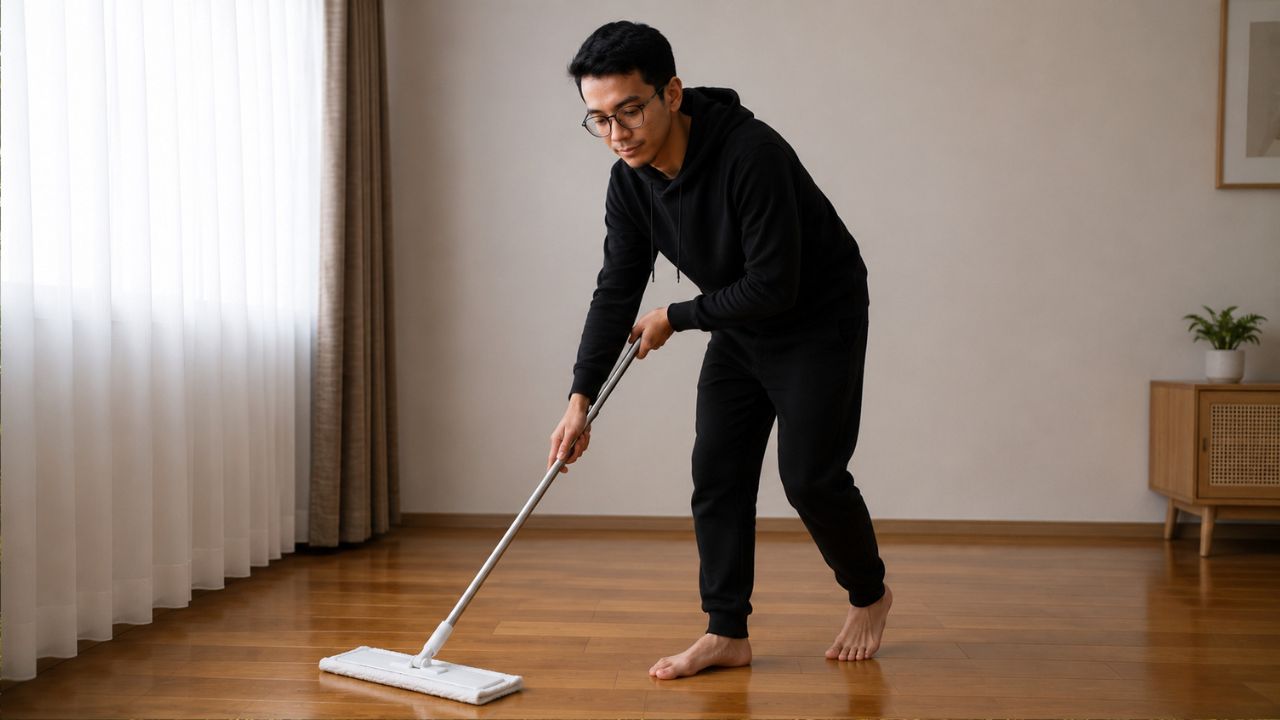
After Learning Osoji, I Finally Understand Why Japanese Homes Feel So Peaceful
minimalis.my.id - minimalist friends! i’m still continuing the discussion about the e-book i’m working on, and yes, it’s still all about japanese minimalism! this time, i want to talk about a philosophy related to total cleaning that is often practiced by japanese people, called osoji. alright, let’s jump right into it! what is osoji? after watching and learning about osoji from taigu zen’s youtube channel, i immediately thought, “oh, so this is one of the reasons why japan always looks clean and organized.” osoji itself is a traditional large-scale cleaning activity from japan that is usually done before the end of the year. the word: Ō (大) means big sōji (掃除) means cleaning how osoji is practiced osoji is commonly practiced at homes, schools, offices, places of worship, and many other places. the purpose is to cleanse ourselves from negative things and welcome the new year with a fresher, more comfortable, and more positive atmosphere. interestingly, osoji can also be connected to 3 principles from the japanese 5s philosophy. seiri (sort) - the activity of sorting items and separating things that are still needed from things that are no longer used. the main purpose of seiri is to reduce clutter so the environment feels more spacious, neat, and comfortable. by applying seiri, people can work more efficiently because they are not distracted by unnecessary items. example: organizing stationery based on type and labeling each storage drawer. seiton (set in order) - the activity of arranging items neatly and systematically so they are easy to find when needed. in this concept, every item should have a clear storage place. seiton helps save time, increase productivity, and create a more comfortable environment. example: arranging stationery based on type and labeling each drawer. seiso (shine or cleanliness) - the activity of routinely cleaning the workplace or living space to keep it clean and healthy. this concept emphasizes the importance of cleanliness in creating a comfortable atmosphere and improving motivation. seiso also helps prevent equipment damage and maintain a healthy environment. example: cleaning the work desk and sweeping the room after use. i got these 3s explanations from taigu zen’s youtube channel, and honestly, these three principles really do play a huge role in osoji. if you want to know more about the 5s philosophy, you can also check out my article: how the japanese use 5s to live a more peaceful daily life. common activities during osoji when doing osoji, japanese people usually clean the house thoroughly from top to bottom. here are some common activities usually done during osoji at home: cleaning the entire house every corner of the house is cleaned in detail, from floors, walls, ceilings, to areas that are rarely reached. washing windows and curtains windows, glass, and curtains are cleaned to make the house feel brighter and fresher. decluttering or throwing away unused items old items that are damaged or no longer used are usually thrown away or donated. cleaning the kitchen and bathroom the kitchen and bathroom become the main focus because they are used every day. reorganizing the rooms after everything is clean, the rooms are rearranged to look neater and feel more comfortable. osoji activities are usually done together with family members, creating togetherness and good teamwork. no wonder japan always looks organized and clean; you can really see how the people help and support each other. benefits we can learn from osoji lastly, osoji has many benefits in everyday life, both for environmental cleanliness and mental health. by doing osoji, homes or workplaces become cleaner, tidier, and more comfortable, allowing activities to be done with better focus and productivity. in addition, osoji can also reduce stress because an organized atmosphere helps the mind feel calmer and more relaxed. this habit also trains discipline, responsibility, and the ability to sort items that are still useful from those that are no longer needed. in japanese culture, osoji is believed to bring positive energy and become a way to start something new with a fresher and more enjoyable atmosphere. alright, that’s all for this discussion about osoji! if you found this article helpful, feel free to share it on your social media so more people can benefit from it too. you can also read other articles on aydul.com, where you’ll definitely find many more useful articles. that’s all from me, and for the references used in this article, you can check the links and book below. book: the 5s’s: five keys to a total quality environment - takashi osada source: https://youtu.be/qwxfl75kiy0?si=a3kpd-qdrwlt1e9y source: https://youtu.be/uz8edbfhpba?si=1v9chw3cnvc7pjq4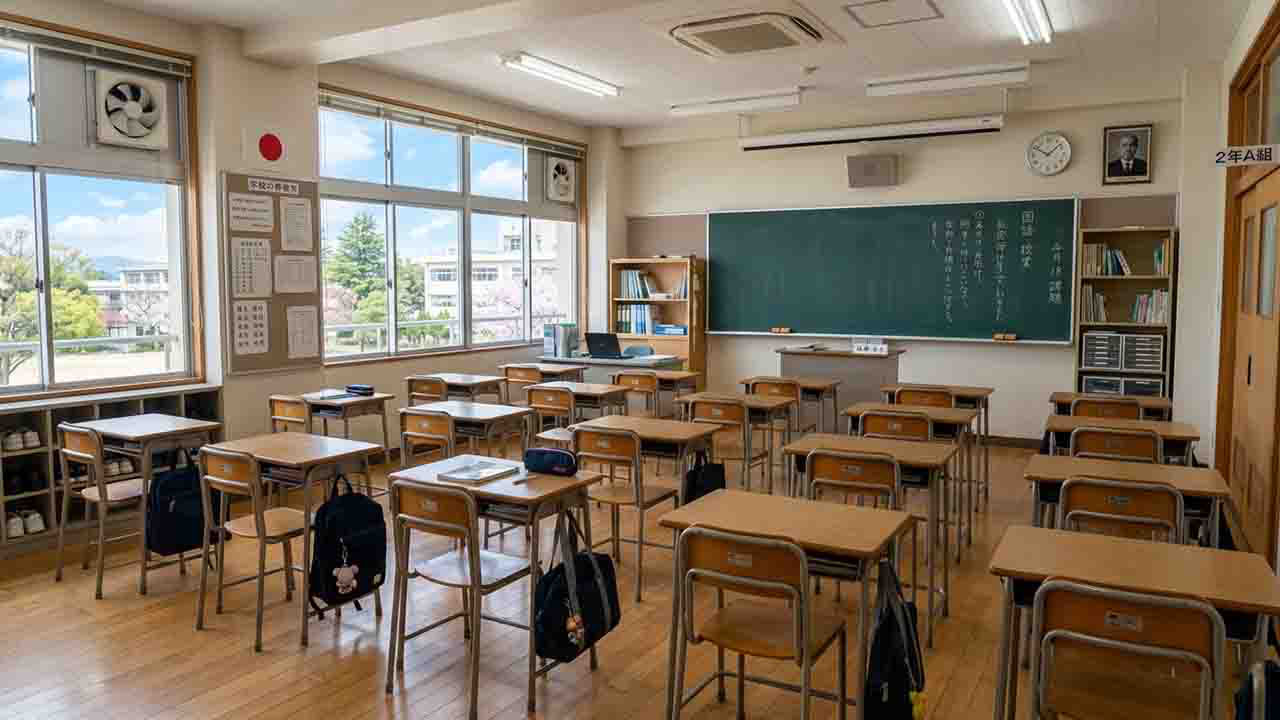
This Japanese Habit Can Make Life Feel More Peaceful: The Philosophy Of Danshari
minimalis.my.id - these days, many people feel like their lives are too full. not just full of activities, but also full of stuff, thoughts, and distractions. homes feel crowded, work desks are messy, notifications never stop, and the mind rarely feels truly calm. sometimes we buy more things hoping they will make us happier. but the more we own, the more we have to think about and take care of. without realizing it, life starts to feel exhausting. that is why the idea of minimalist living has become more popular in recent years. one well-known minimalist concept from japan is called danshari. danshari is not only about throwing things away or making your home look aesthetic. it is about learning to let go of unnecessary things so life can feel lighter and more peaceful. what is danshari? danshari is a japanese lifestyle concept that teaches people to reduce things they do not truly need. the word danshari is made up of three parts: dan means refusing unnecessary things sha means throwing away things that are no longer used ri means letting go of attachment to possessions together, danshari means learning to choose what truly matters in life and reducing the rest. this concept became popular through hideko yamashita, a japanese author who talks about the relationship between people and the things they own. image by aydul.com according to danshari, having too many things can make the mind feel heavy. a crowded home often makes people feel more stressed, less focused, and mentally tired. that is why danshari teaches that simple living does not mean living with less happiness. instead, it creates more space for a calmer and more peaceful life. why are more people interested in danshari? today, many people buy things not because they truly need them, but because of social media, discounts, or trends. sometimes we buy new clothes even though the closet is already full. we buy more decorations even though the house already feels crowded. or we buy something just because it is viral online. as a result, homes become filled with items that are rarely used. the more things we own, the more energy we need to manage them. cleaning takes longer, finding things becomes harder, and the mind feels more crowded. many people eventually realize that they do not need more stuff. what they actually need is a simpler life. this is where danshari becomes relevant. danshari is more than just throwing things away. many people think minimalism is simply about getting rid of as many things as possible. but danshari goes deeper than that. the main goal is not to create an empty house, but to create a lighter life. in this concept, we learn to understand our relationship with the things we own. for example, some people keep old clothes for years even though they never wear them anymore. others buy many things just to feel better for a short time. but the happiness from buying something usually does not last very long. danshari teaches us to ask: is this item truly useful? do i still need it? does this item add value to my life or only fill space? simple questions like these help us become more aware before keeping or buying something. benefits of practicing danshari 1. a calmer mind a messy environment can quietly make the brain feel tired. when there are too many things around us, the mind also feels crowded. that is why many people feel more comfortable in a clean and simple space. a home that is not overly full usually feels more peaceful and relaxing. 2. less stress too many possessions can become a source of small daily stress. for example: having trouble finding things feeling lazy to clean the house a work desk feeling too cramped a full closet but still not knowing what to wear small problems like these can slowly become mentally exhausting. by reducing unnecessary items, life starts to feel simpler and lighter. 3. helps you save money danshari also helps people become wiser when buying things. once you start practicing this concept, you naturally think more carefully before making purchases. it does not mean you can never shop again, but you begin learning to buy based on needs instead of temporary. this habit can reduce impulsive spending that often wastes money. 4. a cleaner and more organized home the fewer things you own, the easier it is to keep your home tidy. cleaning the room takes less time. a work desk feels more comfortable to use. closets become easier to organize. a tidy home often improves your mood as well. 5. more focus on important things too many distractions often make it hard to focus. danshari helps reduce unnecessary things so your energy can be used for what truly matters, such as: health family work learning rest life feels more organized and less exhausting. 6. how to start practicing danshari many people are interested in minimalism but do not know where to start. actually, danshari does not need to be extreme. you do not have to throw away half the items in your house immediately. start slowly and begin with a small area try starting with one simple area such as: your work desk a drawer a bookshelf your wardrobe cleaning a small area feels much easier than organizing the entire house at once. separate things you no longer use look at the things in your home and ask yourself: do i still use this? when was the last time i used it? is this item truly important? if the answer is unclear, maybe the item is no longer necessary. reduce impulsive shopping habits image by aydul.com before buying something, try waiting a few days first. sometimes after waiting, we realize we do not actually need the item. this simple habit helps us become more mindful when shopping. organize your digital space danshari is not only about physical items. phones and social media can also make the mind feel crowded. try to: delete unnecessary files reduce notifications unfollow stressful accounts organize photos and apps small actions like these can make your mind feel lighter. danshari and mental health many people do not realize that the condition of a home can affect mental health. spaces that feel too crowded often make people more stressed and restless. on the other hand, simple spaces usually feel calmer and more comfortable. that is why many people feel mentally relieved after organizing their homes and reducing unnecessary items. danshari helps create a peaceful environment where both the body and mind can rest better. danshari does not have to be perfect one of the biggest mistakes people make when trying minimalism is wanting instant perfection. some people force themselves to throw away too many things and later regret it. but danshari is not a competition about who owns the fewest items. this concept is more about understanding what truly matters in your life. if you still have favorite items or certain collections, that is completely fine. what matters is whether those things bring value or happiness instead of simply taking up space without purpose. simple living can bring more happiness many people think happiness comes from owning more things. but in reality, having too much often makes life feel heavier. too many possessions make the home feel crowded. too many distractions make the mind tired. too many desires make it difficult to feel satisfied. danshari teaches that simple living does not mean an empty life. in fact, by reducing unnecessary things, we can focus more on what truly matters. the home feels more comfortable, the mind becomes calmer, and daily life feels lighter and easier to enjoy.
Shinrin-yoku: Simplifying Life Through The Calm Of The Forest
minimalis.my.id - have you ever felt mentally exhausted even when you did not do anything physically difficult? not the kind of tiredness that comes from hard work, but the kind that quietly builds inside your mind. endless notifications, too much screen time, constant pressure, and thoughts that never seem to stop. even during rest, your brain still feels busy. this has become normal in modern life. people wake up and immediately check their phones. they spend hours staring at screens, scrolling through social media, responding to messages, and thinking about work almost all day long. over time, the mind becomes overwhelmed without us even realizing it. japan, a country known for its fast-paced lifestyle and work culture, has a surprisingly simple philosophy for dealing with this problem. it is called shinrin-yoku, or “forest bathing.” despite the name, shinrin-yoku is not about swimming or hiking deep into the wilderness. it is the practice of slowing down and reconnecting with nature through your senses. walking quietly among trees, listening to the wind, feeling sunlight on your skin, and allowing your mind to breathe again. simple as it sounds, this japanese philosophy has become popular around the world because of its calming effect on mental health and overall well-being. and in today’s noisy and stressful world, that idea feels more important than ever. what is shinrin-yoku? shinrin-yoku literally means “forest bathing” in japanese. the concept was introduced in japan during the 1980s as a response to rising stress levels caused by modern urban life. instead of treating nature as just scenery, shinrin-yoku encourages people to fully experience it. the goal is not exercise or productivity. the goal is presence. during shinrin-yoku, people usually: walk slowly through nature, listen to natural sounds, breathe deeply, observe trees and sunlight, and spend time away from digital distractions. it is less about “doing” and more about “feeling.” you do not need to climb mountains or travel to remote forests to practice it. even a quiet park, a garden, or a tree-lined street can help create the same calming experience. why nature helps the human mind modern humans spend most of their lives indoors. we move between bedrooms, offices, cars, cafes, and screens. at the same time, our brains constantly process notifications, news, advertisements, and social media content. the mind rarely gets true silence. nature creates the opposite environment. image by aydul.com instead of noise and pressure, there are softer sounds, slower movement, fresh air, and natural light. this helps the nervous system relax and allows the brain to recover from overstimulation. studies have shown that spending time in nature may help lower stress hormones, reduce anxiety, and improve mood. that is why many people feel calmer after sitting near trees, walking in a park, or simply watching the rain. nature acts like a reset button for the mind. shinrin-yoku and minimalist living many japanese philosophies share the same core idea: simplicity if: ikigai teaches people to find purpose, kaizen focuses on continuous improvement, and wabi-sabi embraces imperfection, then shinrin-yoku reminds people to reconnect with nature and slow down. modern culture often makes people feel guilty for resting. there is pressure to always stay productive, busy, and connected. shinrin-yoku offers a completely different perspective. not every moment needs to be optimized. not every second must be filled with activity. and peace does not have to be expensive. sometimes calmness comes from something as simple as walking under trees without checking your phone. that is why shinrin-yoku fits naturally with a minimalist lifestyle. the mental health benefits of shinrin-yoku 1. reduces stress this is the most well-known benefit of shinrin-yoku. spending time in nature helps slow down the body and mind naturally. breathing becomes calmer, the heart rate slows, and mental tension begins to ease. in today’s world, many people live in a constant state of overstimulation without noticing it. nature gives the brain a break. 2. improves focus and clarity the human brain was not designed to absorb endless information all day long. after too much screen time and multitasking, concentration becomes weaker. spending time in natural environments can help restore mental clarity and improve focus. this is one reason why some people enjoy walking outdoors before working or studying. 3. supports better sleep natural sunlight and fresh air can help regulate the body’s internal clock. at the same time, a calmer mind makes it easier to relax at night. many people who regularly spend time outdoors notice better sleep quality and less mental restlessness. 4. helps with emotional fatigue mental exhaustion does not always come from hard work. sometimes it comes from too much information, too many expectations, and never having time to mentally pause. shinrin-yoku creates space for stillness. no deadlines. no notifications. no pressure to perform. and that can feel incredibly refreshing. how to practice shinrin-yoku in everyday life one of the best things about shinrin-yoku is that it does not require dramatic lifestyle changes. you can start almost anywhere. walk slowly without a goal take a walk without focusing on speed, calories, or productivity. do not rush. simply notice your surroundings and allow yourself to slow down. use your senses pay attention to: the sound of birds, the movement of the wind, the smell of the air, the warmth of sunlight, and the colors around you. this helps bring your attention back to the present moment. put your phone away a major part of shinrin-yoku is reducing digital distraction. you do not need to turn your phone off completely, but try not to constantly check it while spending time outdoors. image by aydul.com sit quietly sometimes the best thing you can do is absolutely nothing. sitting under a tree or quietly observing nature for a few minutes can be surprisingly calming. why shinrin-yoku matters more today modern life has become louder, faster, and more overwhelming than ever before. people are constantly connected, constantly comparing themselves to others, and constantly consuming information. as a result, many feel mentally drained even when life appears normal on the outside. shinrin-yoku matters because it reminds people that rest is not laziness. humans were not designed to live under nonstop mental pressure. we need silence. we need stillness. we need moments where the mind can slow down. and nature provides that naturally. perhaps that is why this japanese philosophy continues to resonate with people around the world. it does not promise perfection, productivity hacks, or instant success. instead, it offers something much simpler: a chance to breathe again. you do not need to move to the countryside. you do not need expensive wellness retreats. and you do not need to completely escape modern life. sometimes all it takes is a quiet walk, fresh air, and a few moments away from the noise. because in the end, peace is often found in the simplest things we usually overlook. source : https://m.youtube.com/watch?v=54ik7i15uhk&pp=ygumc2hpbnjpbib5b2t1
Tired Of Chasing Perfection? Wabi-sabi Might Change The Way You Live
minimalis.my.id - in today’s fast-paced modern world, many people feel exhausted by the constant pressure to be perfect. social media is filled with unrealistic standards of success, beauty, productivity, and luxury. people are expected to have the perfect career, the perfect appearance, the perfect lifestyle, and the perfect home. without realizing it, this endless pursuit of perfection slowly takes away inner peace. in japan, there is a timeless philosophy that teaches the exact opposite. this philosophy is called wabi-sabi. it encourages people to embrace simplicity, appreciate imperfections, and find beauty in the natural flow of life. wabi-sabi is not just a design style or a minimalist trend. it is a way of living that helps people slow down, accept themselves, and discover happiness through simple moments. what is wabi-sabi? wabi-sabi is an ancient japanese philosophy deeply connected to zen culture and nature. the word “wabi” represents simplicity, calmness, humility, and living close to nature. meanwhile, “sabi” refers to the beauty that comes with age, time, wear, and imperfection. together, wabi-sabi can be understood as the art of appreciating imperfect, simple, and temporary things. this philosophy teaches three important truths: nothing lasts forever. nothing is perfect. nothing is ever truly complete. in modern society, people constantly chase perfection and forget to enjoy life itself. wabi-sabi reminds us that simplicity can also be beautiful. finding beauty in imperfection image by aydul.com one of the core ideas of wabi-sabi is accepting imperfection. modern culture often teaches people to hide flaws and pursue flawless results. however, wabi-sabi sees imperfections as something meaningful and beautiful. imagine an old ceramic cup with small cracks on its surface. in many places, such an object would immediately be thrown away. but in japanese culture, those imperfections are often appreciated because they tell a story. there is a japanese art called kintsugi, where broken pottery is repaired using gold. instead of hiding the cracks, the cracks become the most beautiful part of the object. this philosophy symbolizes human life as well. every person carries scars, failures, mistakes, and painful experiences. instead of seeing those things as weaknesses, wabi-sabi teaches us to accept them as part of our journey. imperfections are what make people unique and real. wabi-sabi and minimalist living wabi-sabi is often connected with minimalist living because both emphasize simplicity. however, wabi-sabi goes deeper than simply owning fewer things. modern minimalism usually focuses on reducing clutter and living more efficiently. wabi-sabi, on the other hand, focuses on emotional connection, mindfulness, and appreciating the beauty of ordinary life. a wabi-sabi home does not need to look luxurious. a simple, comfortable, peaceful space is already enough. some characteristics of a wabi-sabi lifestyle include: using only what is necessary appreciating old objects with meaning choosing natural colors and materials enjoying quiet spaces and empty areas avoiding excessive decoration prioritizing comfort over luxury this philosophy teaches people to feel satisfied with what they already have. when someone stops chasing perfection and begins enjoying simplicity, life feels lighter and more peaceful. learning to enjoy the process in modern life, people are often obsessed with results. everyone wants quick success, instant happiness, fast achievements, and rapid growth. as a result, the process itself is often ignored. wabi-sabi teaches that the process is just as important as the destination. nature becomes one of the greatest examples of this philosophy. leaves slowly changing color, wood aging over time, and weathered walls all show how time creates beauty naturally. not everything has to remain new forever. the same applies to human life. people do not need to become perfect immediately. every failure, every challenge, and every experience contributes to personal growth. when we begin to appreciate the process, life becomes calmer. we stop rushing. we stop comparing ourselves to others. and we start living at our own pace. letting go of excessive desires one reason many people feel unhappy today is because they constantly feel that they are lacking something. after buying one thing, another desire appears. after reaching one goal, a bigger goal replaces it. wabi-sabi teaches the beauty of enough. this does not mean people should stop dreaming or growing. instead, it means happiness should not depend entirely on material possessions or external validation. simple moments can become deeply meaningful. drinking warm tea on a rainy afternoon. reading a book quietly. listening to birds in the morning. watching the sunset. feeling the breeze. in japanese philosophy, peace is often found in small moments that people usually ignore. applying wabi-sabi in daily life image by aydul.com wabi-sabi is not difficult to practice. in fact, it can begin with small daily habits. create a simple and peaceful space a home does not need expensive furniture or luxurious decorations. start by keeping only things that truly matter. a clean and simple environment helps the mind feel calmer. too much clutter often creates mental stress without us realizing it. stop comparing yourself to others every person has a different journey. wabi-sabi reminds us that nobody’s life is perfect. instead of comparing yourself to other people’s achievements, focus on your own growth and progress. enjoy small moment many people are too busy chasing the future that they forget to enjoy today. try appreciating simple experiences like: simple moments often create the deepest sense of peace. accept yourself not everything in life will go according to plan. some days are beautiful. some days are difficult. wabi-sabi teaches that humans do not need to be perfect all the time. mistakes and failures are natural parts of life. self-acceptance brings inner peace. wabi-sabi and mental health in the digital era, people are under constant pressure to stay productive and successful. this pressure often leads to stress, anxiety, burnout, and overthinking. wabi-sabi offers a healthier perspective. when people accept that life is naturally imperfect, they begin to feel less burdened. they no longer force themselves to appear perfect in front of others. wabi-sabi also encourages mindfulness, which means being fully present in the current moment. when someone truly pays attention to the present instead of constantly worrying about the future, the mind becomes calmer. many people search for extraordinary happiness while overlooking the beauty of ordinary life. the role of nature in wabi-sabi nature plays a very important role in japanese philosophy. wabi-sabi sees beauty in natural change. falling leaves, dry branches, cloudy skies, and gentle rain are all considered beautiful because they reflect the temporary nature of life. that is why wabi-sabi interiors often include natural elements such as: these elements create warmth, calmness, and comfort. unlike modern lifestyles that are often noisy and overwhelming, wabi-sabi encourages people to reconnect with nature and simplicity. why wabi-sabi matters today although wabi-sabi comes from ancient japanese culture, its message feels even more relevant in modern society. many people are becoming tired of consumerism, unrealistic expectations, and endless competition. they want a life that feels calmer, simpler, and more meaningful. wabi-sabi offers a gentle reminder: this philosophy teaches that life is not about becoming the most perfect person. it is about learning how to appreciate the journey. wabi-sabi is a philosophy that teaches people to embrace life exactly as it is. in a world obsessed with perfection, wabi-sabi reminds us that imperfections also contain beauty. through simplicity, self-acceptance, and mindfulness, people can create a calmer and more meaningful life. we do not need to own everything to feel happy. sometimes true happiness appears when we begin appreciating the small and simple moments around us. wabi-sabi is not about living a perfect life. it is about living an honest, peaceful, and meaningful one. because in the end, true beauty is often found in things that are simple, imperfect, and real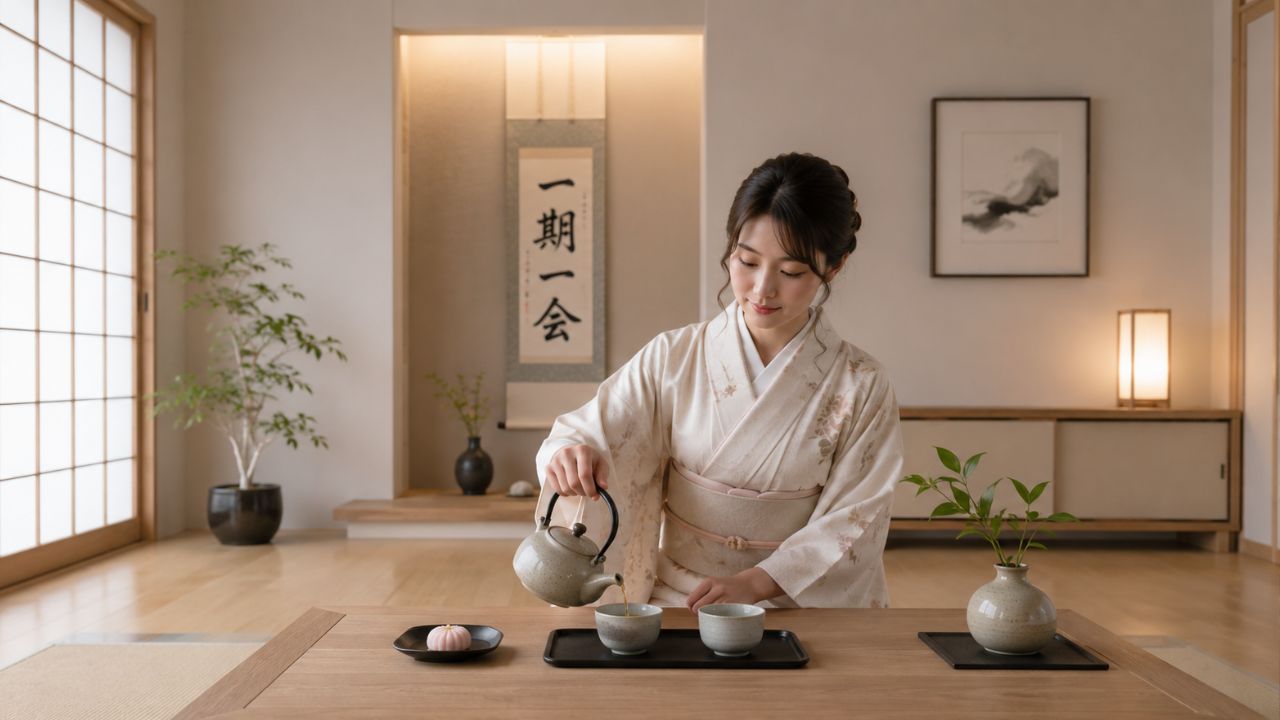
How The Japanese Use 5s To Live A More Peaceful Daily Life
minimalis.my.id - minimalism is not just about having an aesthetic white room or owning only a few items. it is a lifestyle that helps people focus on what truly matters. in today’s fast-paced world filled with distractions, living simply has become more relevant because it can reduce stress, improve focus, and create a more organized life. one concept that closely relates to minimalism is japan’s 5s principle. originally, this method was used in factories and workplaces to create clean, efficient, and productive environments. over time, people realized that the 5s philosophy can also be applied to daily life. the 5s principles consist of seiri, seiton, seiso, seiketsu, and shitsuke. together, these ideas teach people how to organize belongings, maintain cleanliness, build consistency, and develop discipline. when practiced regularly, life can feel lighter, homes become more comfortable, and the mind feels calmer. seiri: remove what you no longer need seiri means sorting through your belongings and separating what is truly necessary from what only takes up space. in minimalism, seiri is one of the most important first steps because many people live surrounded by items they no longer use. people often keep things for emotional reasons, because they think they might need them someday, or simply because they forget they even own them. as a result, homes become cluttered, workspaces feel messy, and the mind feels overwhelmed. the more things you own, the more energy you need to maintain and organize them. applying seiri in everyday life can start with something simple, such as going through your closet and deciding which clothes you actually wear. if you have not used something for more than a year, there is a good chance you no longer need it. the same principle can be applied to documents, kitchen tools, cosmetics, and even digital files on your phone or computer. many people do not realize that unused photos, apps, and files can also create “visual noise” that affects focus. simple ways to practice seiri in daily life: separate items you frequently use from those you never touch donate items that are still in good condition throw away broken items you no longer need reduce impulsive shopping habits organize digital files and remove unused apps seiri teaches that letting go does not mean losing something. instead, it means choosing what truly adds value and happiness to your life. items you no longer need can be donated, sold, or recycled so they can still benefit someone else. besides creating more physical space, seiri also helps people become more aware of their consumption habits. once you get used to living with fewer things, the desire to buy unnecessary items usually decreases. in modern life, people often buy things not because they need them, but because of trends, discounts, or social media influence. homes become full, yet people still feel unsatisfied. seiri helps break this cycle by encouraging intentional living. another benefit of seiri is saving time and energy. with fewer possessions, you spend less time searching for things, cleaning your home, or organizing storage spaces. mentally, seiri can create a sense of peace. a clean and uncluttered environment makes it easier to focus and feel calm. studies have shown that cluttered spaces can increase stress and reduce productivity. ultimately, seiri is not just about cleaning your house. it is about removing things that no longer add value to your life, whether they are physical items, unhealthy habits, or even overwhelming schedules. seiton: organize everything for a more efficient life after removing unnecessary items through seiri, the next step is seiton. seiton means arranging things neatly so they are easy to find, use, and return to their proper place. in daily life, people waste a surprising amount of time searching for lost items. keys, chargers, important documents, and work tools often disappear simply because they do not have a designated place. seiton teaches that every item should have its own “home.” when everything has a clear place, daily activities become easier and more efficient. you can start practicing seiton with small areas such as your desk. keep stationery in one container, organize cables neatly, and store important documents in labeled folders. small changes like these can make your workspace feel cleaner and more comfortable. in the kitchen, seiton can be applied by arranging tools based on how often they are used. frequently used items should be placed within easy reach. this saves time and makes cooking more enjoyable. in a minimalist lifestyle, seiton creates spaces that are not only visually clean but also more comfortable to live in. a well-organized environment makes it easier to focus and reduces mental fatigue. easy ways to apply seiton: create a dedicated spot for keys and wallets use labels on storage boxes organize clothes by type or color arrange cables neatly sort digital files into clear folders this principle can also be applied digitally. a messy desktop, overflowing email inbox, or poorly named files can make work more stressful than necessary. organizing digital spaces improves efficiency and saves time. one of the main ideas behind seiton is accessibility. the things you need should be easy to find without having to search through multiple places. seiton also reduces small daily frustrations. not panicking while looking for your wallet before leaving the house may seem simple, but it can greatly improve your mood. many people think organization requires a large home or expensive furniture. in reality, seiton is about structure, not luxury. even a small space can feel comfortable when it is organized properly. in the long run, seiton helps build discipline and responsibility. returning items to their proper place becomes a habit that supports a calmer and more efficient lifestyle. seiso: cleanliness creates peace of mind seiso means cleaning and maintaining cleanliness regularly. in the 5s philosophy, cleanliness is not only about appearance but also about caring for your environment and yourself. many people only clean when their home becomes extremely messy. seiso encourages maintaining cleanliness consistently so the environment remains healthy and comfortable. in minimalism, cleanliness plays a major role because a clean environment supports mental clarity. dusty rooms, cluttered desks, or messy bedrooms can negatively affect mood without people realizing it. practicing seiso does not require major cleaning sessions. small habits such as making your bed, washing dishes after eating, or sweeping the floor daily are already part of this principle. when cleanliness is maintained regularly, housework feels lighter because dirt and clutter do not pile up. seiso also encourages awareness. while cleaning, people become more aware of broken items, areas that need repair, or habits that create unnecessary mess. in japanese culture, cleaning is not considered a low-level task. it is seen as part of discipline and respect for shared spaces. that is why many schools in japan teach students to clean their own classrooms. simple seiso habits for daily life: make your bed every morning clean your desk before sleeping wash dishes immediately after meals sweep or vacuum regularly delete unnecessary emails and files seiso can also be applied mentally and digitally. reducing exposure to negative content, limiting screen time, or taking breaks from social media are forms of maintaining mental cleanliness. in today’s digital world, people often feel mentally exhausted because of information overload. keeping your mind “clean” is just as important as cleaning your home. a clean environment also supports better health by reducing allergies, dust, and other health risks. additionally, people usually feel more comfortable and productive in clean spaces. interestingly, cleaning itself can become a calming activity. sweeping, organizing, or wiping surfaces can help people feel more present and relaxed. seiso reminds us that happiness does not always come from buying new things. sometimes, peace comes from living in a clean, simple, and well-maintained environment. seiketsu: maintain consistency and healthy systems after sorting, organizing, and cleaning, the next principle is seiketsu. seiketsu means maintaining standards and consistency so the positive changes you create can last. many people successfully clean and organize their homes, only to see everything become messy again a few days later. this usually happens because there is no consistent system or routine in place. seiketsu teaches that lasting change comes from maintaining simple routines consistently. in minimalism, consistency is more important than occasional dramatic changes. spending fifteen minutes tidying up every evening is often more effective than doing a massive cleanup once a month. you can start practicing seiketsu by creating small daily rules, such as returning items after using them, washing dishes immediately, or cleaning your desk before bed. these simple habits help maintain order without requiring too much effort. helpful ways to practice seiketsu: create a weekly cleaning schedule set a daily time for tidying up use reminders or checklists limit unnecessary items entering the house encourage family members to maintain organization together seiketsu is also connected to visual consistency. labels, storage containers, and schedules can help make routines easier to follow. the same principle can be applied to lifestyle habits, such as maintaining healthy sleep routines, organizing work schedules, or creating a balanced morning routine. one of the biggest challenges in seiketsu is procrastination. that is why it is important to build systems that are realistic and easy to maintain. minimalism does not require perfection. the goal is to create a lifestyle that feels lighter and easier to manage. in the long term, seiketsu creates stability and comfort. organized environments reduce mental stress and improve quality of life. shitsuke: discipline and habits for a better life shitsuke is the final principle of the japanese 5s method and refers to discipline and habit-building. once systems are created, shitsuke ensures that the previous principles continue to work over time. many people want to live a simpler and more organized life but struggle to maintain it. usually, the issue is not lack of ability but lack of discipline. shitsuke teaches that order and simplicity are built through repeated habits. discipline does not mean living a rigid life. instead, it means consistently doing things that improve your quality of life. you can begin practicing shitsuke with small actions, such as making your bed every morning, returning items after use, or spending a few minutes each day cleaning your space. over time, these habits become automatic rather than feeling like chores. in minimalism, shitsuke helps people become more intentional with their lifestyle. impulsive shopping, procrastination, and clutter slowly decrease through consistent self-discipline. simple habits that support shitsuke: create morning and evening routines reduce procrastination habits always return items after using them set monthly spending limits reflect on your habits every week japanese culture strongly values discipline in everyday life, from respecting time to maintaining public cleanliness. this mindset is one reason why the 5s method works so effectively beyond workplaces. shitsuke not only creates cleaner spaces but also builds stronger personal character. people who practice discipline often become more focused, responsible, and organized. interestingly, discipline can actually create freedom. when life is organized, people have more time, energy, and mental space to focus on what truly matters. shitsuke also teaches patience. real change does not happen overnight. a better lifestyle is built through small actions repeated consistently. minimalism is not about having a perfect home or owning almost nothing. it is about creating a life that feels calmer, more intentional, and more meaningful. when combined with seiri, seiton, seiso, and seiketsu, shitsuke helps create a lifestyle that feels lighter and more balanced. in the end, japan’s 5s principles are not just about organizing your home. they are a philosophy for living a simpler, healthier, and more mindful life in an increasingly busy world.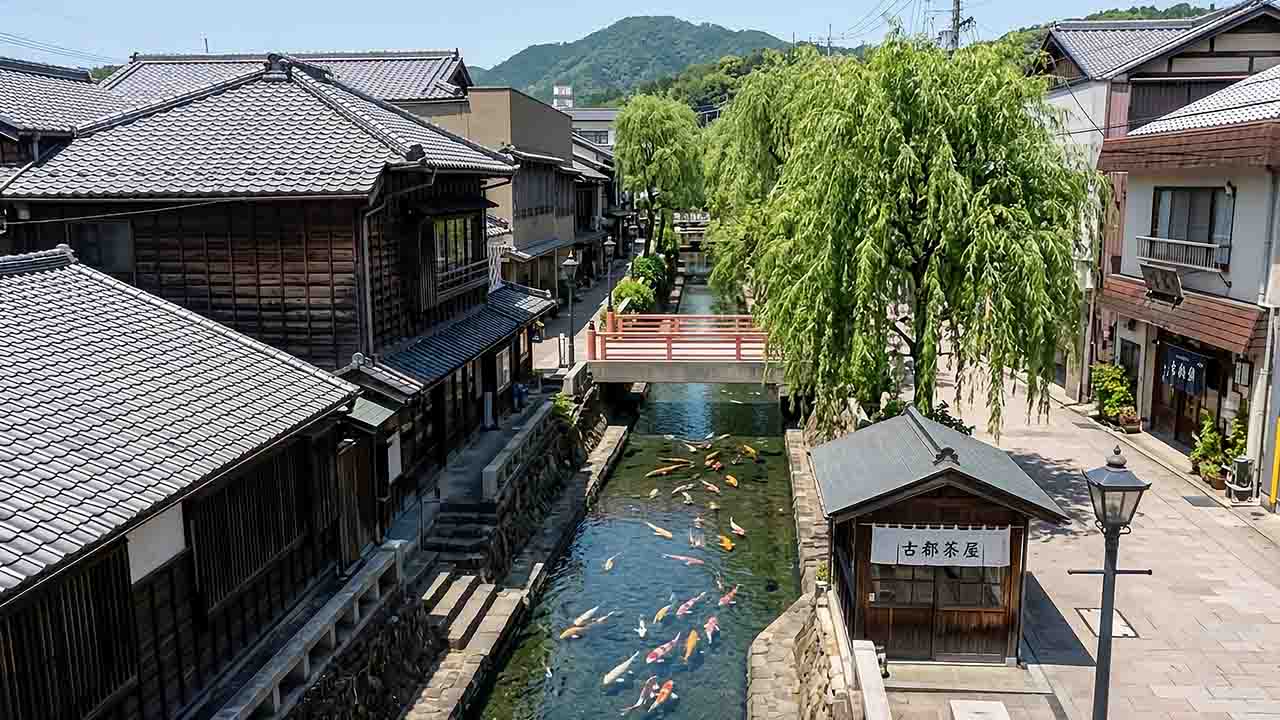
Why Japan Is Always Clean And Disciplined: It’s Taught From An Early Age
minimalis.my.id - japan often draws global attention for its citizens' extraordinary level of tidiness, discipline, and sense of responsibility. from litter-free streets, punctual public transportation, to orderly queues, all reflect a deeply ingrained value system. many people ask: how can japanese society consistently develop such character traits? the answer, it turns out, isn't instantaneous or quick. all of this is formed from childhood through education, environment, and daily habits. it's these habits that the author is very interested in discussing. this article will explore in depth the factors that shape japan's culture of tidiness and discipline, using an approach based on real-life experiences, social observations, and educational principles that can be traced and understood rationally. let's get straight to the point. 1. character education starts at an early age in japan, education is not solely focused on academics. the primary emphasis is on character development from an early age. children are taught essential values such as: responsibility cooperation respect self-discipline interestingly, the concept of moral education (dōtoku) is an official part of the school curriculum. children are not only told what is right or wrong but are also guided to understand why certain behaviors matter to society. for example, children are taught that littering is not just wrong it harms others and creates shared discomfort. this approach builds empathy rather than mere obedience. in the long term, this has a significant impact, which is one of the reasons japan is known as one of the cleanest countries in the world. 2. no janitors in schools image by aydul.com - gemini ai one of the most memorable practices in japan is that students clean their own schools. this activity is called osoji. every day, students: sweep classrooms mop floors clean toilets wipe desks and windows interestingly, there are no dedicated janitors for these tasks in most public schools. teachers also participate not as supervisors, but as role models. through this practice, children learn: to respect their environment not to depend on others that cleanliness is a shared responsibility the long-term effect is powerful. as adults, they naturally maintain cleanliness wherever they go even in public spaces without supervision. this is one of the reasons japan has become a global inspiration for cleanliness and minimalism. 3. a strong culture of shame one key factor behind japan’s discipline is its strong culture of shame. from a young age, children are taught to consider how their actions affect others. they are not only taught what is right or wrong but also how to maintain the comfort and feelings of people around them. for instance, if a child creates a mess in public, the feeling of shame doesn’t only come from being scolded, but from the awareness that their actions disturb others. this creates a habit of behaving properly in public spaces. unlike fear-based discipline, social control in japan largely comes from within. children grow up understanding that they are part of a community, and maintaining order is a shared responsibility. 4. leading by example from adults children learn not only from what they are told, but from what they see. in japan, adults set clear and consistent examples in daily life. parents, teachers, and society demonstrate discipline through actions such as: being punctual disposing of trash properly queuing in an orderly manner because children observe this consistently, they see it as the normal standard of behavior. there is no contradiction between what is taught and what is practiced. this is what makes character education in japan highly effective. discipline is not seen as an obligation, but as a natural part of life. 5. respecting time from an early age image by aydul.com - gemini ai in japan, time is highly valued. children are taught punctuality from a very young age, whether it’s arriving at school, attending activities, or completing tasks. being late is seen as both a lack of discipline and a sign of disrespect toward others. therefore, children are trained to manage their time well. even daily routines such as lunchtime or class transitions are strictly scheduled. this habit builds individuals who are efficient and responsible with their time. 6. practicing independence in daily life japanese children are encouraged to be independent from an early age. many are used to going to school on their own, using public transportation, and managing their personal needs without heavy reliance on parents. this independence builds responsibility and self-confidence. children learn to face real-life situations, make decisions, and understand the consequences of their actions. they are also taught not to depend excessively on others. this creates individuals who are not only disciplined but also resilient and adaptable. 7. an education system that prioritizes values over academics unlike many countries that focus heavily on academic achievement, japan’s education system places strong emphasis on character building. in schools, students don’t just learn math or language, they also learn values such as cooperation, responsibility, respect. group activities are a key part of the learning process. through teamwork, students learn to appreciate others and contribute collectively. they are taught that success is not only about individual achievement, but also about how well they work with others. 8. discipline in small things what makes japan appear so orderly is not necessarily strict major rules, but consistency in small habits. for example: sorting trash properly taking off shoes before entering rooms maintaining public facilities these may seem like small actions, but when practiced consistently by an entire society, the impact becomes significant. children are trained to do these small things every day. over time, these habits become part of their identity. 9. a strong sense of environmental responsibility from a young age, japanese children are taught that the environment is a shared responsibility. they don’t see cleanliness as someone else’s job, but as a personal duty. this is reflected in habits like taking their trash home if they cannot find a bin. they avoid littering because they understand that even small actions have an impact on the environment. this awareness is one of the reasons why japan remains clean, even though public trash bins are relatively limited. 10. moral education as part of the curriculum in japan, moral education is not just theoretical, it is a structured part of the school curriculum. there are dedicated sessions where students learn about ethics, empathy, and life values. these lessons are often delivered through storytelling, discussions, and reflection. the goal is not only for students to understand moral concepts but also to apply them in daily life. with this approach, children don’t just know what is right, they understand why it is right. the cleanliness and discipline of japanese society are not built instantly. they are the result of a long process that begins in early childhood. from character education and daily cleaning habits to the consistent reinforcement of responsibility and respect, everything is taught and practiced continuously. children are not only given theories, they are trained to apply them every day. this is what makes discipline in japan not just a set of rules, but a living culture embedded in society. if other countries want to replicate this success, the key is not strict regulations, but consistency in building habits from an early age.
The Overlooked Key To Success: Consistency, Patience, And Focus
minimalis.my.id - building a business or managing your finances does not have to feel overwhelming. many people think success comes from big moves, fast growth, and doing many things at once. in reality, it often comes from something much simpler. small actions, done consistently, with a clear and focused mindset. this article is about a minimalist approach to business and money. it is about staying consistent even when progress feels small, keeping things simple instead of complicated, being patient through the process, and committing to one path instead of constantly starting over. if you want to grow without constant stress, this perspective can help you build something stable, practical, and sustainable over time. consistency matters minimalism in business and personal finance is not about doing less for the sake of it, but about doing the right things repeatedly. consistency is at the core of this approach. without it, even the best plans lose direction. many people focus too much on big results, when success is usually built from small actions done every day. being consistent means continuing to move forward, even if the steps are small. you do not need perfect timing or ideal conditions. progress often comes from simple routines that are done without distraction. in a minimalist mindset, this means cutting out noise and focusing only on what truly matters. when running a business or managing money, people often try to do too many things at once. this spreads energy thin and leads to weak results. consistency simplifies everything. by repeating the same core actions, you begin to build a stable rhythm. simple habits like tracking expenses, maintaining service quality, or completing daily tasks are powerful examples of consistency. they may seem small, but over time they create real impact. minimalism teaches that you do not need big moves to grow, just small steps that never stop. consistency also reduces mental pressure. when routines are clear, you spend less time making decisions. your mind becomes calmer and more focused. instead of chasing quick wins that may not last, a consistent approach creates stability. in the end, consistency is a long-term commitment to the process. you do not need to be fast, you just need to keep going. in a world that pushes instant results, the ability to stay consistent is rare but extremely valuable. learn from apple creators simplicity is progress one of the strongest principles in minimalism is simplicity. in business, simplicity does not mean limitation, it means focus. many failures happen because people try to do too much at once. too many products, too many strategies, and too many directions lead to confusion and weak execution. a simple approach helps you filter what truly matters. instead of doing everything, you focus on what creates the biggest impact. this makes your process more efficient and easier to manage. it also makes your business clearer for customers to understand. here are some simple ways to keep your business and finances minimal and focused: focus on one main product or service use systems that are easy to understand remove activities that do not give clear results prioritize quality over quantity with this approach, your energy is not wasted. everything becomes more directed, and results are easier to track. minimalism in business is not about reducing potential, but about removing what is unnecessary. simplicity also speeds up decision making. when there are fewer choices, thinking becomes clearer. this helps reduce stress, especially in uncertain situations. another advantage is flexibility. simple systems are easier to fix and adjust. when problems happen, you can quickly find the cause and improve it. complex systems often slow you down and create more confusion. simplicity is a sign of maturity in business. it is not about looking impressive, but about being effective. over time, this approach creates stability, steady growth, and a calmer mindset. stay patient and keep going patience is one of the most overlooked factors in business and finance. many people want fast results but are not ready for a long process. minimalism teaches you to accept the process without putting too much pressure on outcomes. being patient does not mean doing nothing. it means continuing to take action even when results are not visible yet. in a minimalist approach, the focus is not only on the end goal, but also on the daily process. when the process is done right, results will follow. stress often comes from expectations that are too high. people want big changes in a short time. when that does not happen, frustration builds. a minimalist mindset keeps expectations realistic and focuses on small, steady progress. here are a few simple ways to stay patient and consistent: focus on what you can do today set small and realistic goals appreciate even the smallest progress avoid comparing yourself to others this approach helps keep your mind stable. when you are not only chasing big results, the journey feels lighter and more manageable. patience also creates space to learn. every step in the process offers lessons. when you are not rushing, you have time to understand what works and what needs improvement. it also builds mental strength. in business, things do not always go as planned. there are ups and downs. patience helps you stay steady and think clearly during difficult times. in the end, patience is not just a mindset, it is a strategy. by staying consistent and not rushing, you allow your business and finances to grow in a more stable and less stressful way. do not leave the business you started minimalism in business also means staying focused on one direction. constantly switching from one business to another slows down progress. every new start brings you back to zero. this wastes energy and makes it harder to see real results. staying committed to one business gives you time to grow deeply. you begin to understand the market, recognize customer needs, and discover what works best. this kind of insight only comes with time and focus. many people quit not because the business has no potential, but because they do not stay long enough. they think the problem is the idea, when in reality the process has not been fully developed. focusing on one business also helps manage your energy. you do not need to divide your attention. everything is directed toward one clear goal. this makes the process simpler and easier to control. evaluation is still important, but it does not mean you have to quit. improvements can be made without starting over. in a minimalist approach, changes are gradual, not drastic. sticking with one business also builds resilience. you learn how to face challenges instead of avoiding them. this experience becomes a strong foundation for long-term growth. in the end, success is not about trying many things, but about maximizing one opportunity. with focus, patience, and consistency, even a small business can grow into something meaningful without unnecessary stress.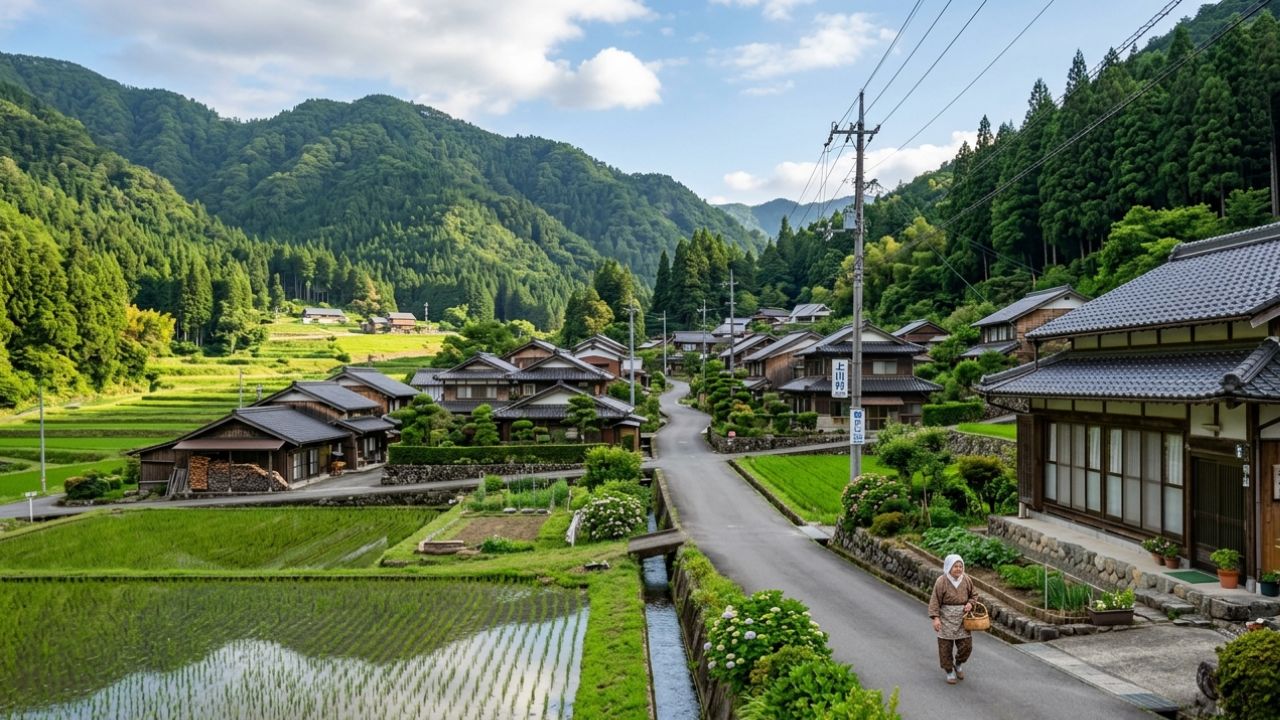
Why Is Japan Always So Clean And Organized? Minimalist Tips From Japanese People
minimalis.my.id - have you ever wondered why japan always looks so clean, calm, and perfectly organized—even in busy public places? streets are spotless, homes feel peaceful, and everything seems to run smoothly without chaos. surprisingly, it’s not because of expensive systems or strict rules alone. it comes down to simple daily habits and a minimalist mindset that anyone can learn. the best part? you don’t need to live in japan to start applying these habits in your own life. 1. discipline and responsibility start at an early age one of the main reasons japan is so clean and organized is because discipline is taught from a very young age. in japan, education is not only about academic success but also about building strong character, especially responsibility and respect for the environment. in schools, students clean their own classrooms, hallways, and even bathrooms. there are no janitors responsible for daily cleaning. instead, children are taught that keeping their environment clean is part of their duty. this practice helps them develop a strong sense of ownership and awareness. as they grow older, this mindset becomes a natural part of their daily life. they carry these habits into adulthood, whether at home, at work, or in public spaces. cleanliness is not seen as a chore, but as a shared responsibility. japanese people also have a deep respect for others. they understand that a clean and organized space creates comfort for everyone, not just themselves. this is why public places like trains, parks, and streets remain clean even when there are very few trash bins. discipline is also reflected in other areas, such as punctuality, orderly lines, and following rules. these habits work together to create a structured and harmonious society. the key takeaway here is simple: start small and stay consistent. building habits like cleaning up after yourself or organizing your space daily can make a big difference over time. 2. minimalism: living with only what you need japanese people are well known for their minimalist lifestyle. instead of measuring happiness by how many things they own, they focus on the value and function of each item. homes in japan are often small, which encourages people to be more selective about what they keep. every item must serve a purpose. if something is no longer useful or meaningful, it is usually removed. this approach creates a clean and open living space. without unnecessary clutter, homes feel more peaceful and easier to maintain. a simple environment also helps clear the mind, making it easier to focus and relax. another important habit is regularly reviewing belongings. people often check what they own and decide what is still needed. items that are no longer used may be donated or discarded responsibly. minimalism also affects how people shop. instead of buying things impulsively, they choose quality over quantity. they prefer items that last longer and truly add value to their lives. if you want to try this lifestyle, start by reducing unnecessary items in your space. you don’t have to do it all at once. take small steps, and over time, you’ll notice how much lighter and more organized your life feels. 3. clean a little, but do it every day another key habit in japan is cleaning regularly in small amounts. instead of waiting for things to get messy, people clean a little every day. for example, after cooking, they clean the kitchen right away. after using something, they return it to its place. these small actions prevent clutter from building up. daily habits like wiping surfaces, sweeping the floor, or organizing items may seem simple, but they have a powerful effect. the home stays clean all the time without needing long, exhausting cleaning sessions. this habit also supports better health. a clean environment reduces dust, germs, and stress. mentally, a tidy space helps people feel calmer and more focused. to start, you can set aside 10–15 minutes each day for cleaning. focus on one small area at a time. the goal is not perfection, but consistency. over time, these small efforts will become part of your routine. you’ll notice that keeping your space clean becomes easier and more natural. 4. smart use of space: functional and efficient living space in japan is often limited, especially in big cities. however, this limitation has led to very smart and creative use of space. furniture is often designed to serve multiple purposes. beds can be folded, tables can be stored away, and storage units are built with hidden compartments. this makes it easier to keep spaces neat and flexible. vertical storage is also commonly used. walls are used for shelves or hooks, which helps save floor space. this creates a more open and organized feel, even in small homes. good space management also makes daily life more efficient. when everything has its own place, it is easier to find and return items. this reduces stress and saves time. to apply this idea, you can start by organizing your space more thoughtfully. use storage boxes, shelves, or multifunctional furniture. avoid piling things up without a system. with better space management, even a small area can feel comfortable, clean, and well-organized. 5. a simple mindset: focusing on quality of life at the core of japan’s cleanliness and organization is a simple but powerful mindset. people focus more on quality of life rather than owning many things. they value calmness, balance, and simplicity. instead of chasing trends or material possessions, they aim for a peaceful and meaningful life. this mindset helps them feel satisfied with what they have. by living with enough—not too much they reduce stress and create a more balanced lifestyle. a japanese resident once said, “living simply helps us feel content more easily.” this reflects a way of thinking that prioritizes inner peace over external excess. with this mindset, life becomes lighter and more intentional. people spend less time worrying about unnecessary things and more time enjoying what truly matters. minimalism is not just about reducing physical items. it is also about simplifying your thoughts, priorities, and daily habits. when you do that, a clean and organized life will naturally follow.
You Won’t Believe It! Living Healthy Is Actually This Easy | No Hassle, No High Cost
minimalis.my.id - living a healthy life doesn’t have to be expensive, complicated, or overwhelming. a minimalist approach focuses on simple, consistent habits that bring real benefits to your body and mind. instead of chasing perfection, it’s about doing small things every day with intention. here are four practical and easy ways to stay healthy using a minimalist lifestyle. make time for daily exercise exercise is often seen as something that requires a gym membership, special equipment, or a lot of free time. in reality, a minimalist approach to fitness is much simpler. the goal is not intensity, but consistency. moving your body every day, even in small ways, can have a huge impact on your overall health. you don’t need to spend hours working out. a short walk, light stretching, or a quick home workout is enough to get started. activities like cleaning your house, taking the stairs, or riding a bike also count as physical exercise. the idea is to stay active, not perfect. our bodies are designed to move. sitting for long periods can lead to stiffness, low energy, and even long-term health issues. by making daily movement a habit, you improve blood circulation, boost your energy levels, and support your mental well-being. one of the best ways to stay consistent is to make exercise part of your routine. for example, you can stretch in the morning, go for a walk in the afternoon, or do light workouts in the evening. when it becomes a habit, it feels less like a chore and more like a natural part of your day. a minimalist mindset also means listening to your body. you don’t need to push yourself too hard, especially if you’re just starting out. begin with simple movements and gradually increase intensity over time. what matters most is showing up every day. exercise is not only good for your physical health, but also your mental state. it can reduce stress, improve focus, and help you sleep better. even a few minutes of movement can make a noticeable difference. by making time for daily exercise, you are investing in your long-term health. it’s a simple habit, but when done consistently, it creates powerful results. eat and drink healthy on a budget many people believe that eating healthy is expensive, but that’s not always true. a minimalist approach to nutrition focuses on simple, natural, and affordable foods. you don’t need trendy diets or expensive ingredients to stay healthy. water is one of the most important and affordable choices you can make. staying hydrated supports your body’s functions, improves concentration, and helps maintain energy levels. compared to sugary or processed drinks, water is the best and cheapest option. when it comes to food, simple is better. fresh vegetables, fruits, eggs, tofu, and whole foods provide essential nutrients without costing a lot. local and seasonal produce is often cheaper and fresher, making it a smart choice. in your daily routine, you can build small habits like: drinking more water throughout the day reducing processed and sugary foods choosing fresh, local fruits and vegetables controlling portion sizes to avoid overeating these habits may seem small, but they have a big impact over time. eating mindfully also helps you understand what your body really needs, instead of eating out of boredom or stress. cooking at home is another key part of minimalist healthy living. it allows you to control ingredients and save money. you don’t need complicated recipes—simple meals like vegetable stir-fry, soup, or rice with healthy sides are already enough. healthy eating also affects your daily energy. when you eat nutritious foods, your body feels lighter, more focused, and more productive. on the other hand, unhealthy food can make you feel sluggish and tired. by choosing healthy and affordable food, you take care of both your body and your finances. it’s a practical and sustainable way to live well. reduce screen time and focus on productivity in today’s digital world, screen time is almost unavoidable. however, too much time spent on phones, computers, or tv can negatively affect your health and productivity. a minimalist lifestyle encourages you to use technology more consciously. excessive screen time can cause eye strain, poor sleep, and reduced focus. it can also overwhelm your mind with too much information, making it harder to concentrate on what really matters. reducing screen time doesn’t mean avoiding technology completely. it means setting boundaries. for example, you can limit social media use, avoid screens before bedtime, or schedule specific times to check your phone. when you spend less time on screens, you create space for more meaningful activities. you can read, exercise, learn new skills, or simply relax without distractions. this leads to better focus and higher quality work. one effective method is to set “no-screen” periods during your day. use this time to focus on deep work or personal activities. you’ll notice that your productivity improves when you eliminate unnecessary distractions. reducing screen time also benefits your mental health. it helps you feel calmer, less anxious, and more present in your daily life. instead of constantly scrolling, you become more aware of your surroundings and experiences. productivity is not about doing more things, but about doing the right things with full attention. by limiting screen use, you can focus better and achieve more in less time. minimalism teaches us to remove what is unnecessary. cutting down screen time is one powerful way to simplify your life and improve your well-being. meditate once a day meditation is a simple but powerful habit that supports mental and emotional health. in a minimalist lifestyle, it serves as a way to slow down and reconnect with yourself. you don’t need a special place or a long session to meditate. just 5–10 minutes a day in a quiet space is enough. sit comfortably, focus on your breathing, and bring your attention to the present moment. meditation helps you become more aware of your thoughts and emotions. instead of reacting impulsively, you learn to respond calmly and clearly. this is especially useful in stressful situations. if you’re just starting, you can try simple steps like: closing your eyes and focusing on your breath counting your breaths to stay focused letting thoughts come and go without judgment practicing at the same time every day consistency matters more than duration. even short daily sessions can bring noticeable benefits over time. you may feel calmer, more focused, and emotionally balanced. meditation also improves sleep quality. a calm mind makes it easier to fall asleep and rest deeply. this leads to better energy and productivity during the day. another benefit is increased self-awareness. you become more mindful of your actions, thoughts, and feelings. this helps you make better decisions and live more intentionally. in a fast-paced world, taking a few minutes to pause is incredibly valuable. meditation is not about emptying your mind, but about being present and accepting what is. by practicing meditation daily, you create a sense of balance and peace in your life. it’s a small habit that can lead to meaningful and lasting changes.
You Don’t Know Your Life Purpose? Ikigai Can Change That
minimalis.my.id - in a world that keeps getting louder with constant notifications, endless demands, and the pressure to always want more, many people begin to feel lost. life moves fast, yet it often feels empty. we own more things than ever, but still feel like something is missing. this is where the need to return to something essential begins a simpler, more mindful, and more meaningful way of living. one concept that helps people rediscover meaning in life is ikigai. this japanese philosophy refers to the reason you wake up in the morning, the sense of purpose that makes life feel worth living. ikigai can be broken down into four main elements: what you love, what you are good at, what the world needs, and what you can be paid for. when these four areas come together, they create a balanced and meaningful life. on the other hand, minimalism offers a practical way to simplify your life so you can focus on what truly matters. when ikigai and minimalism are combined, they form a powerful foundation for living a life that feels lighter, clearer, and more intentional. what you love (passion) everyone has something that sparks joy within them. it’s that activity where time seems to disappear, and you feel fully alive while doing it. that is your passion. however, in modern life, passion is often buried under responsibilities, routines, and social expectations. many people spend their days doing things they don’t truly enjoy, simply because they feel they have to. minimalism helps you step back and remove unnecessary distractions. by cutting down on activities, commitments, and even possessions that don’t add value, you create space to reconnect with yourself. you begin to ask an important question: what genuinely makes me happy? here are a few simple ways to recognize your passion: activities that make you lose track of time things you would do even without getting paid moments when you feel excited and energized topics or skills you naturally want to explore your passion doesn’t have to be something big or impressive. it can be as simple as writing, cooking, designing, or helping others. what matters is how it makes you feel. minimalism gives you the time and energy to rediscover these things. what you are good at (profession) loving something is not enough. ikigai also requires skill. what you are good at is what allows your passion to grow into something real and valuable. many people struggle with this because they constantly compare themselves to others. social media often makes it worse, showing only the highlights of other people’s lives. this can create self-doubt and make you feel like you’re not good enough. minimalism encourages you to focus inward instead of outward. instead of comparing, you focus on improving your own abilities step by step. here are a few ways to develop your skills effectively: focus on one or two key strengths practice consistently, even in small amounts reduce distractions like excessive scrolling reflect on your progress and keep improving when you simplify your life, you create more time to learn and grow. over time, your skills become stronger, and your confidence increases. this is where passion begins to align with competence. what the world needs (mission) ikigai is not only about personal happiness. it also involves contributing to something beyond yourself. the world always needs something, and each person has a unique way of giving value. many people think they need to do something huge to make a difference. in reality, small actions can have a meaningful impact when done consistently. minimalism helps you become more aware of your surroundings. when you are no longer overwhelmed by personal wants, you become more sensitive to the needs of others. here are some simple ways to contribute: help others using your skills share knowledge or experiences create something useful or meaningful be a positive presence in your community when you contribute, you experience a deeper kind of satisfaction. it’s not about recognition or money, but about knowing that what you do matters. this is a key part of finding true meaning in life. what you can be paid for (vocation) of course, we all need to earn a living. that’s why ikigai also includes the ability to generate income from what you do. the problem is, many people work only for money without considering passion, skill, or purpose. this often leads to burnout and dissatisfaction. minimalism helps you rethink your relationship with money. instead of chasing more, you learn to value enough. when your needs are simpler, you gain more freedom to choose work that aligns with your values. here are a few ways to connect your work with income: turn your hobbies into opportunities improve your skills to increase value look for work that matches your interests build income gradually over time when passion, skill, contribution, and income come together, you begin to experience ikigai in a real way. work no longer feels like a burden, but becomes part of a meaningful life. bringing ikigai and minimalism together the four elements of ikigai are deeply connected, but it’s hard to see that connection when life is cluttered. this is where minimalism becomes essential. by removing what doesn’t matter, you create space for clarity. you can think more clearly, feel more deeply, and make better decisions about your life. minimalism is not about having less for the sake of it. it’s about making room for what truly matters. it allows you to live more intentionally instead of just going through the motions. challenges along the way living with ikigai and minimalism is not always easy. society often pushes us to have more, achieve more, and compare ourselves with others. choosing a simpler life can feel uncomfortable at first. you may question your decisions or feel like you’re falling behind. but in reality, you are just choosing a different path. this journey is not about perfection. it’s about awareness and progress. you don’t have to figure everything out at once. small steps are enough. closing thoughts ikigai and minimalism complement each other beautifully. ikigai gives you direction, while minimalism gives you space. together, they help you build a life that feels meaningful and balanced. by understanding what you love, what you are good at, what the world needs, and what you can be paid for, you begin to shape a life with purpose. in the end, life is not about how much you own, but how deeply you live. ikigai is not a destination, but a journey one that grows and evolves over time. and perhaps, in that simplicity, you will finally find the meaning you’ve been searching for.Top Article
1