

Why Do Apple Setups Always Look Cleaner & More Productive? Here’s The Answer!
minimalis.my.id - in today’s fast-paced work environment, having a setup that supports focus and productivity is essential. one of the most popular inspirations is a workspace built around apple not just because of the brand, but because of its philosophy of simplicity, clean design, and seamless efficiency. a cleaner setup one of the most defining characteristics of an apple-based workspace is how clean and organized it looks. devices like the macbook or imac are designed with minimalism in mind, instantly creating a workspace that feels more open and uncluttered. a clean setup usually includes only essential tools your main device, along with simple accessories like the magic keyboard and magic mouse. there are no unnecessary cables or extra devices, which helps maintain a neat and structured desk. this kind of environment directly impacts your ability to focus. when there’s less visual clutter, your brain can process information more efficiently. it also reduces stress, as everything feels more controlled and easy to manage. another advantage is the wireless design of many apple products. fewer cables mean a tidier desk and a more modern aesthetic. this simplicity is one of the key reasons why many people feel more comfortable and productive working within an apple setup. ultimately, a cleaner setup is not just about looks, it’s about creating a workspace that supports clarity, efficiency, and deep focus. a seamless ecosystem another major strength of an apple-based setup is its highly integrated ecosystem. devices like the macbook, iphone, and ipad work together effortlessly without complicated configurations. you can start working on your macbook, continue on your ipad, and even receive notifications from your iphone—all in sync. this seamless connectivity makes workflows faster and more efficient. features like airdrop, handoff, and icloud make transferring files and continuing tasks incredibly easy. this reduces wasted time and helps you stay focused on what truly matters. the ecosystem also supports high mobility. you’re not tied to a single device, since everything is connected. you can work from anywhere without worrying about losing access to your files or tools. by eliminating technical friction, apple’s ecosystem allows you to concentrate fully on your work, making your overall workflow smoother and more productive. design that enhances your work mood design is one of the biggest strengths of apple. products like the macbook, imac, magic keyboard, and magic mouse are created with a minimalist, elegant, and consistent design language. neutral tones such as silver, white, and space gray create a calm and professional atmosphere. this isn’t just about aesthetics, it directly influences your mood and ability to concentrate. here are some apple design elements that support a better work environment: clean and neutral-colored devices slim, modern, and simple form factors premium materials like aluminum high-quality displays that are easy on the eyes minimalist accessories that match seamlessly additionally, displays on devices like macbook and imac are engineered for long-term visual comfort. balanced brightness and accurate colors help reduce eye strain, allowing you to work longer without fatigue. apple setups also pair well with subtle additions like warm lighting or small plants, enhancing the workspace without breaking the minimalist aesthetic. with thoughtful and consistent design, apple creates not just functional tools, but an environment that improves mood, focus, and overall work experience. reduced visual distractions one reason an apple setup feels so effective is its ability to minimize visual distractions. devices like the macbook and imac feature clean, distraction-free designs that simplify your workspace. accessories such as the magic keyboard and magic mouse are also designed with minimal detail, helping maintain a clutter-free desk. when your workspace is free from unnecessary items, it becomes much easier to stay focused. there are no piles of objects or tangled cables competing for your attention. everything feels lighter and more intentional. this kind of setup supports deep work, where you can concentrate fully without interruptions. as a result, tasks are completed faster and with higher quality. beyond productivity, a distraction-free environment also benefits mental well-being. a clean and calm workspace reduces stress and makes long work sessions more enjoyable. investing in quality over quantity an apple-based setup emphasizes quality over quantity. instead of having many devices with overlapping functions, it’s more effective to invest in a few high-quality tools that truly support your workflow. for example, a macbook air or macbook pro can handle a wide range of tasks from writing and browsing to design and editing. paired with an ipad, your workflow becomes even more flexible without adding unnecessary complexity. here are some smart apple investments for a minimalist setup: macbook air / macbook pro for main work imac for a clean desk setup ipad for multitasking or a second screen magic keyboard for typing comfort magic mouse for smooth navigation apple products are known for their durability and consistent performance over time. while the initial cost may be higher, they often last longer and require fewer replacements, making them a smart long-term investment. fewer but better tools also help maintain a clean and simple workspace. you avoid unnecessary clutter while still having everything you need to stay productive. in the end, an apple work setup is not about owning more, it’s about choosing the right tools that deliver lasting value and support your productivity every day. closing an apple work setup is more than just a visual trend, it’s a practical approach to creating a focused, efficient, and enjoyable workspace. with minimalist design, seamless integration, and high-quality devices, apple offers a modern solution for today’s work style. starting from a clean desk to choosing the right tools, every detail contributes to better productivity. because in the end, great work begins with the right environment.
Why Ikea Furniture Is So Popular: The Power Of Minimalist Design Explained
minimalis.my.id - have you ever felt like your home is full of things, yet still doesn’t feel comfortable? or you keep buying items, but something still feels missing? this is where minimalism becomes more than just a trend, it becomes a solution. and no company has applied this concept more consistently than ikea. ikea is not just a furniture store. it represents a modern lifestyle focused on functionality, efficiency, and simplicity. what makes it even more interesting is that ikea’s global success is not built on luxury, but on a smart minimalist approach. in this article, you will discover how ikea built its philosophy from its early history, the reason behind its product quality, the role of minimalism, and the real benefits customers experience. if you want to understand how simplicity can create massive impact, keep reading until the end. a brief history of its foundation ikea was founded in 1943 by ingvar kamprad in sweden. at the beginning, ikea was not a furniture company. it started as a small business selling everyday items such as pens, wallets, and picture frames. the name ikea itself comes from: ingvar kamprad (the founder’s name) elmtaryd (the farm where he grew up) agunnaryd (his hometown village) the business took a major turn in the 1950s when ikea began focusing on furniture. at that time, furniture was often expensive and not accessible to many people. ikea saw an opportunity to change that. one of the most important innovations came with the idea of flat-pack furniture. this concept started when a table’s legs were removed to make it easier to transport. from that simple idea, ikea created a system where customers assemble furniture themselves. this innovation brought several advantages: lower transportation costs easier storage and packaging more affordable prices a unique customer experience over time, ikea expanded globally, opening stores in many countries. despite its growth, the company has remained committed to its original values: simplicity, efficiency, and affordability. why are ikea products high quality? many people assume that affordable products must be low quality. ikea challenges this assumption by proving that good quality can still come at a reasonable price. the quality of ikea products comes from a structured and thoughtful design process. the company focuses not only on appearance, but also on usability and durability. several key factors explain why ikea products maintain strong quality: function-driven design every product is created to serve a real purpose, not just to look good. strict testing standards products go through testing to ensure they can handle daily use. efficient material usage ikea uses materials wisely, avoiding unnecessary excess while maintaining strength. smart mass production large-scale production helps reduce costs without lowering standards. in addition, ikea follows the principle of democratic design, which balances: form function quality sustainability affordability this approach ensures that each product delivers maximum value to customers. instead of focusing on luxury, ikea focuses on practicality and long-term usability. the role of minimalism minimalism is at the core of ikea’s philosophy. for ikea, minimalism is not just about clean design—it is about efficiency in every aspect of the business. minimalism influences product design, manufacturing, logistics, and even the customer experience. here are some key roles of minimalism in ikea: simple yet functional design every element has a purpose, and nothing is added without reason. efficient production process products are designed to be easy to manufacture and assemble. cost reduction strategy simplicity helps lower production and distribution costs. streamlined customer journey ikea stores are designed to guide customers in a clear and organized way. minimalism also helps ikea stay relevant across different cultures. simple designs are more adaptable and easier to fit into various lifestyles around the world. furthermore, minimalism supports sustainability. by using fewer materials and optimizing design, ikea reduces waste and environmental impact. this makes their business not only efficient, but also more responsible. benefits for customers ikea’s minimalist approach does not only benefit the company it also provides real advantages for customers. one of the biggest benefits is affordability. because ikea focuses on efficiency, customers can access well-designed furniture at lower prices. in addition, customers enjoy several practical advantages: cost savings products are more affordable compared to traditional furniture. easy assembly customers can build their own furniture without professional help. flexible design items can easily match different interior styles. space efficiency perfect for small homes or apartments. unique shopping experience ikea stores provide real-life room setups for inspiration. minimalism also helps customers live more organized and intentional lives. with functional furniture, homes become less cluttered and more comfortable. instead of filling a space with unnecessary items, ikea encourages people to focus on what truly matters. conclusion ikea has proven that simplicity can be a powerful strategy. by combining minimalist design, operational efficiency, and affordability, the company has reached millions of customers worldwide. its philosophy shows that success does not always come from complexity or luxury. instead, focusing on essential needs can create meaningful and lasting value. if you are curious to explore how minimalist design can transform your home into a more functional and comfortable space, you can visit ikea’s official website: https://www.ikea.com/ sometimes, a simple change in your space can lead to a better way of living.
Stop Underestimating Small Expenses! This Is How The Latte Factor Drains Your Wallet
minimalis.my.id - in today’s modern world, many people struggle to save money even when they have a stable income. salary comes in every month, yet it often feels like it disappears without a clear reason. one concept that helps explain this situation is the latte factor. at first glance, the term may sound simple or even trivial. however, behind this simplicity lies an important lesson: small daily habits can have a powerful impact on your financial condition over time. what is the latte factor? the latte factor refers to small, frequent expenses that often go unnoticed, but when added up over time, can become a significant amount of money. this concept was popularized by financial author david bach, who used the example of buying a daily latte (coffee) to illustrate the idea. imagine someone buys a cup of coffee for $3 every workday. in one week (5 days), that’s $15. in one month, it becomes around $60. in one year, that adds up to $720 just for coffee. and coffee is only one example. the latte factor can include: subscription services you rarely use small online purchases delivery fees in-app purchases or digital wallet spending snacks or trendy drinks because each expense is small, people tend to ignore them. that is exactly what makes them dangerous.instead of buying coffee at a coffee shop, it's better to bring your own from home. well, here i have a recommendation for a minimalist tumbler for you. the price is also affordable, so you can save money on buying coffee. buy now why the latte factor often goes unnoticed there are several reasons why people rarely realize the impact of these small expenses: the amount feels small - a small purchase does not seem like it will affect your finances. people often think, “it’s just a few dollars, it doesn’t matter.” it becomes a routine - when repeated daily, these expenses turn into habits rather than conscious financial decisions. instant satisfaction - small purchases often provide quick pleasure or comfort, making them harder to resist. lack of tracking - many people do not record small expenses, so they never see the total amount they spend. the financial impact of the latte factor even though each expense is small, the long-term effect can be significant. reduces your ability to save - money that could go into savings or investments is instead spent on short-term consumption. limits investment opportunities - if the money used for small daily expenses were invested, it could grow over time through compound interest. creates a false sense of control - people may feel they are not spending much, simply because they are not making large purchases. in reality, their total spending may still be high. the latte factor and consumer psychology the latte factor is closely related to how human psychology works when dealing with money. people are generally more sensitive to large expenses than small ones. for example: spending $1,000 at once feels heavy spending $10 every day feels easy however, after 100 days, $10 per day equals $1,000. this behavior is often explained by a concept called mental accounting, where people treat money differently depending on how it is spent. small expenses are often categorized as “harmless,” even when they accumulate into a large total. research on small spending habits research in behavioral finance shows that people tend to underestimate the impact of repeated small expenses. one study in economic psychology found that individuals have difficulty estimating total spending when transactions are small but frequent. this happens because of limited memory and the brain’s tendency to ignore details that seem unimportant. other research suggests that digital payment methods, such as credit cards, mobile apps, and e-wallets make the latte factor even harder to detect. without physical cash, people feel less emotional “loss” when spending money, which makes it easier to spend more. in addition, studies show that small, frequent purchases are often driven by emotional triggers, such as stress, boredom, or the desire to reward oneself. this means the latte factor is not only a financial issue, but also a behavioral one. overall, research highlights that the latte factor is less about income level and more about awareness, habits, and self-control. how to identify your own latte factor the first step to managing the latte factor is recognizing it in your daily life. here are some practical steps: track every expense - record all your spending for at least one month, including small amounts. categorize your spending - separate needs from wants. latte factor expenses usually fall into the “wants” category. calculate monthly and yearly totals - multiply your daily spending by the number of days in a month and a year. the result can be surprising. evaluate its value - ask yourself whether the expense truly provides long-term value or just temporary satisfaction. how to reduce the latte factor without losing joy reducing small expenses does not mean you must eliminate all enjoyment. the goal is balance, not restriction. set spending limits - for example, you can still buy coffee, but limit it to a few times per week. find lower-cost alternatives - instead of buying coffee every day, consider making it at home. use a budgeting system - allocate a specific amount of money for leisure or small treats. practice delayed gratification - wait before making a purchase. if you still want it after some time, then decide. redirect money to savings or investment - seeing your money grow can be a strong motivation to change spending habits. latte factor vs quality of life some people criticize the latte factor concept, arguing that cutting small pleasures may reduce quality of life. however, the purpose of the latte factor is not to remove enjoyment, but to: increase financial awareness reduce unnecessary spending habits help you use your money more effectively if a daily coffee truly brings you happiness, it is not necessarily a bad choice. what matters is awareness and intentional decision-making. conclusion the latte factor reminds us that small habits can lead to big outcomes. expenses that seem insignificant on a daily basis can quietly affect your ability to save, invest, and reach financial goals. by understanding this concept, you can make smarter financial decisions without sacrificing your happiness. the key is not how much you earn, but how you manage what you have. start with small steps: be aware, track your spending, and stay in control. in the end, meaningful financial change always begins with small, consistent actions.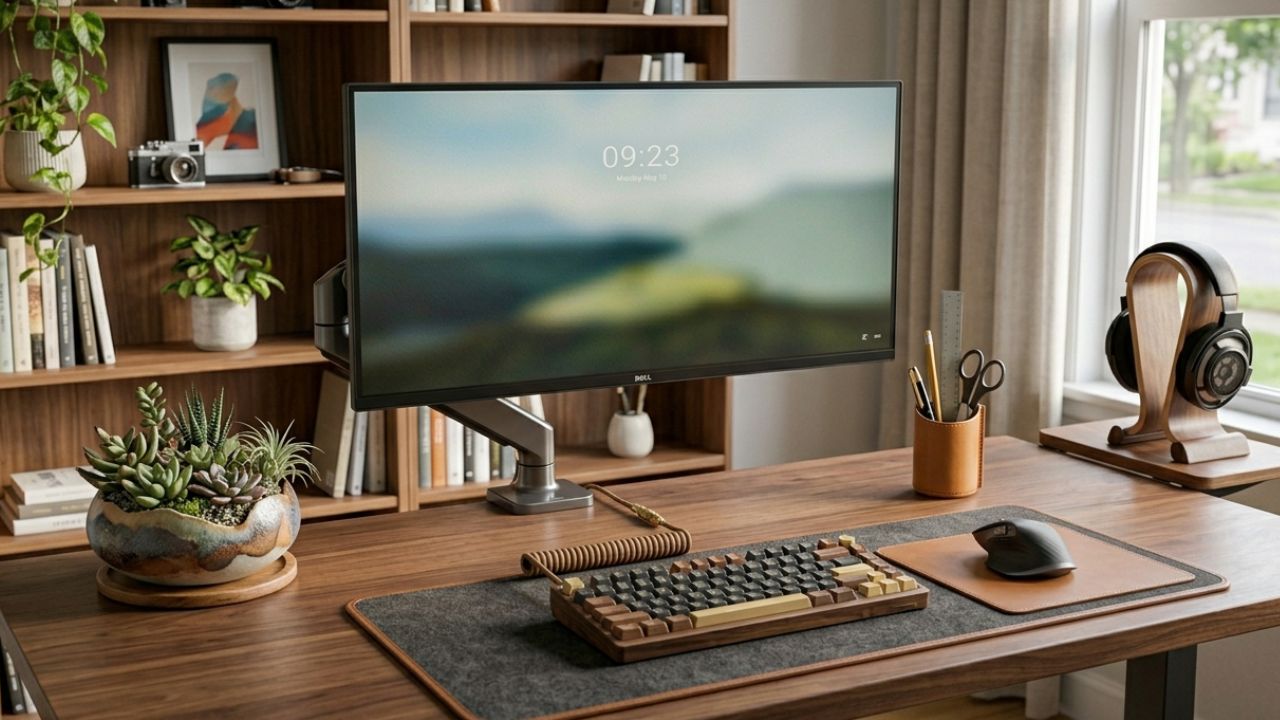
Is Your Messy Desk Quietly Killing Your Focus? Minimalist Tips That Actually Work
minimalis.my.id - ever feel like your work is heavier than it should be even when your tasks haven’t changed? the problem might not be your workload. it could be your desk. a cluttered workspace doesn’t just look messy it creates mental noise. piles of paper, tangled cables, random sticky notes… they all compete for your attention. and over time, that drains your focus more than you realize. minimalism isn’t about owning less just for the sake of it. it’s about creating a space that helps you think clearly, work efficiently, and feel in control. here’s how to declutter your desk in a simple, realistic way no perfectionism required. 1. start with a full reset: clear everything off your desk most people try to “tidy up” by shifting things around. that rarely works. if you want real change, start by removing everything from your desk. yes everything. this step forces you to see your workspace with fresh eyes. we often get used to clutter, so we stop noticing how chaotic things actually are. clearing your desk gives you a clean slate and helps you rethink what truly belongs there. once everything is off, sort your items into three categories: things you use daily things you rarely use things you don’t need at all minimalism is all about function. if an item doesn’t serve a clear purpose, it’s probably just taking up space. this process also helps you detach from unnecessary items. you’ll realize that many things you’ve been keeping don’t actually support your work. when you rebuild your desk from scratch, every item earns its place. that intentional setup creates a sense of control and clarity something a cluttered desk can never give you. 2. use the “one function, one place” rule a major reason desks get messy is the lack of a clear system. items don’t have a fixed place, so they end up scattered everywhere. that’s where the minimalist rule comes in: every item should have a dedicated home. for example: keep all stationery in one container store important documents in one tray or folder assign a specific spot for gadgets and chargers this simple system reduces the time you spend searching for things and lowers small, daily frustrations. the key here is consistency. a system only works if you stick to it. make it a habit to return items to their designated place after using them. also, keep your setup simple: avoid overusing organizers choose clean, functional storage stick to neutral tones to reduce visual distraction the simpler your system, the easier it is to maintain. minimalism works best when it feels effortless, not complicated. 3. reduce visual noise: clean doesn’t always mean calm a desk can look “organized” but still feel overwhelming. that’s because visual clutter isn’t just about quantity it’s also about how things look. too many colors, shapes, and objects can still overload your brain. research from the princeton university neuroscience institute shows that excessive visual stimuli can interfere with your brain’s ability to focus. when your environment is visually busy, your brain has to work harder to process information reducing productivity. so even if your desk is technically tidy, too much decoration or visual variety can still distract you. here’s how to reduce visual noise: use a neutral color palette (white, gray, black, beige) limit decorations to 1–2 meaningful items hide cables to keep the surface clean store small items in drawers or closed containers the goal is to create a space that feels visually “light.” when your environment is calm, your mind follows. minimalism doesn’t mean boring it means intentional. your desk should support your focus, not compete with it. 4. build a 5 minute daily reset habit the secret to a consistently clean desk isn’t a big cleanup it’s small, daily maintenance. most people wait until their workspace becomes overwhelming before doing anything about it. that’s why clutter keeps coming back. instead, spend just 5 minutes a day resetting your desk. use that time to: put items back in their place throw away small trash (papers, wrappers, etc.) straighten your workspace remove anything you don’t need for the next day it may seem insignificant, but this habit prevents clutter from building up in the first place. more importantly, it trains your mindset. you become more aware of what you bring onto your desk and more intentional about keeping it clean. tips to stay consistent: set a daily reminder make it part of your end-of-work routine start small and keep it simple with this habit, you’ll never need a massive cleanup again. your desk stays ready, every single day. your desk isn’t just a surface it’s part of how you think and work. a cluttered space creates hidden stress, while a minimalist setup gives you clarity and control. start small. stay consistent. focus on what truly matters. because in the end, a clean desk isn’t the goal it’s a tool to help you do your best work.
You’re Not Tired, You Just Have Too Much: The Power Of Living With Less
minimalis.my.id - what if the life you’ve been chasing more money, more stuff, more success is actually making you feel more overwhelmed instead of fulfilled? every day, we’re told to upgrade, buy more, and want more. bigger houses, newer gadgets, fuller schedules. but behind all of that, many people feel tired, distracted, and stuck in a cycle that never truly satisfies. now imagine the opposite. imagine waking up in a space that feels calm, not crowded. a mind that feels clear, not overwhelmed. a life where you’re not constantly chasing but actually enjoying what you already have. this is the idea behind life with less. it’s not about giving everything up or living with nothing. it’s about removing what doesn’t matter so you can finally focus on what does. more people around the world are starting to realize that having less can actually lead to feeling more more clarity, more freedom, and more peace. and the best part? you don’t need to change your entire life overnight to experience it. why living with less is beneficial living with less doesn’t mean living in deprivation. on the contrary, it’s about recognizing that “enough” is already more than sufficient. one of the biggest advantages of this lifestyle is reduced stress. a home filled with unused or unnecessary items often creates hidden mental clutter. every object demands attention, care, and space. by owning less, we also lighten our mental load. another benefit is improved focus. a clean and uncluttered environment allows us to concentrate on what truly matters our work, relationships, and personal growth. many people who adopt minimalism report feeling more productive because they are no longer distracted by excess. financially, living with less can be very empowering. when you only buy what you truly need, your spending becomes more intentional. this allows you to save more, invest wisely, or spend on meaningful experiences rather than material goods. over time, this builds a stronger sense of financial security and freedom. there’s also a significant improvement in overall quality of life. when we stop chasing material possessions, we begin to value experiences, time, and human connection more deeply. life becomes less about “having” and more about “being.” additionally, minimalism has a positive environmental impact. reducing consumption means less waste and fewer resources used. it’s a small but meaningful step toward a more sustainable lifestyle. ultimately, living with less is about awareness. it’s about consciously choosing what adds value to your life and having the courage to let go of the rest. it’s not limitation; it’s liberation. research on life with less a growing body of research suggests that happiness is not directly tied to how much we own. in psychology, there is a concept known as hedonic adaptation, which refers to our tendency to quickly get used to new things. this means that buying new items only brings temporary happiness before we return to our baseline level of satisfaction. studies have also shown that cluttered environments can increase levels of stress hormones like cortisol. in contrast, tidy and simple spaces promote a sense of calm and well-being. this helps explain why many people feel more relaxed in minimalist environments. research on spending habits indicates that experiences tend to bring longer-lasting happiness than material purchases. spending money on travel, learning, or time with loved ones creates deeper and more meaningful satisfaction. if you want to start managing your finances better and keep your spending under control, i have a book recommendation that can help you get started. you can purchase it below. oh, and by purchasing the book below, you’re also supporting the operation of this website and helping us continue creating more minimalist and meaningful content. thank you for your support! 4.3 ★★★★☆ (496) buy now minimalism is also linked to better mental health. by reducing distractions, individuals can focus more on self-awareness and personal well-being. this is especially relevant in the digital age, where constant notifications and information overload can lead to anxiety and burnout. from a productivity standpoint, studies show that multitasking and visual distractions reduce efficiency. a simplified environment allows the brain to process information more effectively and perform better. moreover, the concept of life with less aligns closely with sustainability research. overconsumption is one of the major contributors to environmental damage. by consuming less, individuals can reduce their ecological footprint while improving their own quality of life. in short, minimalism is not just a lifestyle choice driven by aesthetics or trends. it is supported by research showing real benefits for mental health, happiness, productivity, and the environment. simple ways to practice life with less adopting a life with less mindset doesn’t require drastic changes. small, consistent actions are often more effective and sustainable. here are some simple ways to get started: declutter regularly: go through your belongings and remove items you haven’t used in the past year. donate or sell what you no longer need. practice mindful buying: before purchasing something, ask yourself if it’s truly necessary or just an impulse. simplify your wardrobe: try a “capsule wardrobe” with versatile, essential clothing pieces. limit social media use: reduce screen time to avoid unnecessary distractions and comparisons. prioritize experiences: spend more on activities and memories rather than physical items. simplify your schedule: avoid overcommitting and leave room for rest and reflection. organize your workspace: keep your desk clean to improve focus and productivity. reduce notifications: turn off non-essential alerts to minimize interruptions. cook at home: it’s more cost-effective and helps you maintain a healthier lifestyle. keep what matters: hold onto items that serve a clear purpose or have meaningful value. it’s important to remember that minimalism is not about strict rules or numbers. it’s about finding a balance that works for your lifestyle. what feels minimal for one person may not be the same for another. starting small makes the transition easier and more sustainable over time. key principles to apply to consistently live a life with less, there are several important principles to keep in mind. first is awareness. without awareness, it’s easy to fall back into old consumption habits. make it a habit to ask, “do i really need this?” before making decisions. second is consistency. minimalism is not a one-time change but a long-term process. there will be moments of temptation to accumulate more, and consistency is what keeps you on track. third is prioritization. identify what truly matters in your life whether it’s family, health, career, or financial freedom. knowing your priorities makes it easier to say no to things that don’t align with them. fourth is letting go. many people struggle with minimalism because of emotional attachment to possessions. learning to let go is a crucial step. remember that memories live within you, not in objects. fifth is avoiding perfectionism. minimalism is not about having a picture-perfect home. it’s about creating a life that feels lighter and more intentional. progress matters more than perfection. sixth is building small habits. big changes come from consistent small actions, like decluttering one area at a time or reducing one unnecessary expense. seventh is reflection. take time to evaluate whether your lifestyle aligns with your values. this helps you stay intentional and adjust when needed. finally, remember that minimalism is a tool, not the end goal. the true goal is a more meaningful, peaceful, and fulfilling life
Tips For Managing Monthly Expenses For Families And Young Adults
minimalis.my.id - managing monthly finances is an essential life skill that many people often overlook. whether you are a young adult just starting your financial journey or someone who already has a family, both groups face different challenges when it comes to handling income and expenses. without proper planning, it is very easy for money to run out before the end of the month. on the other hand, good financial management can bring peace of mind, reduce stress, and help you prepare for a more secure future. this article will discuss practical tips for managing monthly expenses that can be applied by both young adults and families. 1. creating a monthly budget creating a monthly budget is the most basic yet crucial step in managing your finances. a budget acts as a roadmap that shows where your money is going each month. without it, people tend to spend impulsively without realizing how much they are actually using. the first step is to calculate your total monthly income. this includes your salary, bonuses, and any additional income from side jobs or businesses. after that, list all your expenses, from essential needs to optional spending. here are the main components of a monthly budget: fixed income (monthly salary) additional income (freelance, business, bonuses) essential expenses (food, bills, transportation) flexible expenses (entertainment, shopping) savings and investments once everything is listed, categorize your spending into needs, wants, and savings. the 50/30/20 rule is a popular guideline, where 50% goes to needs, 30% to wants, and 20% to savings or investments. however, families may need to adjust this ratio depending on their responsibilities. having a clear budget helps you control your spending and avoid unnecessary expenses. it also ensures that every dollar you spend has a purpose. 2. differentiating between needs and wants one of the most common financial mistakes is failing to distinguish between needs and wants. this is especially true for young adults who are often influenced by trends and lifestyle pressures. needs are essential for daily living, such as food, housing, utilities, and transportation. wants, on the other hand, are things that are not necessary but provide comfort or enjoyment. here are some examples: needs: daily meals rent or housing costs work transportation wants: expensive café hangouts upgrading to the latest gadgets trendy fashion shopping problems arise when people prioritize wants over needs. this can quickly lead to overspending and financial instability. to manage this, you can apply these simple strategies: delay purchases for at least 24 hours create a priority shopping list set a monthly limit for entertainment for families, this distinction is even more important because financial decisions affect multiple people. prioritizing essential expenses like education, health, and household needs is key to maintaining financial stability. 3. tracking and evaluating expenses tracking your expenses is a simple habit that can make a huge difference in your financial life. by recording every transaction, you gain a clear understanding of where your money goes each day. many people feel like their money disappears quickly without knowing why. this usually happens because they do not track their spending. benefits of tracking expenses include: understanding spending habits identifying unnecessary expenses improving financial decision-making providing data for monthly evaluation there are several ways to track your expenses: using finance apps on your smartphone writing in a notebook creating a simple spreadsheet after tracking, the next step is evaluation. at the end of each month, review your spending and compare it with your budget. things to evaluate: did you stay within your budget? which category had the highest spending? are there expenses you can reduce? regular evaluation helps you improve your financial habits over time and ensures that you stay on track with your goals. to carry out this evaluation, you really need to write things down—relying on your phone would just ruin your focus. i’d like to recommend this to-do list notebook; it’s affordable and comes in a pack of three. if you're interested, please place an order, guys—your purchase helps this website grow. hehe buy now 4. building an emergency fund and saving money an emergency fund is one of the most important aspects of financial planning, yet many people ignore it. this fund is essential for handling unexpected situations such as medical emergencies, job loss, or urgent repairs. without an emergency fund, people often rely on debt, which can worsen their financial situation. recommended emergency fund amounts: young adults: 3–6 months of expenses families: 6–12 months of expenses in addition to emergency funds, saving money should become a regular habit. unfortunately, many people only save what is left over, which often results in no savings at all. effective saving tips: save at the beginning of the month use a separate savings account set up automatic transfers define clear savings goals benefits of saving and having an emergency fund: financial security reduced reliance on debt better preparation for future goals protection during unexpected events by consistently saving, you can build a strong financial foundation and feel more secure about your future. 5. avoiding consumer debt and starting investments debt is often seen as a quick solution, but if not managed properly, it can become a major burden. consumer debt, in particular, should be avoided because it is used for non-productive purchases. examples of consumer debt: gadget installments buy-now-pay-later shopping uncontrolled credit card usage this type of debt usually comes with high interest rates and can significantly reduce your monthly income due to repayments. ways to avoid consumer debt: spend within your means avoid impulsive buying limit credit card usage focus on essential needs in addition to avoiding debt, it is important to start investing early. investing allows your money to grow and protects it from inflation. beginner-friendly investment options: gold, mutual funds, stocks. tips for starting investments: start with small amounts understand the risks avoid “get rich quick” schemes stay consistent for the long term for young adults, starting early gives more time for growth. for families, investments help secure long-term goals such as children’s education and retirement. managing monthly expenses requires discipline and consistency. both young adults and families need proper financial planning to maintain stability and achieve their goals. by creating a budget, distinguishing between needs and wants, tracking expenses, saving regularly, avoiding unnecessary debt, and investing wisely, you can build a healthier financial future. remember, financial success is not about how much you earn, but how well you manage what you have. with the right habits, a secure and stable financial life is within reach.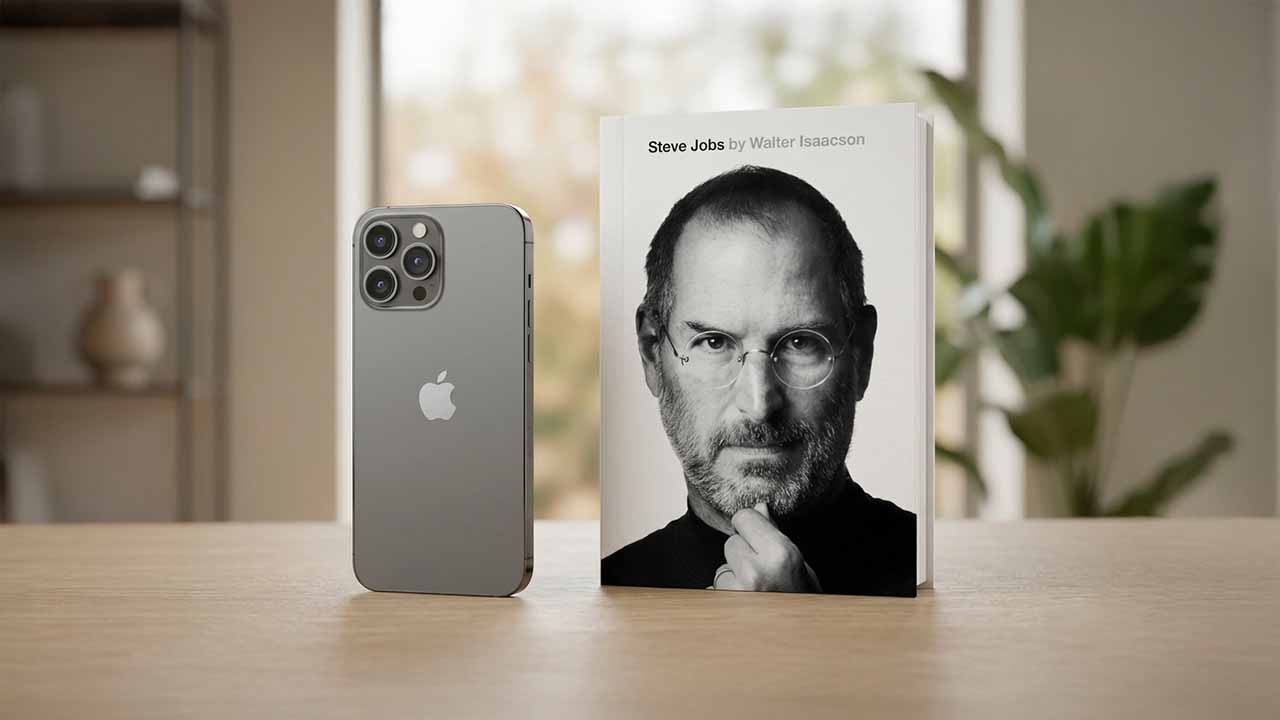
He Proved Simplicity Is The Ultimate Sophistication, How Steve Jobs Changed The World
minimalis.my.id - - steve jobs is one of the most iconic figures in modern technology and the driving force behind apple inc.. known for creating game-changing products like the iphone, ipad, and macbook, jobs didn’t just build gadgets, he changed the way people live, work, and communicate. what made him stand out wasn’t just innovation, but his obsession with simplicity, clean design, and user experience. he believed that great products don’t need to be complicated to be powerful. in this article, we’ll break down his background, why he’s often seen as a minimalist creator, his biggest achievements, and what made apple products so special under his leadership. if you’re into creativity, design, or tech, there’s a lot to learn from his journey. background of steve jobs steve jobs was born on february 24, 1955, in san francisco, california. he was adopted shortly after birth by paul and clara jobs, who raised him in what would later become silicon valley, the heart of the tech world. growing up, jobs was surrounded by electronics and hands on work. his adoptive father, a mechanic, taught him how to take things apart and put them back together. that early exposure played a big role in shaping his curiosity and love for building things. in high school, jobs met steve wozniak, a tech genius who would later become his business partner. the two shared a passion for electronics and started experimenting with computers together. after graduating, jobs went to reed college but dropped out after just one semester. still, he stuck around to attend classes that interested him like calligraphy. that might sound random, but it actually influenced the beautiful typography apple later became known for. in the early ’70s, jobs worked at atari before taking a trip to india. that journey had a big impact on him. he got into spirituality, mindfulness, and simple living ideas that later showed up in how he designed products. in 1976, jobs and wozniak started apple inc. in a garage. their first product, the apple i, was the beginning of something huge. but not everything went smoothly. in 1985, jobs was pushed out of apple after internal conflicts. instead of giving up, he started a new company called next and also invested in what became pixar. when jobs returned to apple in 1997, the company was struggling badly. but with his clear vision and focus, he turned things around and rebuilt apple into one of the most valuable companies in the world. his journey wasn’t easy, but that’s exactly what makes it so inspiring. why steve jobs is a minimalist creator steve jobs is often called a minimalist creator, and it’s easy to see why. his whole approach was about keeping things simple, clean, and focused. he believed that simplicity isn’t about having less, it’s about making things better. one of his most famous ideas was that “simplicity is the ultimate sophistication.” instead of adding more features just for the sake of it, jobs focused on removing what wasn’t necessary. that’s why apple products feel so easy to use they’re designed with intention. by the way, since you're inspired by steve jobs, i’d like to recommend this highly popular, inspiring book it’s one that even inspired me. if you purchase the book using my affiliate link below, you’ll be helping to support the continued operation of this website. 4.7 ★★★★★ (26,780) buy now take the iphone, for example. when it first came out in 2007, most phones were full of buttons. the iphone? just one main button. it was a bold move, but it made everything feel more natural and intuitive. jobs also applied minimalism to how apple operated. when he came back in the late ’90s, he cut down the number of products and focused only on a few key ones. that allowed apple to put more energy into making those products really great instead of spreading itself too thin. his mindset was also influenced by his time in india and his interest in zen buddhism. he learned the value of focus, clarity, and cutting out distractions. that thinking showed up in everything he did from product design to presentations. for jobs, design wasn’t just about how something looked it was about how it worked. he wanted everything to feel seamless, from hardware to software. that’s why apple products often feel so smooth and connected. in the end, his minimalist approach wasn’t just a style it was a philosophy. and it’s a big reason why his work still stands out today. achievements of steve jobs (apple products) steve jobs led the creation of some of the most important tech products ever made through apple inc.. his ideas didn’t just improve technology they changed entire industries. one of his early breakthroughs was the macintosh in 1984. it introduced a graphical interface and a mouse, making computers much easier for everyday people to use. then came the ipod in 2001. before that, listening to music on the go wasn’t very convenient. the ipod made it simple thousands of songs in your pocket. but the real game-changer was the iphone in 2007. it combined a phone, music player, and internet device into one and basically redefined what a smartphone is. in 2010, jobs introduced the ipad, opening up a whole new category between phones and laptops. some other key achievements: launching the macbook as a premium laptop line building apple’s ecosystem (icloud, app store, itunes) creating a strong brand that people connect with emotionally turning apple into one of the most valuable companies in the world jobs had a unique ability to see what people needed before they even knew it themselves. that’s what made his achievements so impactful. advantages of apple products created by steve jobs products built under steve jobs at apple inc. stand out for a reason, they’re designed with real people in mind. first, there’s the design. apple products are known for being clean, modern, and minimal. they don’t feel cluttered or confusing they just make sense. then there’s the ecosystem. devices like the iphone and macbook work seamlessly together. you can start something on one device and finish it on another without any hassle. another big plus is ease of use. apple products are super user-friendly, even if you’re not tech-savvy. everything feels intuitive. key advantages: simple, clean design smooth integration between devices reliable and fast performance strong security features regular software updates on top of that, apple products are built to last. the quality is high, which makes them a solid long-term investment. all of this comes from jobs’ vision: create products that are not only powerful, but also enjoyable to use. one of these iphones is the latest model released in 2026, the iphone 17 pro max and it’s highly sought after thanks to its powerful performance. if you’re planning to buy this phone, you can purchase it directly from amazon via the link i’ve provided in the button below; ordering through that link also helps support this channel. 4.2 ★★★★☆ (357) buy now message to readers the story of steve jobs shows that simplicity can be incredibly powerful. you don’t always need to do more sometimes, doing less (but doing it really well) is what makes the biggest difference. whether you’re creating something, building a business, or just figuring out your path, try to focus on what really matters. cut out the noise. keep things clear. because at the end of the day, the best ideas are often the simplest ones.
He Got Rid Of Almost Everything And Found Happiness: The Journey Of Fumio Sasaki
minimalis.my.id - fumio sasaki is a japanese author widely recognized for his practical and deeply personal approach to minimalism. unlike many people who naturally live simply, sasaki began his journey from a life filled with clutter, comparison, and dissatisfaction. his story resonates with many because it feels real and relatable. through his experience, he shows that happiness is not about owning more, but about living more consciously. by letting go of what is unnecessary, he discovered space both physically and mentally for what truly matters. the beginning of fumio sasaki’s minimalist journey fumio sasaki did not start out as a minimalist. in fact, his life was once the complete opposite. he lived in a small apartment in japan that was overcrowded with belongings books, cds, clothes, and various items he rarely used. even though he owned many things, his space felt tight, messy, and far from comfortable. this clutter slowly affected his mental state, making it difficult for him to relax or focus. working as an editor in a publishing company, sasaki was constantly surrounded by books and media. over time, he developed a habit of collecting things without questioning whether he truly needed them. at the same time, he often compared himself to others colleagues who seemed more successful, more organized, and happier. this constant comparison made him feel inadequate, pushing him to buy more as a way to cope. the turning point came when he discovered the idea of minimalism through blogs and books. he was struck by how people with fewer possessions seemed calmer and more fulfilled. this sparked a simple but powerful question in his mind: do i really need all of this? he began making small changes. he got rid of clothes he never wore, reduced his book collection, and slowly removed items that didn’t serve a real purpose. letting go wasn’t easy, especially when certain objects carried emotional value. however, he learned that memories don’t have to be tied to physical things. as his space became cleaner and more open, he noticed a shift within himself. he felt lighter, calmer, and more in control. what started as a small experiment soon became a life-changing decision one that marked the true beginning of his minimalist lifestyle. why fumio sasaki chose to live a minimalist life the decision of fumio sasaki to embrace minimalism was driven by a growing sense of dissatisfaction with his life. despite having a stable job and enough material possessions, he often felt empty and unfulfilled. this emotional gap led him to reflect on the way he was living and question whether more possessions truly meant more happiness. one of the biggest factors was his habit of comparing himself to others. he constantly felt like he wasn’t doing enough or achieving enough, especially when he saw people around him who appeared more successful. this mindset created pressure and insecurity, which he tried to mask by buying more things. unfortunately, instead of solving the problem, it only made him feel worse. if you’d like to read the works of fumio sasaki, you can get them through the link below, directly from the author himself. electronic versions of fumio sasaki’s books are available, so you can read them anytime, anywhere. if you’re interested, you can purchase the book through the link below. 4.5 ★★★★★ (6.493) buy now his living environment also played a major role. his small apartment was filled with clutter, making it hard for him to feel comfortable or at peace. the physical mess translated into mental stress, leaving him overwhelmed and distracted in his daily life. some key reasons that led him to minimalism include: constant comparison with others, which lowered his self-confidence a cluttered living space that caused stress and discomfort overconsumption habits used as a way to cope with insecurity through these realizations, sasaki understood that his problem wasn’t having too little, it was having too much. too many things, too many distractions, and too many expectations. minimalism became his way out of that cycle, allowing him to rebuild his life with more intention and clarity. the benefits fumio sasaki experienced from minimalism after adopting a minimalist lifestyle, fumio sasaki experienced significant improvements in both his physical surroundings and mental well-being. minimalism didn’t just change how his apartment looked it transformed how he felt and how he approached life. one of the most immediate benefits was a cleaner and more organized living space. with fewer possessions, his apartment became more open and easier to maintain. this had a direct impact on his mood, making him feel more relaxed and at ease in his own home. and if you’re looking for another interesting read about minimalism, here’s another book recommendation by the same author, fumio sasaki. you can also get it through the link below. 4.4 ★★★★☆ (344) buy now mentally, he experienced greater clarity and focus. without the constant distraction of unnecessary items, he was able to think more clearly and be more productive. his stress levels decreased, and he found it easier to enjoy simple moments without feeling overwhelmed. some of the main benefits he experienced include: improved focus and inner calm due to a simpler environment better financial control by reducing unnecessary spending stronger self-confidence without relying on material possessions beyond these, minimalism gave him a sense of freedom. he no longer felt the need to constantly buy or own more. instead, he became more mindful about what he allowed into his life. this shift gave him more time and energy to focus on meaningful activities and personal growth. ultimately, minimalism helped sasaki redefine what happiness means. instead of chasing it through possessions, he found it in simplicity, awareness, and contentment with what he already has. what fumio sasaki achieved through minimalism the minimalist journey of fumio sasaki not only transformed his personal life but also led to significant achievements. one of his most notable accomplishments is his book, goodbye, things, which has become an influential work in the world of minimalism. in this book, he shares his personal story, practical tips, and insights into living with less. its honest and relatable approach resonated with readers around the world, leading to international recognition and translations into multiple languages. through this success, sasaki became a prominent voice in the global minimalist movement. he has also been invited to speak at events, interviews, and discussions, where he shares his experiences and inspires others to rethink their relationship with material possessions. his influence continues to grow as more people seek simpler and more meaningful ways of living. however, his greatest achievement goes beyond professional success. he found a sense of peace, fulfillment, and self-acceptance that he once struggled to achieve. minimalisme gave him the freedom to live without constant pressure and the ability to appreciate life as it is. in the end, sasaki’s journey shows that true success is not about how much you have, but how well you live with what you choose to keep.
Use It Up Or Use It Until It Breaks: A Minimalist Philosophy That Changes How We Consume
minimalis.my.id - minimalism isn’t just about owning fewer things, it’s about appreciating what we already have. one simple yet powerful principle is: use it up or use it until it breaks. this philosophy encourages us to be more mindful in how we use our belongings, reduce waste, and live more intentionally in our daily consumption. use it up using something until it’s completely finished is a form of responsibility for what we purchase. in everyday life, many people unknowingly throw away items that are still usable such as skincare products, food, stationery, or household supplies. we’re often tempted to try something new before finishing what we already have. from a psychological perspective, this behavior has been discussed by daniel kahneman in behavioral economics. he explains that humans are prone to “present bias,” meaning we prefer instant gratification over long-term benefits. in terms of consumption, this leads us to buy new items without finishing the old ones. another study by barry schwartz in the paradox of choice shows that having too many options can actually make us less satisfied and more likely to keep switching between products. as a result, many items are left unused before they’re finished. by making it a habit to use things until they’re completely used up, we train discipline and awareness in our consumption. we begin to value every item we own more deeply. this habit also helps us understand our real needs. when we resist buying new items before finishing the old ones, we become more selective with future purchases. we learn what truly works for us and what was just a momentary desire. psychologically, finishing something also brings a sense of satisfaction. there’s a feeling of completion that helps us appreciate the process. this is very different from piling up half-used items, which often creates guilt and stress. in the long run, this habit shapes a more intentional and simplified lifestyle. we are no longer easily tempted by trends or discounts, because our focus is on finishing what we already have. it’s a small step with a big impact on the journey toward minimalism. use it until it breaks beyond using consumable items fully, minimalism also encourages us to use durable goods until they truly wear out. this applies to clothing, shoes, bags, gadgets, and household furniture. this idea aligns with research by thorstein veblen, who introduced the concept of conspicuous consumption. he explained that people often replace items not because they need to, but to display social status. this is why many items are discarded long before they’re actually unusable. additionally, studies by tim jackson in ecological economics emphasize the importance of extending product lifespans to reduce environmental impact. using items until they break is seen as a more sustainable consumption practice. by using items until they break, we learn to value function over appearance. we begin to see things as tools that support our lives, rather than symbols of style or status. this shift in mindset is essential in a minimalist lifestyle. and this “use it until it wears out” principle is something i also apply when choosing clothes. i have one type of shirt that has become one of my go-to pieces for everyday wear. it is made from bamboo cotton, feels cool and soft against the skin, and has a very minimal design that makes it easy to wear for almost any occasion. what really convinced me of its quality? i actually wore mine until it eventually wore out. not because it was poorly made, but because i kept reaching for it over and over again. after using it that much, i can genuinely say that the comfort is real and the quality is more than just a marketing claim. if you are also trying to live more minimally and would rather own fewer clothes that you actually enjoy wearing, this could be a great option to consider. you can currently get 6 pieces for just $59. instead of filling your closet with clothes you rarely wear, invest in a few comfortable basics that you will actually reach for every day. check out the bamboo cotton shirts here and see if they are right for you. 4.5 ★★★★★ (2.165) beli sekarang habit also helps us save money significantly. we don’t need to constantly replace items, allowing us to allocate resources toward more meaningful things like savings, investments, or life experiences. from an environmental perspective, the longer we use an item, the smaller our consumption footprint becomes. this is a real contribution to sustainability. interestingly, when we commit to using items until they break, we also tend to take better care of them. we become more mindful in maintaining, cleaning, and storing our belongings so they last longer. without realizing it, we build a healthier relationship with the things around us. if it can be repaired, repair it an important principle in minimalism is not immediately discarding something when it breaks, but attempting to repair it first. unfortunately, the “break and replace” culture has become very common. in reality, many items can still be fixed at a lower cost than buying new ones. for example, shoes with worn-out soles, bags with broken zippers, or household items with minor damage. by repairing items, we not only save money but also extend their lifespan. this is a form of responsibility toward the resources used to produce them. repairing also builds creativity and practical skills. we can learn to fix things ourselves or seek local repair services, which also helps support small businesses in our community. there’s also an emotional value in repairing items. they are no longer just objects, but carry stories and experiences. this makes us more appreciative and less likely to replace them easily. furthermore, repairing reduces the habit of instant consumption. we become less tempted to buy new things for minor issues. this is an important step toward a more mindful and sustainable lifestyle. benefits and advantages of applying this principle applying the “use it up or use it until it breaks” principle offers many benefits—financially, mentally, and environmentally. here are some of the key advantages: saves money: spending decreases because we don’t frequently buy new items. reduces waste: helps minimize trash from unused or half-used products. simplifies life: fewer items mean a cleaner space and a calmer mind. increases consumption awareness: helps distinguish between needs and wants. creates a sense of contentment: less driven by trends, more appreciative of what we have. environmentally friendly: reduces carbon footprint from production and distribution. builds self-discipline: encourages consistency in finishing what we start. maximizes value of items: every item is used to its fullest potential. ultimately, this principle helps us build a healthier relationship with both our possessions and our finances. we are no longer controlled by impulsive consumption, but instead take control of our choices. life becomes more intentional, simple, and meaningful.
Minimalist Emergency Fund Strategy
minimalis.my.id - when it comes to personal finance, an emergency fund is often seen as a must-have but also something that feels overwhelming to build. a lot of people give up before they even start, especially when they hear they need to save 6–12 months’ worth of expenses. the truth is, it doesn’t have to be that complicated. a minimalist emergency fund strategy offers a simpler, more realistic way to get started. the idea is straightforward: having a small emergency fund is far better than having none at all. what is a minimalist emergency fund strategy? a minimalist emergency fund strategy focuses on building your emergency savings in a simple and manageable way. instead of aiming for a large amount right away, you start with a smaller, more achievable target based on your current financial situation. this approach removes the pressure and helps you focus on consistency rather than perfection. why this approach feels more realistic one of the biggest reasons people don’t build an emergency fund is because the goal feels too far out of reach. when the target is overwhelming, it’s easy to procrastinate or not start at all. a minimalist approach changes that mindset. by setting smaller goals, you make progress feel attainable. in today’s world, where living costs keep rising, this kind of flexibility matters more than ever. you’re still protecting yourself financially, just in a way that fits your reality. reading about better money habits is a great start, but turning those ideas into action is what makes the difference. one simple way to stay consistent is by writing down your financial goals, monthly expenses, savings targets, and progress in a dedicated budget planner. a physical planner helps reduce distractions and gives you a clearer picture of where your money is going. the clever fox budget planner is designed to help you organize your finances in one place. it includes sections for monthly budgeting, expense tracking, bill planning, financial goals, savings plans, and personal money strategies making it easier to build better financial habits over time. check the clever fox budget planner on amazon and start building a budgeting system that actually works for you. 4.6 ★★★★★ (30.206) buy now how to start a minimalist emergency fund start small - you don’t need a huge amount right away. even a small goal like saving $100 or $200 can make a difference. it’s enough to handle minor emergencies like unexpected bills or small repairs. focus on essentials - figure out your basic monthly expenses, such as food, housing, and transportation. from there, you can set your next goal, like covering one month of essential costs. save consistently - the amount doesn’t have to be big. what matters is consistency. setting aside 5–10% of your income regularly can go a long way over time. keep it separate - store your emergency fund in a separate account so it doesn’t get mixed with everyday spending money. this helps you avoid the temptation to use it for non-urgent things. build it step by step - once you reach your first goal, move on to the next one. there’s no need to rush, the key is steady progress. common mistakes to avoid a lot of people wait for the “perfect time” to start saving. in reality, there’s rarely a perfect moment and that’s exactly why an emergency fund matters. another common mistake is mixing emergency savings with other funds, which makes it easier to spend unintentionally. and of course, using it for things like sales or impulse purchases defeats the purpose. an emergency fund should only be used for actual emergencies. the benefits you’ll notice this strategy helps you build financial security without feeling overwhelmed. even a small cushion can reduce stress and give you peace of mind. as your savings grow, you’ll likely feel more motivated to keep going. over time, you’re not just building money you’re building better financial habits. who is this for? this approach works well for almost anyone, especially beginners, people with limited income, freelancers, or those with irregular earnings. you don’t need to wait until everything is stable to start. what matters most is getting into the habit and sticking with it. small steps may not feel like much at first but over time, they add up in a big way.
Minimalist Productivity System For Entrepreneurs
minimalis.my.id - as an entrepreneur, you’re not just doing one job. you’re making decisions, executing ideas, and solving problems every day. without a clear structure, it’s easy to feel overwhelmed. a minimalist system helps you: reduce mental fatigue (decision fatigue) stay focused on what truly matters avoid unnecessary distractions build consistent work habits instead of trying to do everything, you focus only on what actually moves your business forward. core principles of minimalist productivity before building your system, understand these key principles: less is more the fewer tools and systems you use, the easier it is to stay consistent. clarity over complexity a simple and clear system will always outperform a complicated one. action over planning don’t spend too much time planningfocus on execution. 1. use one task management system many entrepreneurs make the mistake of using too many tools at once, notes in one app, tasks in another, ideas somewhere else. keep it simple: use just one system. it can be: a digital tool like notion or todoist or even a physical notebook what matters is having everything in one place so nothing gets lost. 2. apply the rule of 3 each day, choose only three main tasks that truly impact your business. why only three? because too many priorities lead to a lack of focus. with three clear tasks, you’ll be more focused, realistic, and consistent. once those are done, anything else becomes a bonus. 3. simple time blocking instead of working randomly, structure your day using basic time blocks. for example: morning: deep work (high-focus tasks) afternoon: meetings or communication late afternoon: admin or light tasks it doesn’t need to be overly detailed. you just need clear boundaries for different types of work. 4. eliminate digital distractions distractions are one of the biggest productivity killers. simple steps you can take: turn off non-essential notifications limit social media during work hours use focus mode on your phone the fewer interruptions you have, the faster and better you’ll work. 5. weekly review a system without reflection won’t improve. set aside 30–60 minutes each week to: review what you’ve completed plan your priorities for the next week remove tasks that no longer matter this keeps you aligned without overthinking your day-to-day work. 6. automate and delegate you don’t have to do everything yourself. ask yourself: can this task be automated? can this task be delegated? use tools or team support for repetitive work so you can focus on strategy and growth. simple system overview a minimalist productivity system can be as simple as: one tool for everything three priorities per day basic time blocking weekly review minimal distractions this kind of system is easy to maintain and highly effective over time. a minimalist approach to productivity isn’t about doing less work, it’s about doing the right work. by simplifying how you operate, you create more space for focus, better decisions, and real progress in your business.
Frugal Living: Simple Habits That Can Save You Over $1,000 A Year
minimalis.my.id - frugal living is a smart way to manage your money without sacrificing your quality of life. it’s not about being cheap, it’s about being intentional. with small, consistent habits, you can easily save over $1,000 per year, and often much more. why frugal living matters without proper money management, small expenses can quietly add up into something big. a frugal lifestyle helps you: stay in control of your finances reduce financial stress grow your savings faster 1. create a monthly budget a budget is your financial foundation. track your income and expenses so you know exactly where your money goes. a simple rule to follow: 50% for needs 30% for wants 20% for savings even this basic system can help you save hundreds of dollars each year. 2. cook at home more often eating out is convenient, but expensive. if you save just $4 per day by cooking at home: $4 × 365 days = $1,460 per year that alone already exceeds the $1,000 goal. 3. cut unnecessary subscriptions many digital subscriptions go unused. example savings: cancel 2 services = save $15/month total = $180 per year 4. avoid impulse buying use a simple rule: wait 24 hours before making a purchase if you avoid just $50 of unnecessary spending per month: total = $600 per year simple savings overview cooking at home → $1,460 subscriptions → $180 impulse spending → $600 ---------------------------- total → $2,240/year frugal living is about making better choices with your money every day. small changes like cooking at home and cutting unnecessary expenses can quickly add up to significant savings over time.
Minimalist Way To Pay Off Debt Faster
minimalis.my.id - debt can feel overwhelming and stressful, affecting not only your finances but also your overall quality of life. that’s why many people are looking for simpler and more effective ways to become debt-free. one approach that has gained attention is using a minimalist mindset. minimalism is not about living with less in a negative way, but about focusing on what truly matters and removing what doesn’t add value. when applied to finances, this approach can help you pay off debt faster in a more realistic and manageable way. understand your debt clearly the first step is knowing exactly how much debt you have. many people feel stressed simply because they don’t have a clear picture of their financial situation. by listing all your debts, including balances, interest rates, and monthly payments, you can see where you stand. this clarity makes it easier to plan your next move without feeling lost or overwhelmed. focus on one strategy a minimalist approach means avoiding unnecessary complexity. instead of trying multiple methods at once, choose one strategy and stick with it. two common methods are: snowball, start with the smallest debt avalanche, start with the highest interest rate you don’t need to overthink which one is perfect. what matters most is staying consistent with the method you choose. cut unnecessary expenses one of the fastest ways to pay off debt is by creating extra room in your budget. this means reducing spending that doesn’t bring real value. small habits like impulse shopping or unused subscriptions may seem harmless, but they add up over time. by cutting these expenses, you can redirect that money toward paying off your debt faster. prioritize debt payments after covering your basic needs, your main financial focus should be your debt. this may require adjusting your budget so that a larger portion of your income goes toward repayment. when you focus on one clear goal, progress becomes more visible and motivating. increase your income in simple ways in addition to reducing expenses, increasing your income can speed up the process. it doesn’t have to be something complicated or time-consuming. you can start with simple options like: selling items you no longer use taking on a small side job any extra income can go directly toward your debt, helping you make faster progress. avoid taking on new debt one of the key principles of minimalism is living within your means. while you are paying off debt, it’s important not to add new financial burdens. temptations are everywhere, especially with easy access to credit. staying disciplined and mindful with your spending will help you maintain steady progress. build the right mindset paying off debt is not just about numbers, it’s also about habits and mindset. a minimalist approach helps you become more aware of how you use money and why. over time, you’ll learn to make better financial decisions, avoid unnecessary spending, and stay focused on long-term goals. consistency matters more than perfection many people fail to pay off debt because they think they need to do everything perfectly. in reality, consistency is far more important. even small payments, when made regularly, can lead to significant progress. staying committed to your plan will always be more effective than chasing a perfect strategy you can’t maintain. a minimalist approach simplifies what often feels like a complicated process. by reducing distractions, focusing on priorities, and staying consistent, paying off debt becomes more achievable and less stressful.
Simple Financial Plan For A Minimalist Lifestyle
minimalis.my.id - in recent years, minimalism has become more than just a trend—it’s a practical way of living with more intention and less stress. a minimalist lifestyle is not only about owning fewer things, but also about managing money in a smarter and more mindful way. with a simple financial plan, you can create a stable life without constantly chasing unnecessary expenses. understanding your financial priorities the first step in building a simple financial plan is knowing what truly matters to you. minimalism focuses on value, not excess. instead of aiming for luxury, the goal is comfort, security, and peace of mind. common financial priorities in a minimalist lifestyle include: building an emergency fund becoming debt-free maintaining stable monthly expenses having more time and less financial stress once your priorities are clear, it becomes easier to direct your money toward things that actually improve your life. creating a simple budget many people struggle with budgeting because they overcomplicate it. in a minimalist approach, your budget should be clear, flexible, and easy to follow. a simple structure could look like this: needs (60–70%): housing, food, transportation, bills savings & investments (20–30%) wants (10–20%) this structure is not strict, but it provides a helpful guideline to keep your finances balanced without feeling restricted. cutting unnecessary expenses one of the biggest challenges in personal finance is controlling impulsive spending. discounts, ads, and online shopping make it easy to spend without thinking. take a moment to identify common unnecessary expenses: subscriptions you rarely use impulse purchases during sales small daily expenses that add up over time reducing these habits doesn’t mean depriving yourself—it means spending with intention. simple monthly spending analysis to better understand your financial habits, here’s a simple example of a monthly spending breakdown: monthly spending overview (example) needs : 65% savings/invest : 25% wants : 10% this visual shows how most of the budget is focused on essential needs, while savings remain a strong priority. wants are still included, but kept under control. using a simple diagram like this can help you quickly evaluate your financial balance and adjust if needed. building an emergency fund an emergency fund is a key part of financial stability. without it, unexpected situations can quickly disrupt your finances. a good target is: at least 3 months of living expenses ideally up to 6 months for better security you don’t need to build it all at once. start small and stay consistent over time. avoiding unnecessary debt minimalism encourages living within your means. that’s why avoiding unnecessary debt—especially for non-essential items—is very important. here are a few simple strategies: delay purchases that are not urgent use money you already have instead of relying on credit focus on paying off existing debt step by step reducing debt gives you more financial freedom and less stress. saving and investing consistently saving money is not about how much you start with, but how consistent you are. even small amounts can grow over time if you stay disciplined. to get started: save at the beginning of the month, not at the end use a separate account for savings choose simple investment options that match your risk level beginner-friendly investments like mutual funds or gold can be a good starting point. spending with intention a minimalist mindset encourages thoughtful spending. before buying something, take a moment to consider its real value. ask yourself: do i really need this? will i use it long-term? is there a more practical alternative? choosing quality over quantity can also save money in the long run, as durable items last longer and reduce repeat purchases. reviewing your finances regularly your financial situation can change over time, so regular reviews are important. a simple check every 3 to 6 months can help you stay on track. things to review: are your expenses aligned with your plan? are your savings growing? are there new habits affecting your finances? with a simple structure, clear lists, and a basic visual analysis, managing your finances within a minimalist lifestyle becomes easier, more practical, and sustainable in the long term.
Slow Living & Minimalism | Finding Joy In Less
minimalis.my.id - in today’s fast-paced world, many people feel overwhelmed by busy schedules, constant notifications, and the pressure to always be productive. this modern lifestyle often leads to stress, burnout, and a lack of true fulfillment. as a response, the concept of slow living has gained popularity. interestingly, slow living is closely connected to minimalism, as both promote a simpler and more intentional way of life. minimalism focuses on reducing excess, whether it’s physical possessions, commitments, or distractions, while slow living emphasizes being present and enjoying life at a more relaxed pace. when combined, these two approaches can help create a more balanced, meaningful, and stress-free lifestyle. what is slow living? slow living is a lifestyle philosophy that encourages people to slow down and be more mindful in their daily lives. it’s not about being lazy or unproductive, but about doing things with intention and purpose. key principles of slow living include: prioritizing quality over quantity being present in the moment reducing unnecessary distractions living more mindfully by embracing these principles, individuals can experience less stress and greater satisfaction in their everyday routines. the connection between slow living and minimalism slow living and minimalism go hand in hand. both focus on removing what doesn’t truly matter in order to make space for what does. here are some shared values between the two: eliminating unnecessary clutter (both physical and mental) focusing on meaningful experiences reducing stress and overwhelm living with intention and clarity minimalism helps declutter your environment, while slow living helps declutter your time and mindset. together, they create a powerful foundation for a more peaceful life. benefits of a slow living minimalist lifestyle adopting both slow living and minimalism can lead to several practical and emotional benefits. reduced stress levels by slowing down and simplifying your life, you can significantly lower daily stress and anxiety. better financial habits you become more mindful of your spending and avoid unnecessary purchases. improved focus and productivity with fewer distractions, it’s easier to concentrate on what truly matters. higher quality of life life feels more meaningful, balanced, and enjoyable. signs you may need slow living many people don’t realize they need a lifestyle change until they feel overwhelmed. here are some common signs: constantly feeling tired or burned out having a busy schedule with little satisfaction difficulty enjoying free time frequently making impulsive purchases feeling pressured by social expectations if these sound familiar, it may be time to consider a slow living minimalist approach. how to practice slow living daily you don’t need to make drastic changes overnight. start small and build consistent habits over time. simplify your schedule focus only on activities that truly matter or bring value to your life. manage your time wisely avoid overbooking your day. leave room for rest and reflection. limit technology use reduce screen time and be more intentional with digital consumption. practice mindfulness be fully present in simple activities like eating, walking, or talking to others. declutter your space remove items you don’t use to create a calmer environment. real-life trends and data the rise of slow living and minimalism reflects a growing awareness of mental health and well-being. here are some notable trends: searches for “minimalist lifestyle” have increased by over 50% in the past five years more people are adopting simpler lifestyles to reduce stress digital detox has become a popular movement awareness of mental health is driving lifestyle changes these trends show that people are actively seeking a more balanced and intentional way of living. challenges of adopting slow living despite its benefits, transitioning to a slow living minimalist lifestyle can be challenging. common obstacles include: social pressure to stay busy and productive difficulty breaking old habits consumer-driven environments dependence on technology however, with patience and consistency, these challenges can be overcome. conclusion slow living is indeed a part of the minimalist lifestyle, as both share the same goal: creating a simpler, more intentional, and meaningful life. by removing unnecessary distractions, both physical and mental, you can focus on what truly matters. adopting this lifestyle doesn’t mean sacrificing success or productivity. instead, it allows you to live more consciously, appreciate the present moment, and achieve a healthier balance in life. start with small steps, such as simplifying your daily routine or reducing distractions. over time, these small changes can lead to a big transformation in how you live and experience life.Top Article
1