A Work Desk with Fewer Items, but Maximum Functionality
minimalis.my.id - Have you ever been ready to start working, only to spend the next few minutes tidying up your desk instead? There are messy cables, a used drinking glass, things that you probably don't really need, and small items that somehow always seem to pile up. It may seem like a small thing, but the condition of your desk can actually affect the way you work. When your desk is too crowded, your attention can easily be distracted by all the things around you. On the other hand, when your desk looks simple and organized, it feels easier to sit down and get started. In minimalism, what matters is making sure that every item on your desk has a reason to be there. You don't have to throw everything away or buy lots of organizers just to make your desk look aesthetic. In fact, the simpler your desk is, the easier it usually is to keep it tidy.
Start by Removing Things That Become Distractions
Take a look at your desk right now. Is there anything sitting there that has nothing to do with your work? Maybe there are gadgets you're not currently using, snacks, small collectibles, too many stationery items, or other things that have slowly taken over the surface of your desk. These things may seem harmless, but when there are too many of them, the desk becomes visually busy. That doesn't mean you have to throw everything away. You simply need to decide which things really need to stay on your desk and which ones can be moved somewhere else.
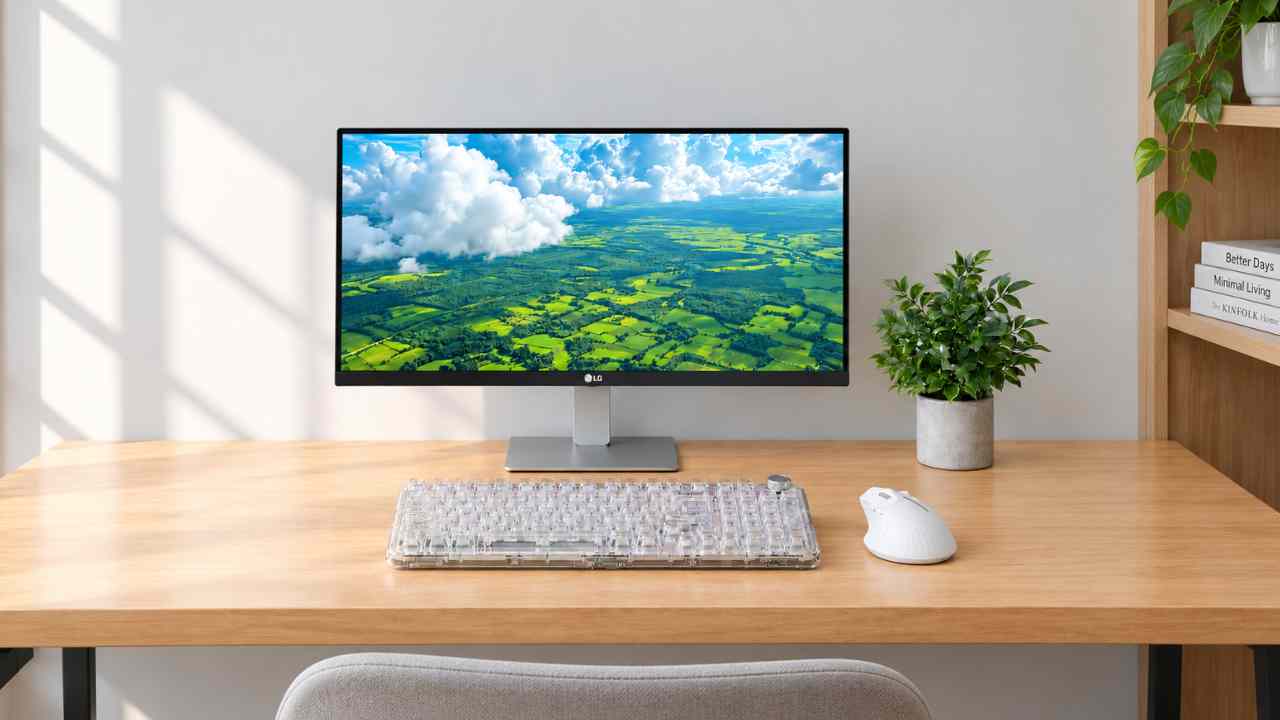
For example, when working with a laptop, you may only need your laptop, mouse, keyboard, notebook, one pen, and a drink. Everything else can be stored in a drawer or another place where it is still easy to reach when needed. A desk that is free from unnecessary items gives you more visual space. When your eyes aren't constantly drawn to different objects, it can also become easier to maintain your attention on your work. Don't you think so?
Improve Your Cable Management
Cables are often one of the main reasons a desk looks messy. There may be a charging cable, monitor cable, keyboard cable, mouse cable, power cable, and perhaps several other cables all sitting in the same area. If you leave them as they are, they can overlap and make the desk look much more crowded than it actually is. If possible, try doing some simple cable management. Long cables can be secured using Velcro straps or cable ties. You can then route them toward the back of the desk so they are less visible from where you sit.
Chargers that aren't being used should also not be left lying around on the desk. If there are cables that you rarely use, keep them in a specific place so the main workspace stays clean. You don't need to buy expensive accessories. The most important thing is simply giving your cables a clear path. The goal isn't to make your desk look perfect, but to keep cables from getting in the way of your hands, your view, and your work. Once your cable management is done, you'll probably notice the difference immediately. A desk that looked crowded before can suddenly feel much cleaner simply because the cables are organized.
Add One Decoration to Make Your Desk Feel More Alive
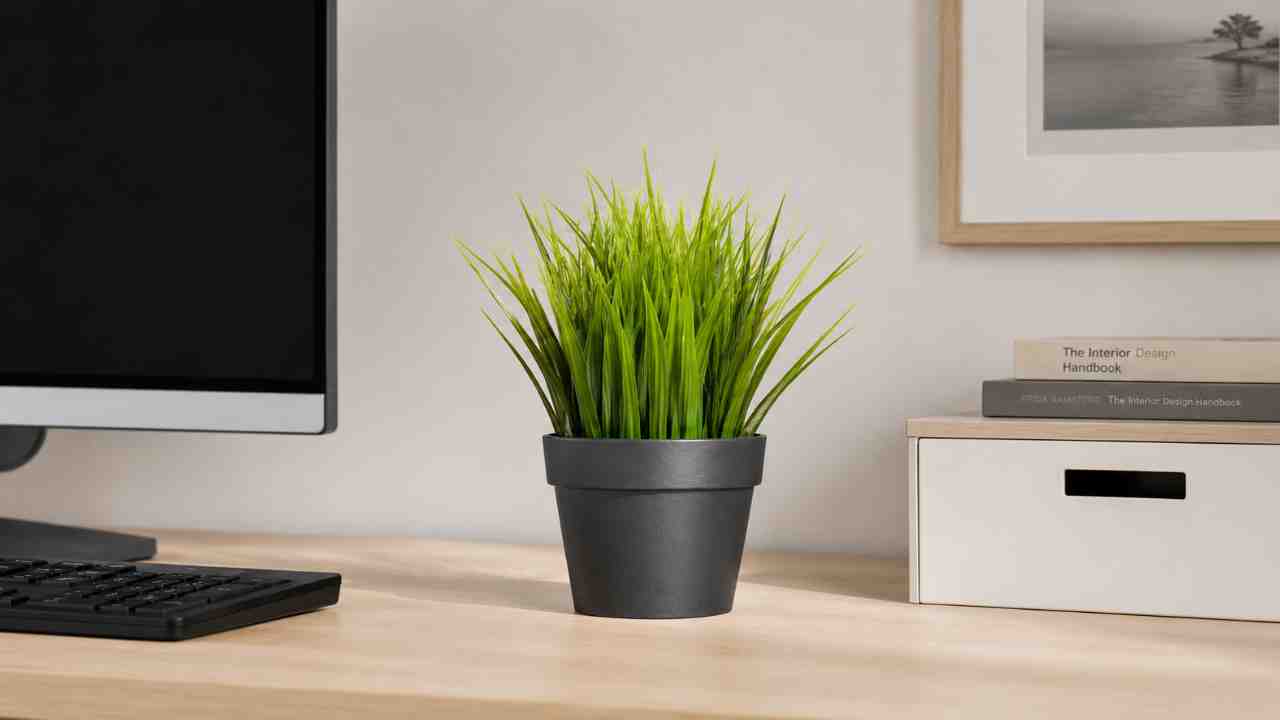
Minimalism doesn't mean your desk has to be completely empty. If your entire desk only contains your laptop and work equipment, the space might feel a little too rigid. That's why you can add one simple decoration to make your workspace feel more alive. One easy option is a small artificial plant. Place it in one corner of the desk where it won't interfere with your workspace. Its color can bring a little life to the desk without making it feel crowded.
If you don't like plants, you could also choose a small desk lamp, a simple frame, or an object that has personal meaning to you. But just choose one. This is one thing I find interesting about minimalism. We don't have to remove every decoration. We simply need to stop adding things just because there is still some empty space. One plant that you genuinely like can be much better than five or six decorations that eventually make your desk feel crowded.
Recent Product
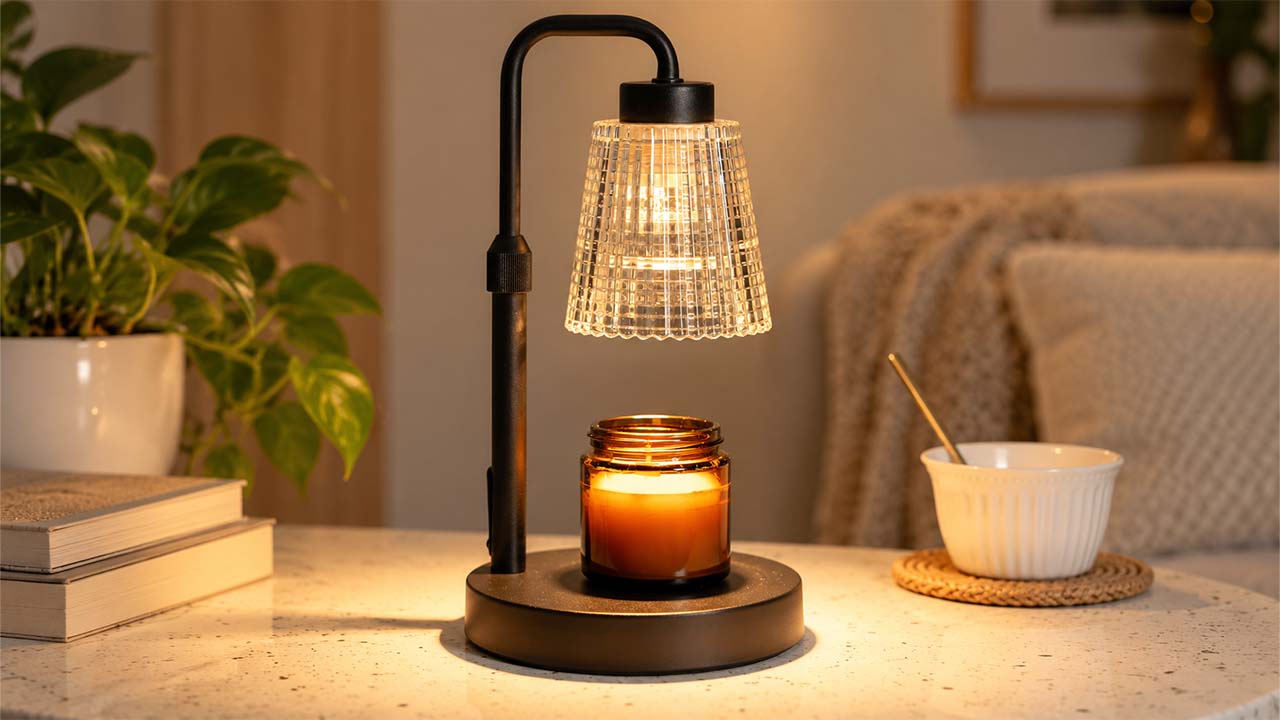
Godonlif Candle Warmer Lamp With Timer, Birthday Gifts For Women Home Decor
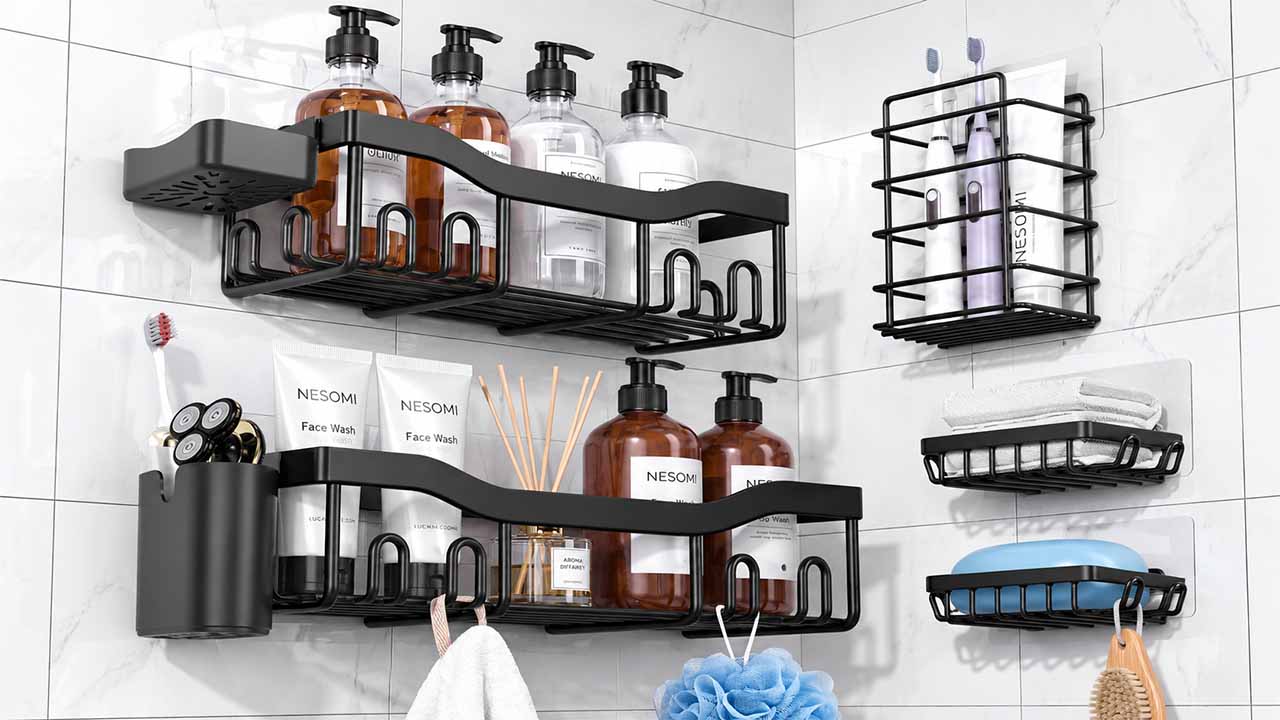
7-pack Shower Caddy Adhesive,stainless Steel Shower Organizer Shelf
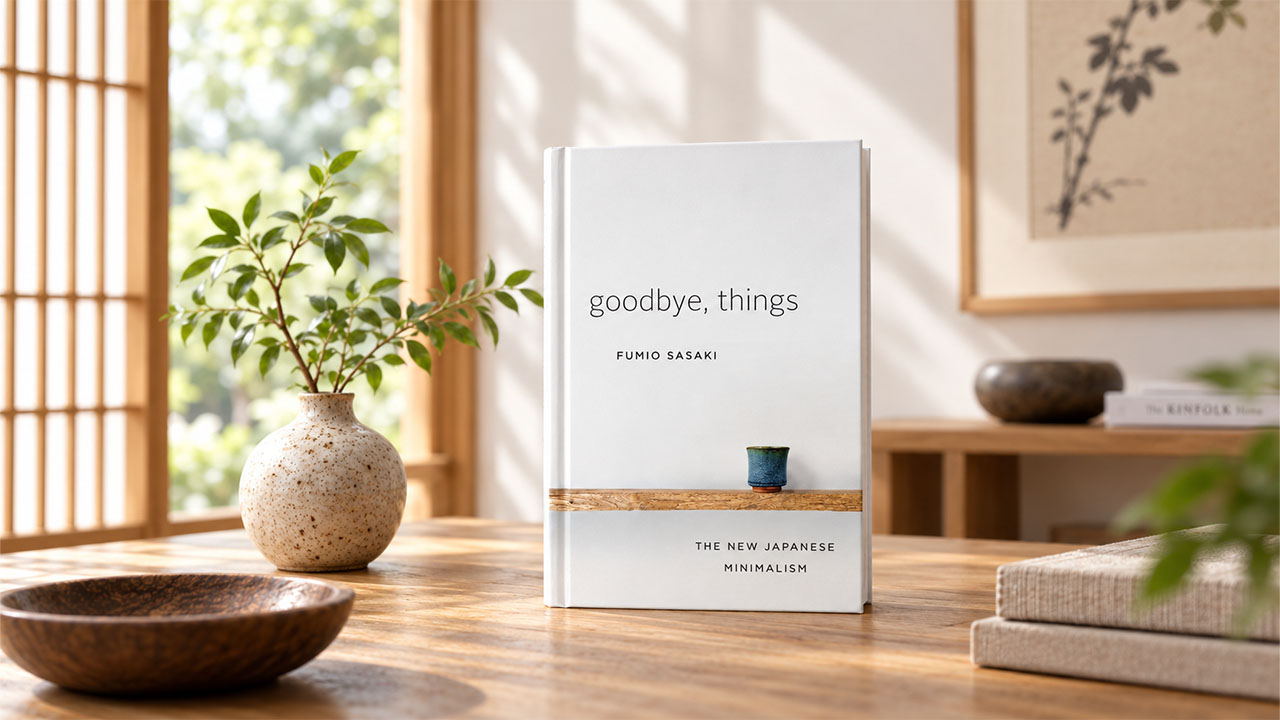
Leave Some Empty Space for Work
Another common mistake is feeling like we have to use every inch of the desk. When there is still a little empty space, we feel tempted to put something there. Then tomorrow there is another item. A few days later, almost the entire surface is covered. But empty space actually has a purpose. It gives you room to write, read documents, use a tablet, or simply have a comfortable area for your hands while working. So don't think of empty space as something that needs to be filled. In minimalism, empty space has value. Not every spot needs to be occupied just because we have something we could put there. By the way, you can also read my other article about Ma, the Japanese philosophy of empty space.
Decide Which Things Actually Need to Stay on Your Desk
A simple way to keep your desk tidy is to decide which items are allowed to stay there all the time. For example, your laptop, keyboard, mouse, notebook, one pen, and a small plant. Anything outside that list should only be on the desk while you're using it. A simple rule like this can help prevent the habit of leaving things wherever you happen to put them. Once you're finished using something, return it to its place. That way, tidying your desk doesn't feel like a big task. You don't have to wait until your desk is completely messy before cleaning it. Just make it a habit to put things back after using them.
Make It a Habit to Tidy Your Desk After Work
A tidy desk won't stay tidy if you only clean it once. What matters more is the small habit you develop after finishing your work. Before leaving your desk, spend two or three minutes putting things back in place. Throw away any trash, move your glass, straighten any cables that have shifted, put away your notebook, and return everything to where it belongs. You don't need to do a major cleanup every day. Simply return the desk to the condition it was in before you started working. This small habit becomes especially useful when you sit down to work the next morning. Imagine coming to your desk and everything is already ready. No tangled cables, no leftover glass from yesterday, and no pile of things that needs to be cleaned up first. You can simply sit down and start working.
What Are the Benefits of Having a Tidy Work Desk?
A tidy desk doesn't automatically make someone more productive. However, a simple environment can help reduce the small things that interrupt our attention. We don't have to search for a cable hidden between other objects, move things around just to find some working space, or constantly look at objects that have nothing to do with what we're doing. A tidy desk can also make work feel more organized. When everything has its own place, we're actually creating a small system within our daily routine. The laptop has its place, the cables are organized, stationery is easy to find, and unnecessary items don't take up valuable space. There is also one simple benefit that is often overlooked: comfort. After working for several hours, looking at a desk that isn't filled with random objects can give you a sense of relief. You can take a break without feeling like you're still surrounded by unfinished work.
In My Opinion, a Tidy Work Desk Is...
- It doesn't mean the desk has to be completely empty. In my opinion, a desk that is too empty can also feel uncomfortable. A few things that I use regularly can stay there, as long as they don't make the workspace feel crowded.
- Unused items shouldn't take up valuable space. If something is sitting on the desk simply because I think, "I might need this later," I'd rather put it away for now. When I actually need it, I can always take it back out.
- Messy cables can make a desk look much more cluttered than it actually is. Even if there is only a laptop and a monitor on the desk, cables running everywhere can make the whole workspace feel messy. That's why, in my opinion, cable management is a small detail that makes a noticeable difference.
- One plant is better than too many decorations. I like having a little bit of life on my desk, but I don't want it covered with decorations. For me, one small artificial plant is enough to make the workspace feel more alive without taking away from its minimalist look.
- Empty space doesn't always need to be filled. This is probably one of the things we often forget. When we see an empty spot on the desk, we tend to think we should put something there. But that empty space can actually give us more room to work comfortably.
- A tidy desk should make work easier, not create more work. If I have to spend a lot of time rearranging my desk every day, maybe I simply have too many things or those things don't have a proper place yet.
- Organization is more important than aesthetics. In my opinion, a desk doesn't have to look like the perfect setups we see on social media. What matters more is whether the desk is comfortable to use and helps us work without unnecessary distractions.
- Small habits are more important than big cleanups. I would rather spend two or three minutes tidying my desk after work than leave it messy for a week and then spend a long time cleaning everything up.
- A tidy desk gives you a better starting point. When I sit down at a desk that is already organized, I don't have to begin the day by cleaning up yesterday's mess. It feels like having a fresh space to start working.
- Minimalism at a work desk isn't really about owning fewer things, but having fewer distractions. For me, this is the main point. If something genuinely helps me work and makes me comfortable, there is no reason to remove it just to make the desk look minimalist.
A Tidy Desk Doesn't Have to Be Perfect
In the end, creating a tidy work desk isn't about having the perfect setup or copying someone else's workspace from the internet. What matters most is creating a space that supports the way you work. Remove things that become distractions. Organize your cables. Leave some empty space. Add one decoration that makes the workspace feel more alive, such as a small artificial plant. Then make it a habit to return everything to its proper place after you're finished working.
In my opinion, a good work desk isn't necessarily the most expensive or the most aesthetic one. A good work desk is one where, when you sit down, you immediately know what you need to do. There aren't too many objects demanding your attention. There aren't too many things that need to be cleaned up. There is simply enough space to work calmly. It may sound simple, but sometimes this kind of simplicity is exactly what we need. Because sometimes, to make work feel lighter, we don't need to add something new. We simply need to remove the things that don't really need to be there.
DISCUSS

RELATED POST