Work, Worship, Rest: Maybe That’s All Life Really Needs

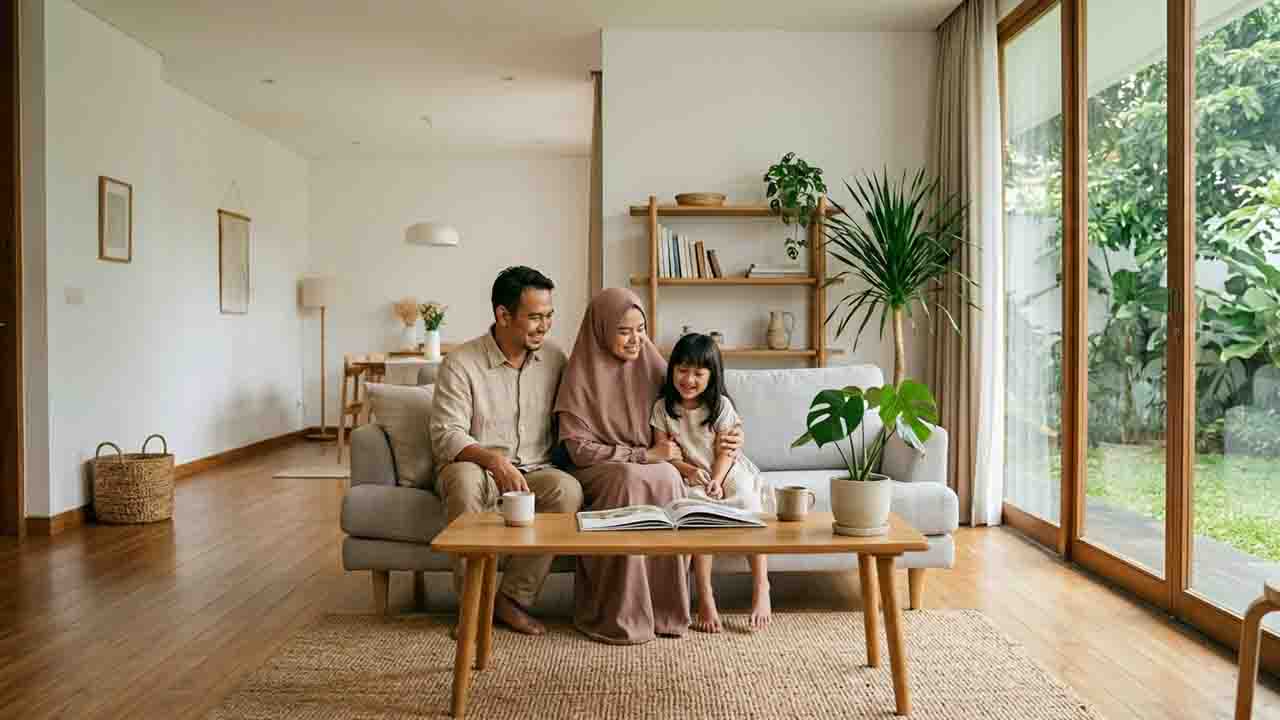
Minimalis.my.id - Life is actually simple, but we are often the ones who make it complicated. We wake up in the morning, work, earn a living, take care of our needs, worship, rest, and then repeat it all again the next day. It is actually that simple. Yet along the way, we often add so many things that make life feel heavier. We want more money, want to buy more things, want to look successful in the eyes of others, chase things we do not really need, and eventually forget to be grateful for what we already have. When we really think about it, perhaps what we have been looking for all this time is not a life that is increasingly full, but a life that feels more peaceful and has a clear direction.
Gratitude Changes the Way We See Life
Being grateful does not mean that we have to stop having ambitions or stop trying to become better. Gratitude is more about recognizing that what we have today also has value. Having a body that is still able to work, food to eat, a place to rest, people who are still around us, and the opportunity to live another day are things that often seem ordinary simply because we have them so often. We usually realize their value only when something is gone. Minimalism teaches us to look at these simple things again. It is not about owning as little as possible, but about not allowing the desire to have more to make us forget to appreciate what is already enough.
Life Is Not Just About Accumulating Things
If our entire life is spent chasing material things, it can feel like we will never truly reach the end. After getting one thing, another desire appears. As our income increases, our needs and lifestyle can increase as well. After buying something we wanted, it does not take long before another product catches our attention. This cycle can make us keep running without ever asking ourselves where we are actually going. In the Islamic faith that I follow, human beings were created to worship the Creator. This means earning a living, working, building a good life, and taking time to rest should not make us lose sight of that main purpose. Work is part of life, but it is not the only reason we are here.
Earning a Living Still Matters
Minimalism is not an excuse to be lazy or avoid responsibility. Working and earning a living are important parts of life. We need food, a place to live, education, healthcare, and many other necessities. That is why working sincerely and responsibly remains part of our daily routine. However, there is a difference between working to fulfill our needs and living only to work. When work begins to consume all of our time, thoughts, and energy until there is no room left for family, worship, or ourselves, perhaps it is time to reconsider what we are actually chasing. Income is important, but life is not made up of numbers in a bank account alone.
After Work, There Is Time for Worship
Recent Product
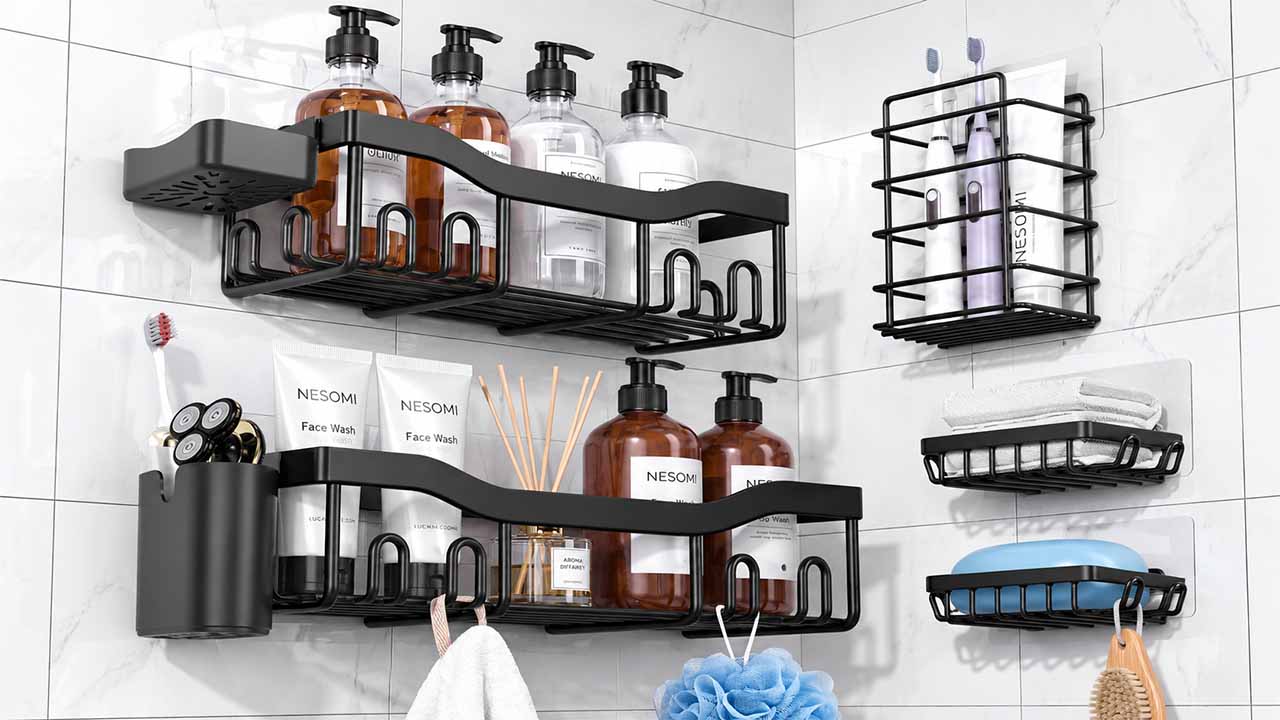
7-pack Shower Caddy Adhesive,stainless Steel Shower Organizer Shelf

A simple routine can actually remind us to keep our lives balanced. We work to earn a living, then make time to worship and draw closer to the Creator. In between, there is time for family, helping others, learning, and doing meaningful things. With this perspective, work no longer becomes the center of our entire existence. We work because there are responsibilities that need to be fulfilled, but we also understand that work is not the final destination. There is something greater than simply earning an income and buying the things we want.
Rest Is Also Part of Life
Sometimes we become so busy chasing something that we feel guilty whenever we are not doing anything. But our bodies also deserve time to rest. Getting enough sleep, sitting quietly after work, enjoying a simple meal, talking with family, or simply enjoying the atmosphere at home are not wasted moments. We do not have to be productive every second of the day. By resting, we are actually taking care of ourselves so that we can continue carrying out our responsibilities properly. In this sense, minimalism is not only about reducing the number of things we own, but also about reducing the pressure to constantly do more than what is actually necessary.
Living With Enough Does Not Mean Living With Less
There is a big difference between living simply and living in deprivation. Living simply means knowing what we truly need and what comes only from temporary desires. We can still have a comfortable home, a good smartphone, decent clothes, a vehicle, or enjoy things that we love. However, none of these things have to become the measure of our happiness. When we begin to say, “This is enough,” some of the burden slowly disappears. We no longer feel that we have to follow every trend, buy every new product, or compare our lives with other people. That is where gratitude can begin to grow in a more meaningful way.
Maybe We Just Need to Return to What Is Simple
In the end, life may not actually be as complicated as we often imagine. We work to earn a living, fulfill our responsibilities, worship the Creator, maintain relationships with the people we love, and then rest so we can face another day. In between all of this, we learn to be grateful and make the best use of what we have been given. The problem is that we often add too many things to our lives until we forget what truly matters. Perhaps minimalism is not about creating an empty life, but about removing what is unnecessary so that the purpose of life becomes clear again. Because in the end, life is not about how much we manage to accumulate, but about how we live with what we have been given.
DISCUSS

RELATED POST