From “Must-Have” to “Do I Really Need It?”

minimalis.my.id - Have you ever seen something on the internet and then, a few minutes later, felt like you had to own it too? I used to experience this quite often. At first, I was just browsing social media or online marketplaces without any intention of buying anything. But after seeing the same item appear again and again, along with people talking about how useful it was, I slowly started thinking, “Maybe I need this.” But when I thought about it again, I had actually been doing just fine without it.
I started to realize that not everything I wanted to buy was something I really needed. There were some things that ended up sitting unused because after buying them, I realized they were not as useful as I had imagined. Experiences like these made me more careful whenever I saw something interesting. It does not mean I stopped buying things, but now I try to tell the difference between something I truly need and something that simply looks attractive at the moment.
When Wanting Something Feels Like Needing It
There is a simple difference between needing something and feeling like you must have it. When a laptop breaks and you cannot work without a replacement, buying a new device makes sense. The same goes for everyday shoes that are already completely worn out. But the situation is different when we buy new shoes just because the latest model is popular, even though we still have several pairs at home that are rarely used. I once experienced something similar when I saw an accessory for my desk. It looked nice, and many people were using it. I started imagining that my desk would look neater if I had one too. That was when I started wanting to buy it. But after looking at my own desk, I realized that I already had something that served almost the same purpose.
What almost made me buy it was not because I really needed the extra function, but because I was imagining the final result. I imagined a better-looking desk, a more comfortable working environment, and the satisfaction of receiving something new. After thinking about it for a few days, I decided not to buy it. A few weeks later, I realized I was no longer thinking much about it. From that small experience, I learned that a desire can feel very strong when it first appears. It can make us feel like we need something right now. But sometimes that feeling only lasts for a short time. If we give ourselves some space, we can see things more clearly and reasonably.
Social Media Keeps Changing Our Standards
I have also noticed how social media can change the way we see things. When I see someone using the latest gadget, having a very neat desk, or owning attractive home accessories, I sometimes start comparing them with what I have without even realizing it. At first, I am just looking. But after seeing similar content several times, I start feeling like something might be missing from my own life. Even though there was no problem before. My laptop still works well. My desk can still be used. My smartphone still handles everything I need every day. But because I keep seeing new things, something that once felt good enough can suddenly start to feel ordinary.
For me, this is one of the hardest parts of living simply in today's world. We are not only surrounded by things in stores, but also by thousands of images of other people's lives every day. What we repeatedly see can slowly influence our own standards. If we use every trend as a standard, our wish list will never end. Once we finally get one thing, another version appears. A new model arrives, new features are added, the design is updated, and then our attention moves again. Eventually, we are no longer buying because we need something, but because we feel like we are falling behind if we do not follow the changes.
A Discount Does Not Always Mean Saving Money
One of the most common shopping traps is thinking that a low price is an opportunity that must be taken immediately. But money still leaves your wallet, no matter how big the discount is. An item that costs $10 but is not needed is still an expense when you buy it just because it is on sale. I have fallen into this situation myself. At the time, I saw an item that I did not really need, but it was being offered at a discount. The price looked much cheaper than usual. My first thought was, “If I don't buy it now, the price might go back up later.” So I bought it.
The problem was that after the item arrived, I did not use it right away. Days turned into weeks, and the item spent more time in storage than being used. That was when I started asking myself, did I actually save money, or did I spend money on something that was not very important? Since then, I have tried to look at discounts differently. If an item is already on my list of things I want to buy and its price happens to go down, then it can be a good opportunity. But if I never felt like I needed it before, a discount is not a good enough reason for me to buy it. So now I prefer to ask myself, “If this item were not on sale, would I still want to buy it?” If the answer is no, I usually choose to skip it. It turns out that this simple question helps me avoid purchases that only happen because I see the word “sale.”
Learning to Wait Before Buying
One habit that has helped me quite a lot is giving myself some time before buying. If there is something I want but do not urgently need, I usually do not check out immediately. I leave it for a few days. Sometimes I put it on a list or in my shopping cart, then look at it again when I am no longer caught up in the excitement. Quite often, I find that the desire to buy it becomes weaker after a few days. Some things I still buy because I really need them. Others I remove from the list because after thinking about them again, I realize that the benefits are not worth the price.
In my experience, this simple waiting period is much more effective than forcing myself to stop buying anything at all. I can still enjoy choosing products, reading information, and comparing options, but I do not make a decision immediately when I am too excited about something. Especially for expensive items, I think there is nothing wrong with giving yourself more time. Sometimes we really do need something, but we do not have to buy it on the same day. By waiting, we have a chance to compare options, look at our financial situation, and make sure the decision really matches our needs.
Ask Yourself These Simple Questions
Before buying something, you do not need to make a complicated analysis. A few simple questions can already help you see the situation more clearly. I started using some of these questions after buying several things that ended up being rarely used.
- Do I really need this item in my daily activities?
- Do I already own something that can do the same job?
- If nobody else owned it, would I still want it?
- Am I buying it because I need it or because I am afraid of missing out on a trend?
- How often will I actually use this item?
- Will this expense interfere with more important needs?
- How will I feel about this purchase one month from now?
Not every question has to lead to the answer “don't buy it.” The goal is simply to make the decision more conscious. If after thinking about it you still believe the item will be useful, then go ahead and buy it. At least the decision comes from your own consideration, not simply because other people are talking about it.
Minimalism Does Not Mean Rejecting Every Desire
There is an idea that living a minimalist lifestyle means stopping shopping or owning only a very small number of things. In my opinion, that understanding is too narrow. Minimalism becomes more interesting when we see it as the ability to decide what deserves a place in our lives. You can still buy a camera because photography is your hobby. You can buy a comfortable office chair because you spend a lot of time in front of a computer. You can also own more clothes if your work or activities require them. The number of things you own is not the only measure. What matters more is the relationship between those things and the life of the person who owns them.
Recent Product
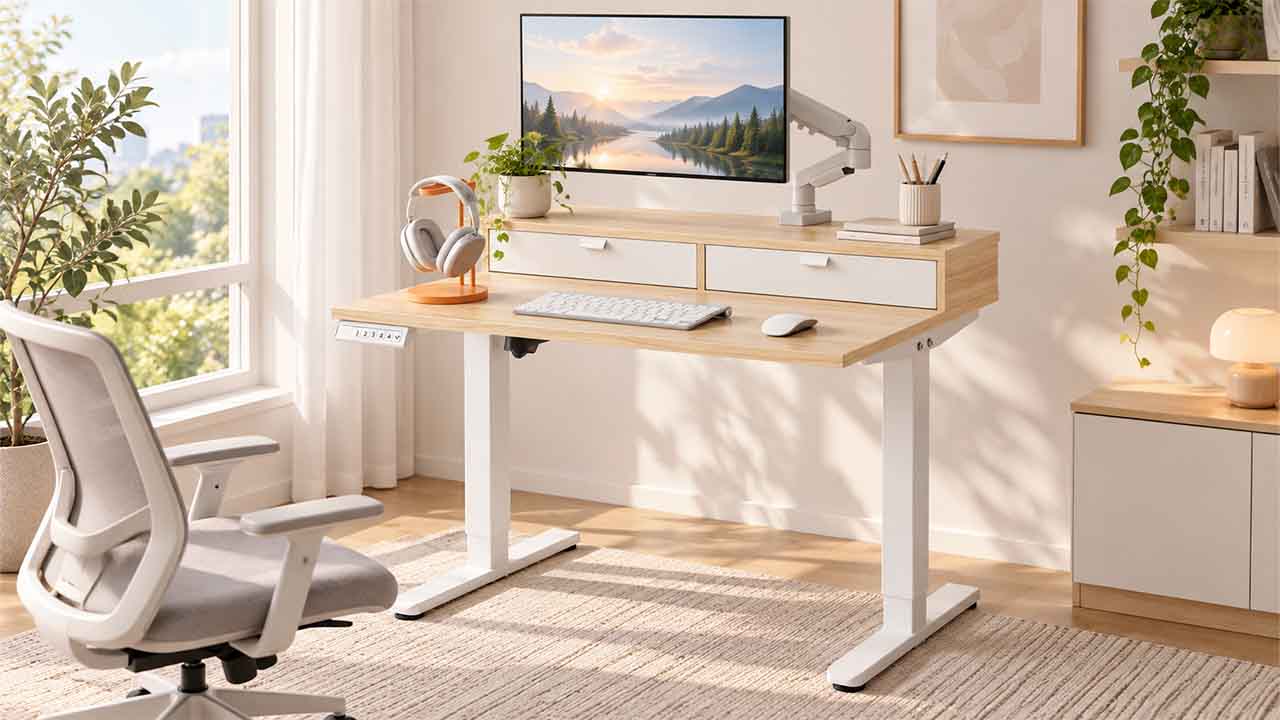
Huanuo 32x 21 Electric Standing Desk With 2 Drawers, C-clamp Mount Compatible, Height Adjustable Computer Desk, Home Office Stand Up Desk With 4 Preset Heights & 2 Hooks, Light Walnut
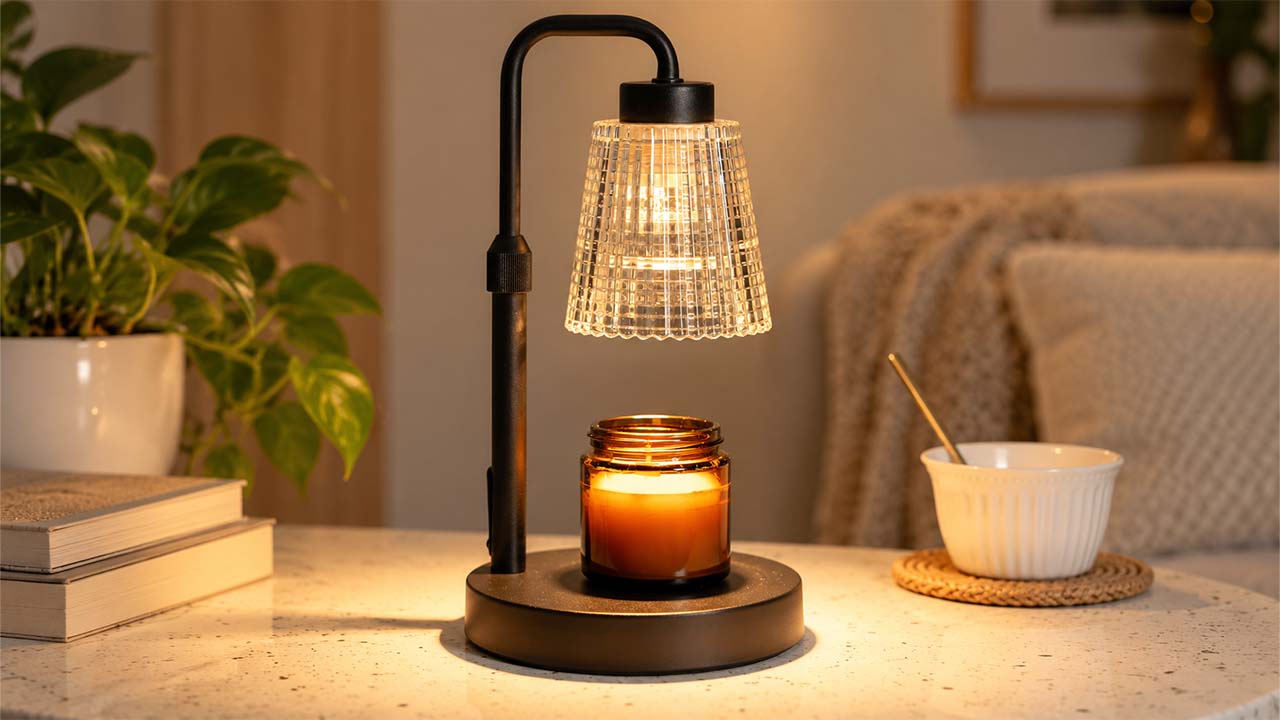
Godonlif Candle Warmer Lamp With Timer, Birthday Gifts For Women Home Decor
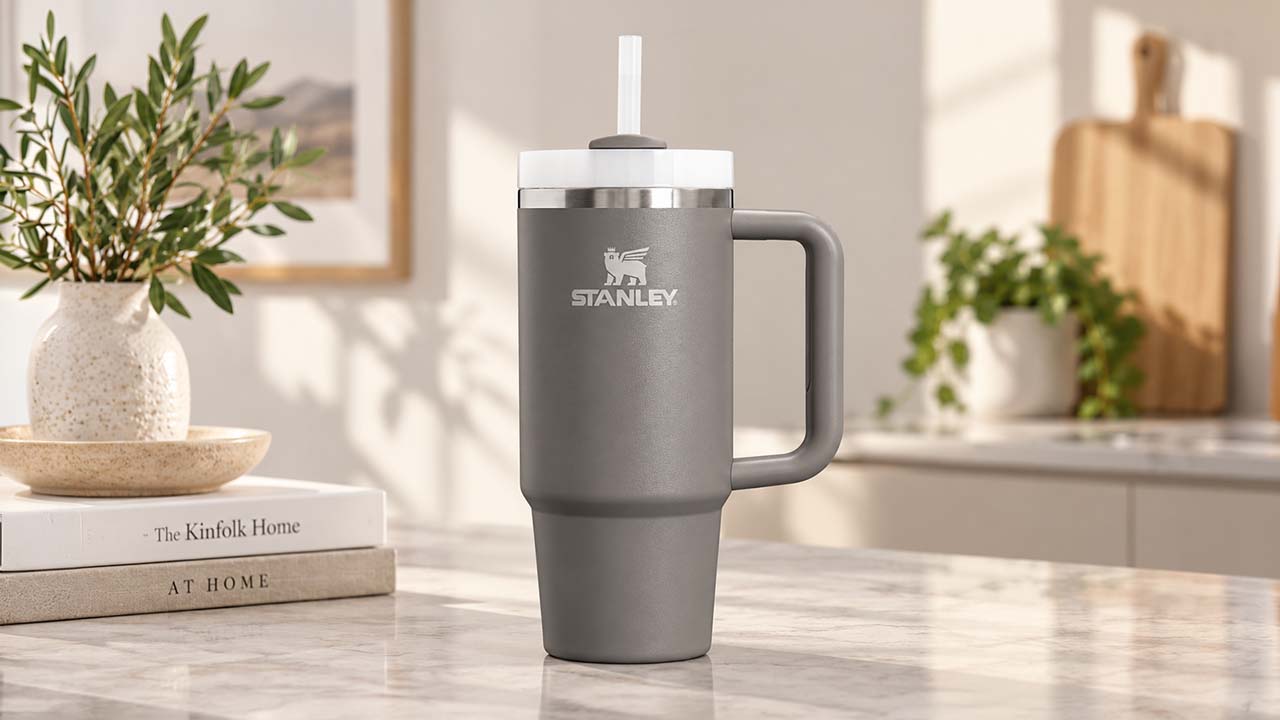
For me, minimalism is not about making my home look empty. I still have things that I like and use often. The difference is that now I ask myself more often whether an item really provides value or is simply attractive when I first see it. Things that are frequently used and clearly useful can have much more value than expensive items that simply sit unused in a corner of the house. That is why minimalism is not a competition to own the fewest things. It is more like a process of sorting: what truly helps, what only takes up space, and what we have been buying to meet other people's expectations.
You Do Not Have to Follow Every Trend
Trends will always change. Today something is considered a must-have, and a few months later people's attention moves to another product. If we keep chasing those changes, it will never feel finished. There is always a newer, prettier, faster, or more popular version. I still look at trends today. I can still be interested in a new gadget, a popular home design, or something that suddenly becomes widely talked about. The difference is that I no longer feel like everything has to become part of my life.
I have started to accept that something can look great without having to become mine. For me, this is one of the most enjoyable forms of freedom. We can admire a product, watch its reviews, and even understand why so many people like it, while still saying, “It's nice, but I don't need it.” That sentence is simple, but the more often we use it, the easier it becomes not to get carried away by changing trends. We do not need to prove anything to other people through the things we own. Daily life continues even when we do not have everything that is currently popular.
A Sense of Enough Does Not Come from New Things
From these experiences, I have started to realize that buying something can certainly make us feel happy, but that feeling does not always last. There is a certain excitement when a package arrives and a new item is finally in our hands. But after some time, that item simply becomes a normal part of everyday life. If we answer every feeling of boredom by buying something, we can slowly develop a habit that never ends. After owning one thing, another desire appears. Then a newer version comes along. We keep moving from one desire to another without really stopping to enjoy what we already have.
Now I try to enjoy the things I already own for longer. If something still works well, I do not feel the need to replace it just because a newer version exists. If something helps me with my work, I actually want to make the most of it before thinking about a replacement. Maybe this is the part of minimalism that feels most meaningful in everyday life. It is not simply about getting rid of things, but about changing our relationship with the things we own. We no longer see objects as things that must constantly increase. We start seeing them as tools that are supposed to make life better.
Start with the Things You Already Have at Home
If you want to try a simpler way of living, you do not have to start with a major decluttering project. Take a look at the things you already have. Notice which items you use most often, which ones you almost never touch, and which ones you keep simply because you feel bad about getting rid of them. From there, we can learn something simple: many things we thought were important when we bought them did not actually have much impact on our lives after we owned them. That awareness can become useful the next time we see something new that catches our attention.
I have looked at some things that had not been used for a long time and asked myself, “Why did I buy this?” It does not mean the item was bad. At the time, it may really have seemed useful. It is just that our needs change, our habits change, or perhaps we simply overestimated its value back then. I think experiences like this are actually useful. We can learn from the things we have already bought. Every item that rarely gets used can tell us something about our own shopping habits. From there, we can become better at recognizing the same mistakes before repeating them. Before saying “I have to have this,” try changing the sentence to “Do I really need this?” This small change in the way we think can make our decisions feel different. We start buying based on the life we actually live, not the life that looks attractive on a screen.
If You Want to Understand Minimalism More Deeply
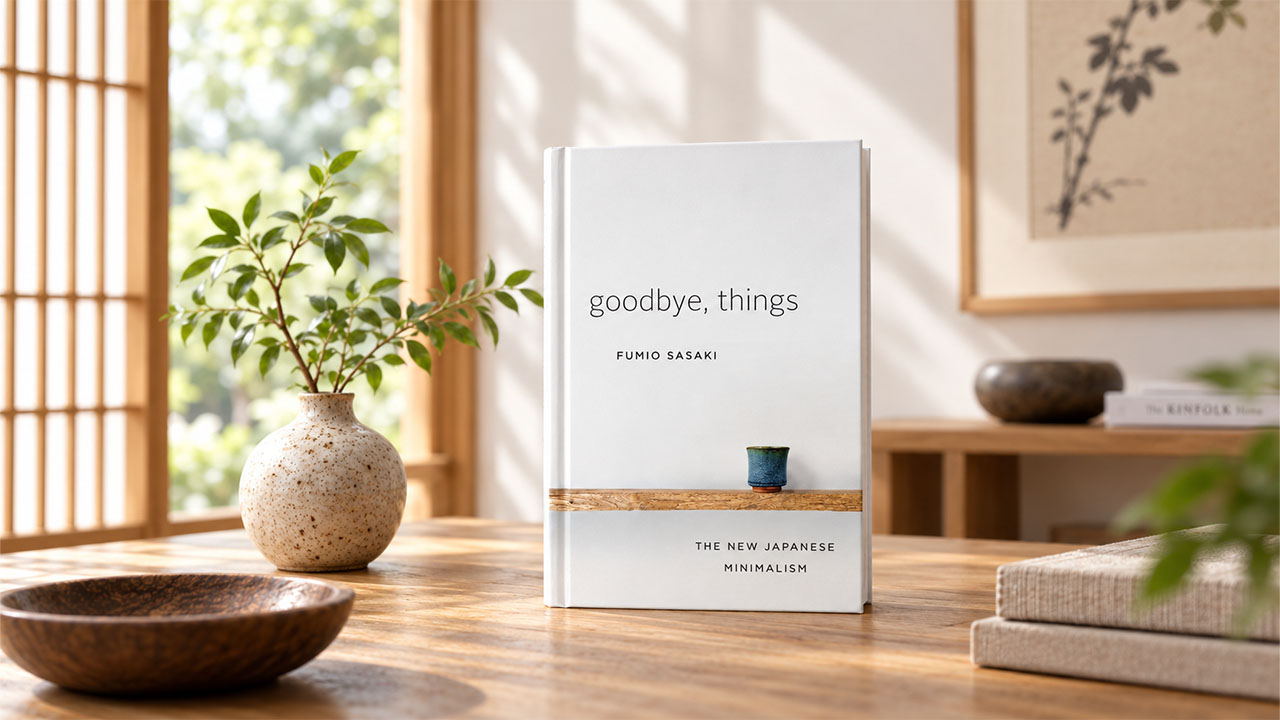
The more I think about the relationship between things and everyday life, the more interested I become in reading about other people's experiences with minimalism. One book that I find quite relevant to this topic is Goodbye, Things by Fumio Sasaki. The book is interesting because it is not simply about having a tidy home. It also discusses reducing possessions and how that change can affect the way someone lives their life. If you are trying to understand minimalism from a personal experience perspective, a book like this can be an interesting additional read.

Of course, reading a book does not mean we have to follow every method described in it. In my opinion, what matters more is taking the ideas that actually fit our own lives. Everyone has different homes, jobs, needs, and habits. Minimalism should help us find a way of living that suits us better, not make us feel like we have to follow a certain standard.
From “I Have to Have It” to “Do I Really Need It?”
In my opinion, the biggest change does not happen when the number of things in our home decreases, but when the way we think before buying starts to change. I used to think more easily, “That's nice, I want to have it.” Now I try to replace that thought with a simpler question, “Do I really need it?” Sometimes the answer is yes. If that is the case, I do not need to feel guilty about buying it. But if the answer is no, I also do not need to feel like I am missing out just because I do not own it. There are many things that look very attractive on a screen but do not have an important role in our real lives.
I do not know whether this can be called perfect minimalism, because I do not think there is one standard that works for everyone. For me, living more simply does not mean stopping shopping. I simply want to be more conscious when deciding what I allow into my life. So, if one day you see something that is trending and immediately feel like you have to own it, maybe there is nothing wrong with stopping for a moment. Look at the things you already have at home. Remember what you actually need. Think about whether the item will really be used or only provide temporary happiness. Because in the end, we cannot own everything we want. But we can choose what truly matters. And perhaps, when we become brave enough to say “I don't need this,” we are actually learning the true meaning of having enough.
DISCUSS

RELATED POST