Why Is Wyoming Making Me Curious About Minimalism in America?

minimalis.my.id - I was looking into minimalism trends in America when something caught my attention. I expected to find myself exploring places like New York, Los Angeles, or California, where lifestyle trends often get a lot of attention. But then I came across Wyoming, and it made me curious. Why was this place getting my attention while I was searching for minimalism? Was there something about its landscape or way of life that made simple living feel more appealing? I didn't want to jump to conclusions, but the question got me thinking. Maybe there is more to minimalism than clean rooms, neutral colors, and getting rid of things we don't use. Maybe the way we live and the places we live in can change how we think about what we really need.
Wyoming Made Me Think About What Simple Living Really Means
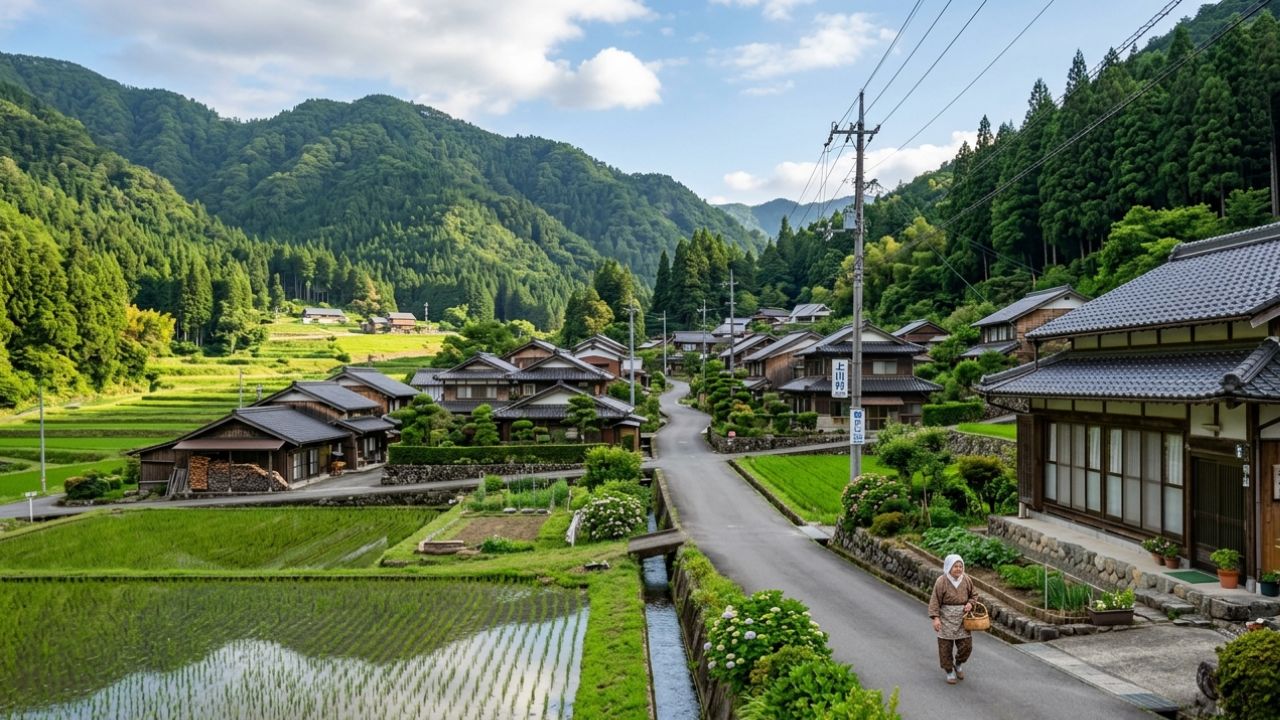
When I picture Wyoming, I imagine wide-open plains, mountains, wooden cabins, and long roads stretching into the distance. It feels very different from the busy atmosphere of a major American city. Wyoming has a relatively small population spread across a large area, which gives much of the state a sense of space and openness. When I think about living somewhere like that, I can see why the idea of a simpler lifestyle feels interesting. Instead of being surrounded by crowded streets, shopping centers, and constant activity, you can imagine a life that feels more connected to nature and less centered on buying things.
Of course, I can't say that everyone in Wyoming loves minimalism or that people there prefer it more than people in other states. I haven't found enough evidence to make that claim. Still, Wyoming gives me an interesting way to explore how our surroundings can influence the way we think about our homes, possessions, and free time. That's what makes this topic worth exploring. Minimalism doesn't have to start with a desire to follow an interior design trend or throw away half the things in your house. Sometimes, it starts with noticing a different way of living and asking yourself whether some of those ideas could make your own life better.
When Owning Less Starts to Make Sense
There is something I often think about when discussing minimalism: we don't always need more stuff to enjoy our lives. Imagine living in a home with a mountain view, a small porch where you can sit in the morning, and fresh air just outside your door. In that situation, what would make your day better? Maybe it wouldn't be another expensive decoration, a bigger television, or the latest gadget. It might simply be a good cup of coffee, a comfortable chair, and enough free time to enjoy the world around you.
Real life, of course, isn't that simple. People in Wyoming still have jobs, family responsibilities, bills, and everyday problems. But this kind of picture helps me understand an important idea: happiness doesn't automatically increase with the number of things we own. We can have a house full of possessions and still feel overwhelmed by the mess. On the other hand, a home with fewer unnecessary items can feel more comfortable and easier to maintain. To me, minimalism becomes meaningful when we start asking what each item actually adds to our lives, rather than counting how many things we can get rid of.
Nature Reminds Us That Not Every Space Needs to Be Filled
One thing that interests me about Wyoming is its open landscape. When I look at pictures of its mountains and grasslands, I'm reminded that beauty doesn't always come from having more. A natural landscape can be beautiful because of the open space between the hills, trees, sky, and distant roads. Nothing needs to fill every corner. I think the same idea can work inside our homes. We don't need to cover every wall with artwork, fill every shelf with decorations, or place something in every empty corner of a room.
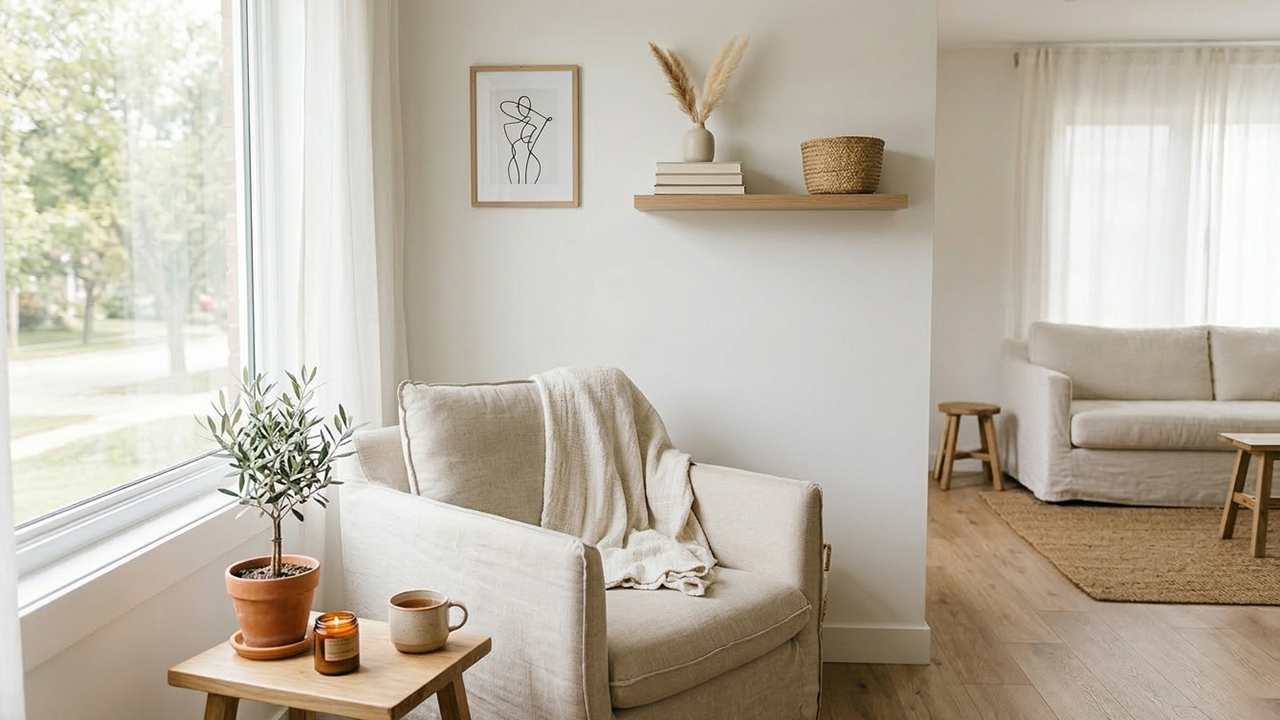
Personally, I think empty space is something we often underestimate. When we see an unused area in our homes, we sometimes feel the urge to put something there. We buy a shelf because a corner looks empty, add decorations because a wall feels too plain, or get another table because the room seems incomplete. But what if that space doesn't need anything at all? Leaving it empty can make a room feel bigger, calmer, and easier to clean. For me, this is one of the most interesting lessons we can take from the idea of living closer to nature: just because we have room for something doesn't mean we need to fill it.
Recent Product
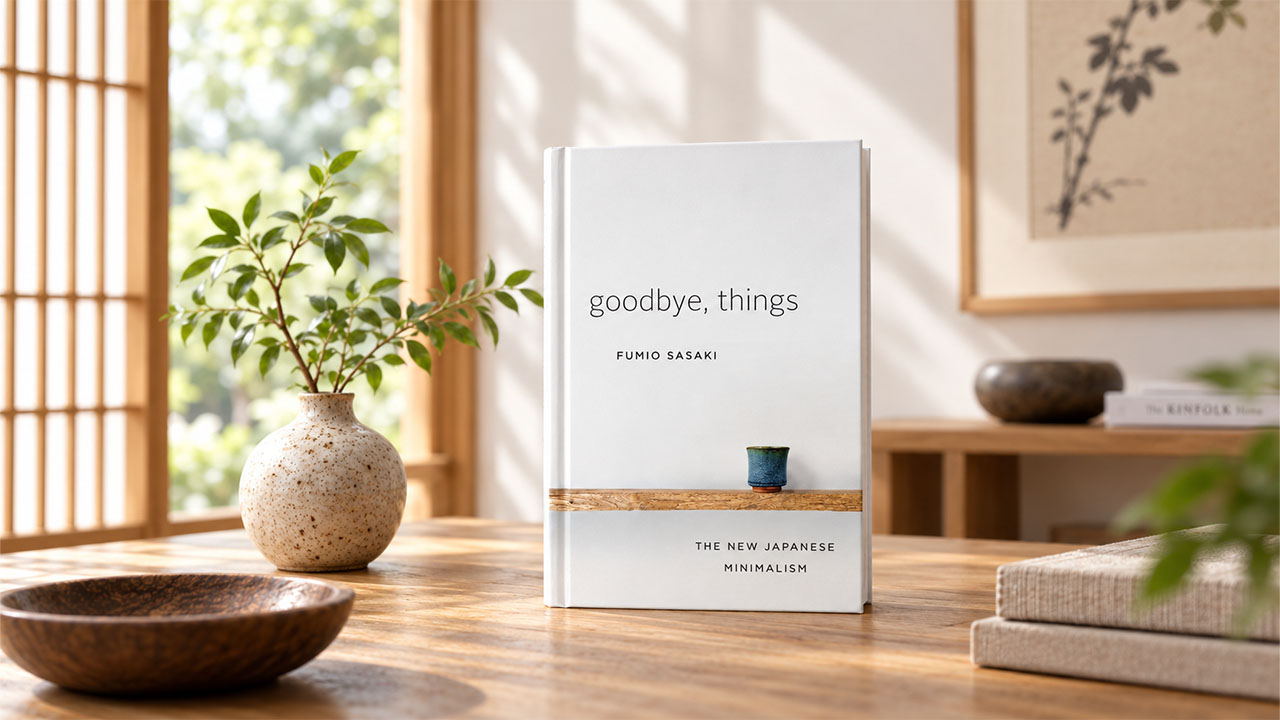
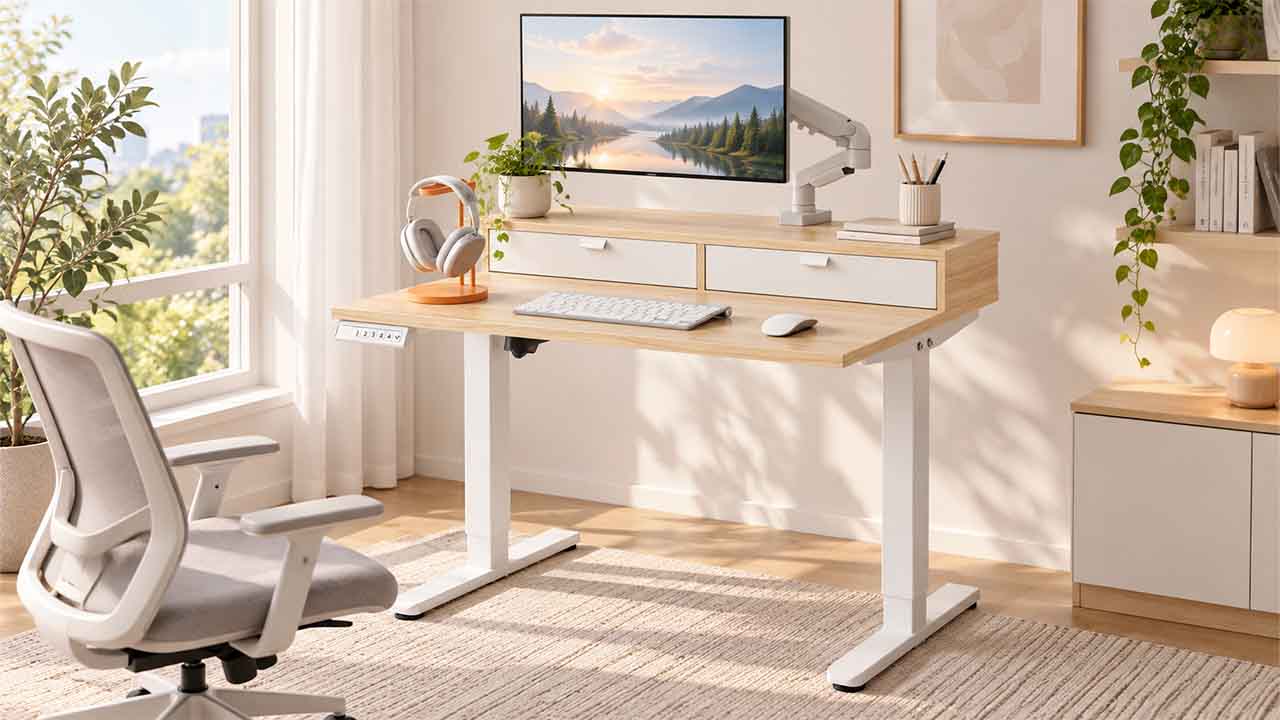
Huanuo 32x 21 Electric Standing Desk With 2 Drawers, C-clamp Mount Compatible, Height Adjustable Computer Desk, Home Office Stand Up Desk With 4 Preset Heights & 2 Hooks, Light Walnut
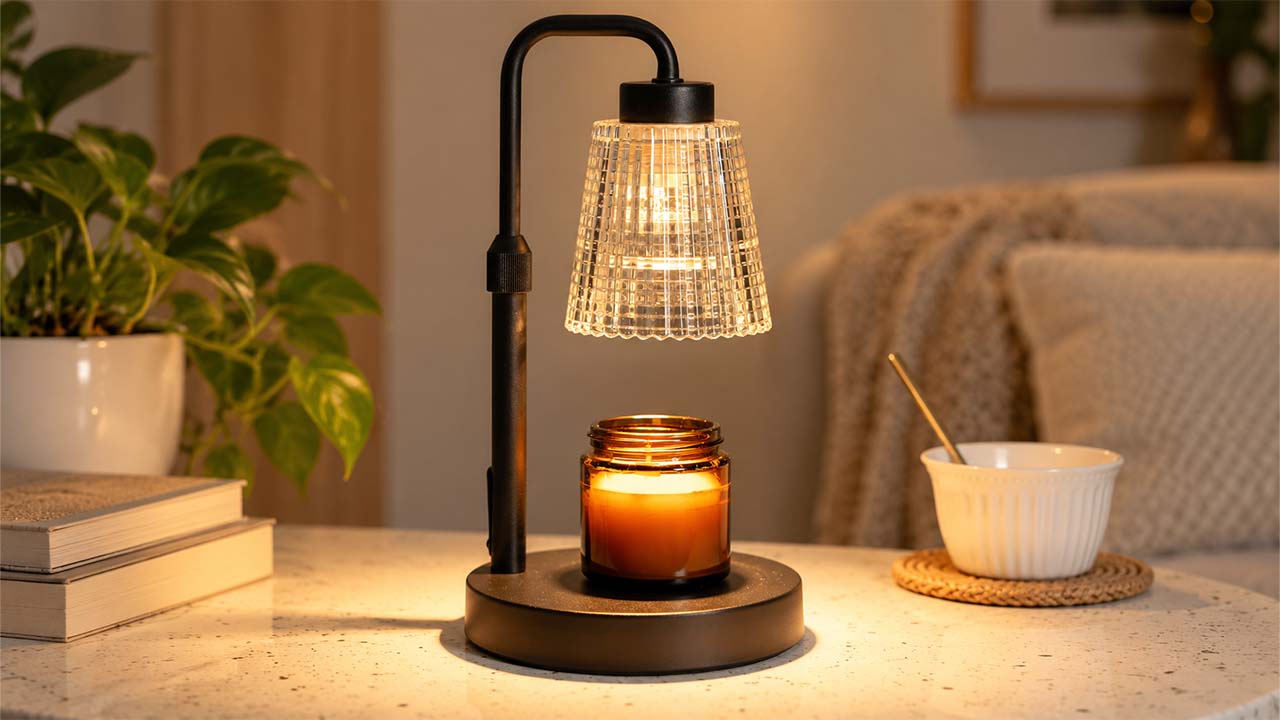
Godonlif Candle Warmer Lamp With Timer, Birthday Gifts For Women Home Decor
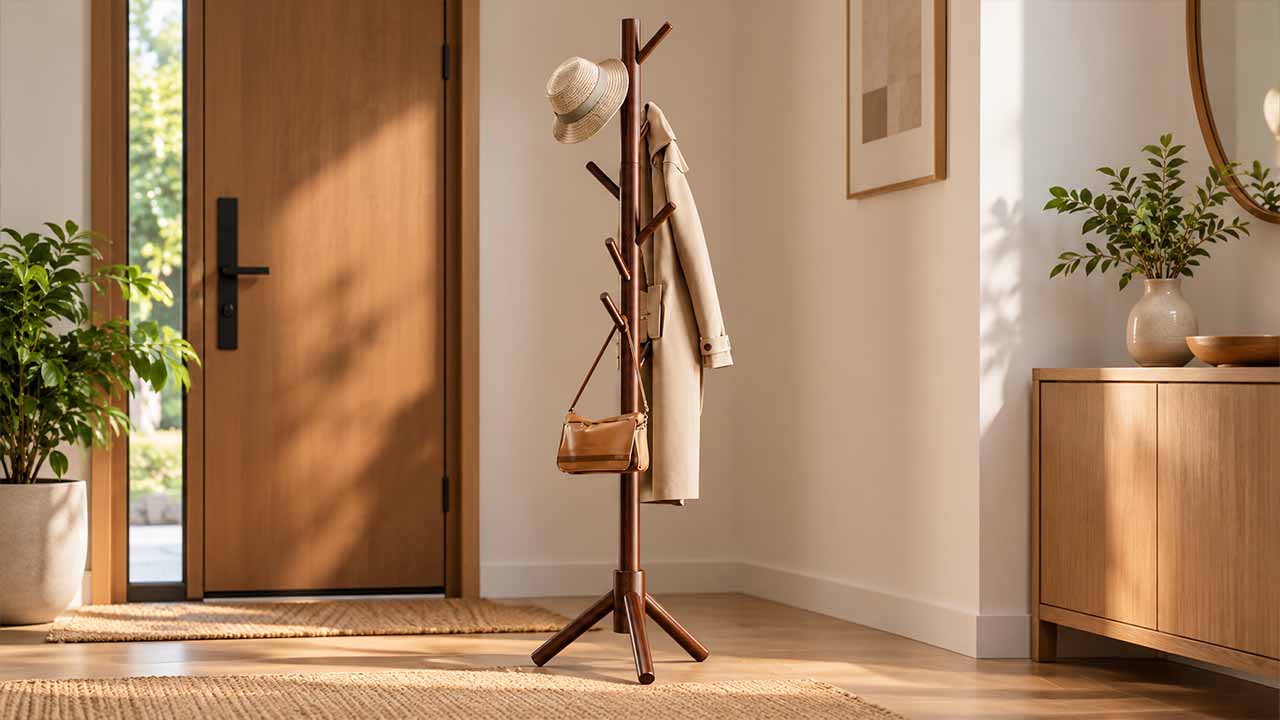
You Don't Need a Wooden Cabin to Live Minimally
When looking for minimalist inspiration from Wyoming, it's easy to picture a wooden cabin with simple furniture, large windows, natural colors, and beautiful mountain views. That style certainly looks appealing, but I think there is a difference between minimalist interior design and a minimalist lifestyle. You don't need to live in a cabin, move to the countryside, or replace all your furniture to practice minimalism. Someone living in a small apartment in the middle of a busy city can live just as intentionally by choosing what they truly need and avoiding purchases made simply because something is popular.
For example, you could start with your desk. Keep your monitor, keyboard, mouse, and the other items you actually use every day. If you want a little decoration, add a small plant that suits the space. You can apply the same idea to your wardrobe, kitchen, and living room. You don't have to throw away half your belongings overnight. Just take a look at what you use regularly, what has been sitting untouched for months, and what you bought on impulse. Small changes like these might not seem life-changing at first, but they can make cleaning easier and reduce the time you spend organizing things that don't serve much of a purpose.
Maybe We Don't Need More Things. Maybe We Need More Time.
Another reason Wyoming makes me think about minimalism is the connection between its landscape and outdoor activities. It makes me wonder how we might spend our time if we weren't always looking for the next thing to buy. Time that would normally go toward shopping, comparing products, or thinking about our next purchase could be spent walking outdoors, cooking a meal, reading a book, caring for plants, or spending time with family. This doesn't mean life in Wyoming is always peaceful or free from stress. But the idea reminds me that we have some control over how we use our time and attention.
I think one challenge of modern life is that we often assume adding something will make everything better. When we're bored, we look for something new to buy. When our home feels dull, we shop for decorations. When we see someone else with a nice product, we start wondering whether we need one too. The cycle can continue without ever making us feel completely satisfied. Minimalism offers a different approach: before adding something to your life, ask yourself whether you really need it. Maybe you don't need a new phone; maybe you need more time to rest. Maybe you don't need a bigger wardrobe; maybe you need fewer clothes that are easier to choose from. And maybe you don't need a more crowded home; you just need a space that feels better to live in.
What Can We Learn From This Curiosity?
My search for minimalism trends in America started with curiosity about Wyoming. But the more I thought about the relationship between our surroundings, our homes, and our lifestyles, the more I realized that minimalism doesn't belong to one particular place. We can find inspiration in a simple country home, a small city apartment, or even a desk that we finally decide to clear after months of clutter. Where we live can influence our habits, but we still have the freedom to decide what deserves a place in our lives.
If you want to try minimalism, I don't think you need to wait until you have a beautiful home overlooking the mountains. Start with something close to you. Clear one desk, stop buying things you don't need, or make time for an activity that doesn't involve spending money. Pay attention to whether these changes make your everyday life feel more comfortable. The goal isn't to create a perfect-looking home for social media. It's to build a lifestyle that feels easier, calmer, and more meaningful to you.
In the end, I can't say that people in Wyoming are especially passionate about minimalism based on my search alone. But Wyoming has given me an interesting perspective on the connection between simplicity and quality of life. We don't always need more to make our lives better. Sometimes, we just need to remove the things that don't matter so we have more room for the things that do. What do you think? Is it easier to embrace a simpler lifestyle when you live close to nature, or can minimalism work just as well in the middle of a busy city?
DISCUSS

RELATED POST